Techsoma Homepage
  • Policy & Regulations
  • Artificial Intelligence
  • Reports
  • Policy & Regulations
  • Artificial Intelligence
  • Reports
Home Logistics & Mobility Tech

What Bolt Drivers in Lagos Really Earn Each Month

by Covenant Aladenola
August 20, 2025
in Logistics & Mobility Tech
Reading Time: 3 mins read
Techsoma Africa

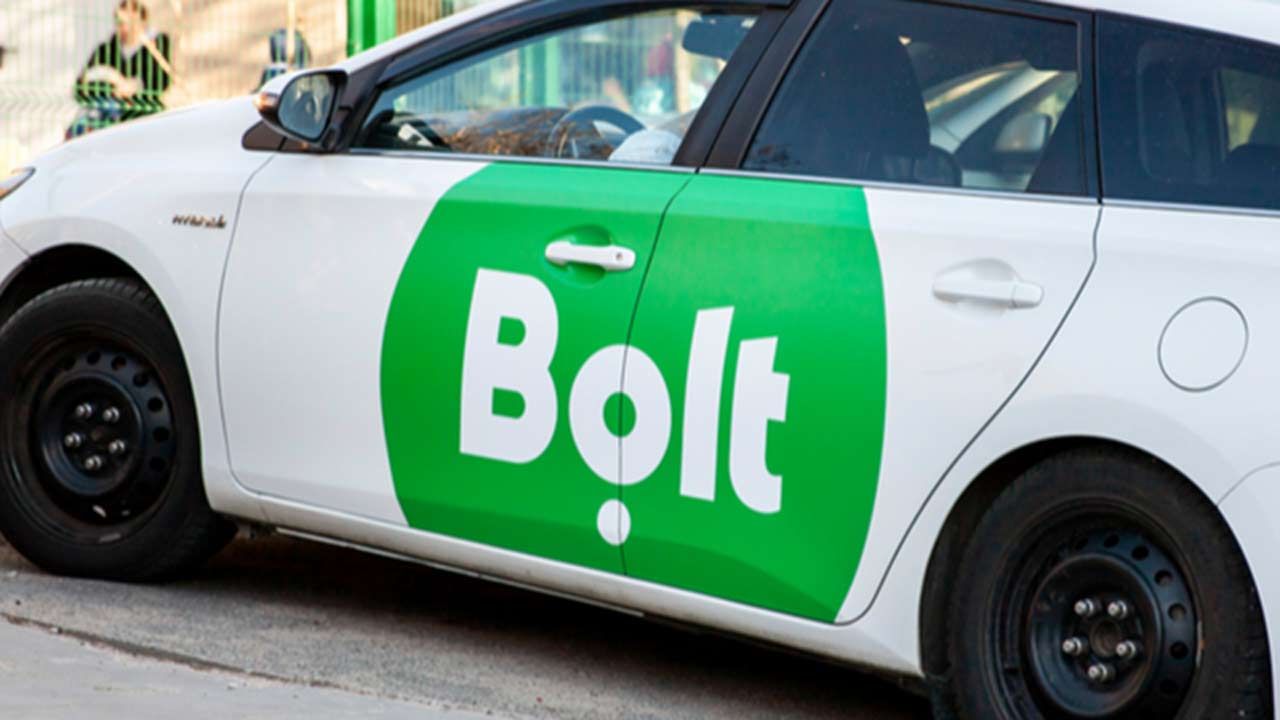
I was on a work trip to Lagos, Nigeria, and like many visitors, I booked a Bolt from the Mainland to the Island. Along the way, I struck up a conversation with the driver that revealed the economics of ride-hailing in Africa’s largest city.

He told me he juggles Bolt with a full-time office job. His routine runs from Sunday to Saturday, with no day off. In his words, driving is not a side hustle anymore, it is survival.

Navigating Lagos with Google Maps

Traffic in Lagos is legendary. When asked how he avoids gridlock, he smiled. “I use Google Maps more than the Bolt app. The colours guide me, red means no movement, blue is perfect, black is slow traffic.”

It was a reminder that even in a tech-enabled platform, drivers often turn to third-party tools for accuracy.

The Economics of a Month on the Road

Then came the numbers. On a good day, after paying for fuel and commissions, he takes home between ₦12,000 and ₦15,000. Multiply that by six days of active driving, and his monthly income from Bolt averages ₦250,000 to ₦350,000.

But the picture changes quickly when fuel costs spike. With petrol at ₦895 per litre, he says some weeks his profit shrinks by half. After factoring in car maintenance, road levies, and occasional fines from traffic agencies, his effective take-home can dip as low as ₦180,000 a month.

For context, Nigeria’s new minimum wage is pegged at ₦70,000, which means a full-time Bolt driver can earn up to four times the statutory minimum. Yet, the volatility of fuel and the stress of Lagos roads mean the margin is thinner than it looks.

Isolation Instead of Community

Unlike other gig workers who form support groups, he avoids WhatsApp and Telegram driver circles. “Most drivers won’t connect you to customers. They prefer to keep the work for themselves,” he explained. This leaves many drivers navigating not just traffic, but also the business alone.

Challenges Beyond the App

When asked about his biggest daily struggles, his list was long: “LASTMA, road safety, police, and bad roads.” Technology solves navigation, but it cannot shield drivers from the physical and regulatory friction of operating in Nigeria’s biggest city.

Editor’s Note

Ride-hailing remains a lifeline for thousands of Nigerians. The earnings can look attractive on paper, but hidden costs and the sheer grind erode that advantage.

For Lagos drivers, every kilometre is a calculation between fuel prices, app commissions, and road hazards. Technology enables survival, but resilience powers the rest.

Forward-looking insight: As electric vehicles and more efficient mapping tools slowly enter African markets, the real question is whether platforms like Bolt can create a system where drivers keep more of their income, instead of losing it to fuel pumps and broken roads.


Covenant Aladenola

Covenant Aladenola

Covenant Aladenola is part of Techsoma’s senior editorial team, where he helps shape the publication’s storytelling direction and editorial strategy...

Recommended For You

Amazon Logistics Truck
Logistics & Mobility Tech

Amazon Opens Its Logistics Network to All Businesses Worldwide

by Kingsley Okeke
May 4, 2026

Amazon has long been the quiet backbone of global e-commerce logistics. Now, it is making that backbone available to the world. The company on Monday announced the launch of Amazon...

Read moreDetails
Safer food packaging on sealed meal bags and containers ready for delivery

How Safer Food Packaging Can Help Vendors and Delivery Apps Win Back Trust

May 4, 2026
Techsoma Africa

Kenya to Set Prices for Uber and Bolt Rides

March 19, 2026
Spiro Raises $50 million

Spiro Secures $50 Million To Expand Africa’s Battery Swapping Infrastructure

February 26, 2026
Techsoma Africa

Zambia Online Passport Application System Launches on ZamPortal

December 17, 2025
Next Post
Techsoma Africa

Nigeria’s Money Habits in 2025: Fintech Tools, Spending Gaps, and the Push for Discipline

Techsoma Africa

Google, Microsoft, TikTok Lead Efforts in Tackling Online Harms with NITDA Nigeria

Leave a Reply Cancel reply

Your email address will not be published. Required fields are marked *

Subscribe to our Newsletter

Recent News

Director General of NITDA

NITDA and Galaxy Backbone Open Sovereign Cloud Access to Nigerian Startups

May 4, 2026
Amazon Logistics Truck

Amazon Opens Its Logistics Network to All Businesses Worldwide

May 4, 2026
Safer food packaging on sealed meal bags and containers ready for delivery

How Safer Food Packaging Can Help Vendors and Delivery Apps Win Back Trust

May 4, 2026
Nigeria’s Latest Data Breach Claims

How Nigeria’s Latest Data Breach Claims Exposed a Critical Cybersecurity Coordination Gap

May 4, 2026
South Africa business regulations review and Competition Commission reform drive

South Africa Seeks Public Input on Policies Slowing Business Growth

May 4, 2026
Techsoma Africa

Techsoma Africa reports on startups, fintech, AI, digital policy, and the builders shaping Africa’s innovation economy.

Facebook X-twitter Instagram Linkedin

Company

About

Contact

Advertise

Site Map

Coverage

Startups

Fintech

Artificial Intelligence

Reports

Resources

Privacy Policy

RSS Feed

News Sitemap

Policy & Regulations

Copyright 2026 Techsoma Africa. All rights reserved.

No Result
View All Result
  • Reports
  • Policy & Regulations
  • Artificial Intelligence
  • About
  • Contact
  • Advertise

Copyright 2026 Techsoma Africa. All rights reserved.