


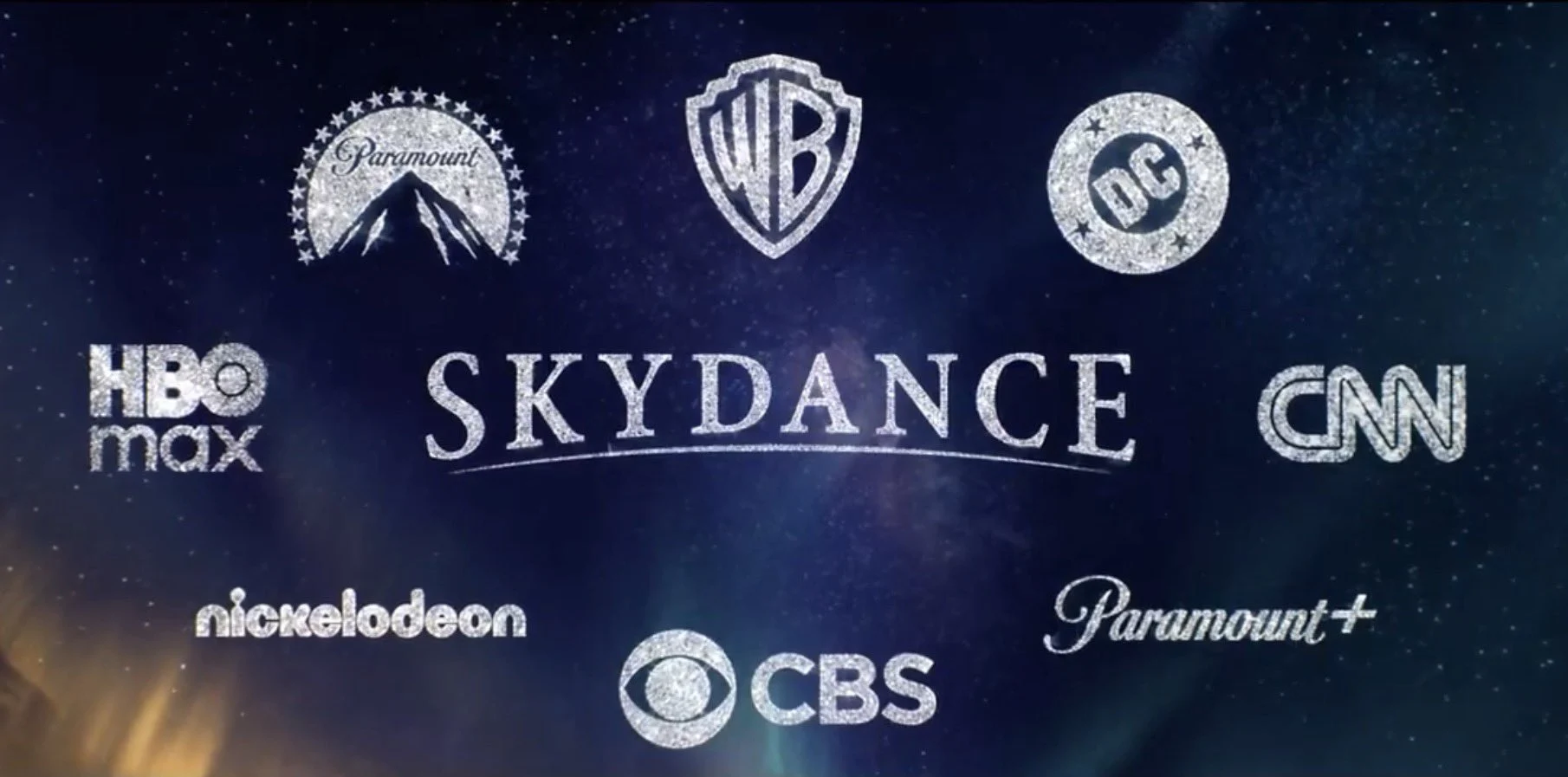
David Ellison is about to run one of the biggest entertainment companies on earth. Paramount, Skydance and Warner Bros. Discovery are expected to complete their merger on October 6, and the combined company will trade under the name Skydance.
Why the Skydance Name Matters
Ellison announced the name in his first-ever post on X. Skydance is the studio he founded two decades ago, and it now becomes the corporate umbrella. Paramount and Warner Bros. will continue as sub-brands, and Ellison says the aim is to keep their identities intact. The company also plans to change its stock ticker from PSKY to SKYD and move to the New York Stock Exchange.
The Brands Under One Roof
The combined group brings together two of Hollywood’s largest film studios, along with these brands:
- Film: Paramount Pictures, Warner Bros. and New Line Cinema
- Comics and animation: DC Studios and the Skydance production arms
- Streaming: HBO Max and Paramount+
- Television and news: CBS, CNN, HBO, MTV, TBS, Comedy Central, Food Network and Discovery channels
- Kids: Nickelodeon
The franchises are just as broad. Harry Potter, Game of Thrones, the DC Universe, Yellowstone, Mission: Impossible and Top Gun will all sit in the same portfolio.
Who Will Run It
Ellison will serve as chairman and chief executive. Ynon Kreiz, the former Mattel chief, joins as co-CEO. Warner Bros. Discovery boss David Zaslav is expected to leave once the deal closes.
What Regulators Demanded
The path was not smooth. A coalition of 12 states sued to block the deal over fears of reduced competition in cinemas and cable. A federal judge approved a settlement this week that sets conditions for five years. The company must release at least 30 theatrical films a year for two years, then 32 a year for the following three, with at least four independent releases annually. It must also raise domestic production spending and cannot sell or close the Paramount or Warner Bros. studios. A five-member board will review certain disputes involving the news operations, which is meant to protect editorial independence at CBS and CNN.
How This Reshapes Global Entertainment
The first impact is scale. Putting HBO Max and Paramount+ under one owner creates a streaming service with a very large library and subscriber base, which strengthens its hand against rivals and distributors. Expect bundles, price changes and a push to cut duplicate services.
The second is fewer buyers. Writers, producers and actors now have one less major studio to pitch to, which is why unions and some filmmakers fought the deal. Critics also point to past media mergers that led to layoffs and shelved projects.
The third is debt. The company inherits heavy borrowing, reported at around $80 billion, and will be under pressure to cut costs. Ellison has promised to avoid layoffs and keep the company in California, but investors will watch whether those promises hold once the savings targets bite.
For African and Middle Eastern markets, the effect will likely show up in licensing and streaming. A larger catalogue under one roof could mean tougher negotiations for local broadcasters and telecom partners, and possibly more investment in regional content to win subscribers. That is analysis rather than announced policy, and the company has not detailed its plans for these regions.
What to Watch Next
The real test starts after October 6. Audiences will want to see whether the studios keep their separate creative identities, whether the film release promises are met, and whether the news divisions stay independent. If Skydance delivers, it could set the template for how legacy media survives the streaming era. If it stumbles, the settlement terms will be the benchmark for criticism.