
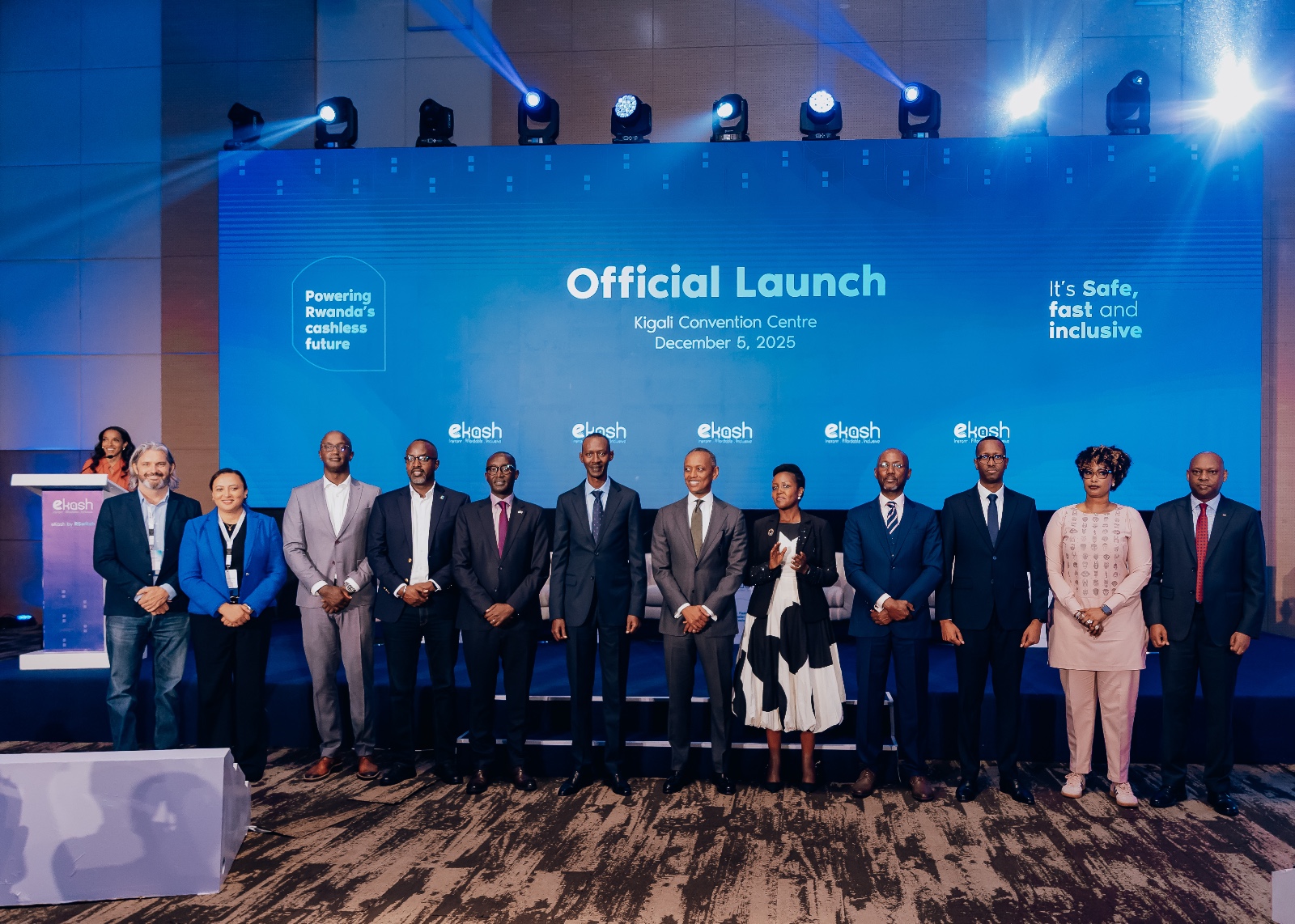
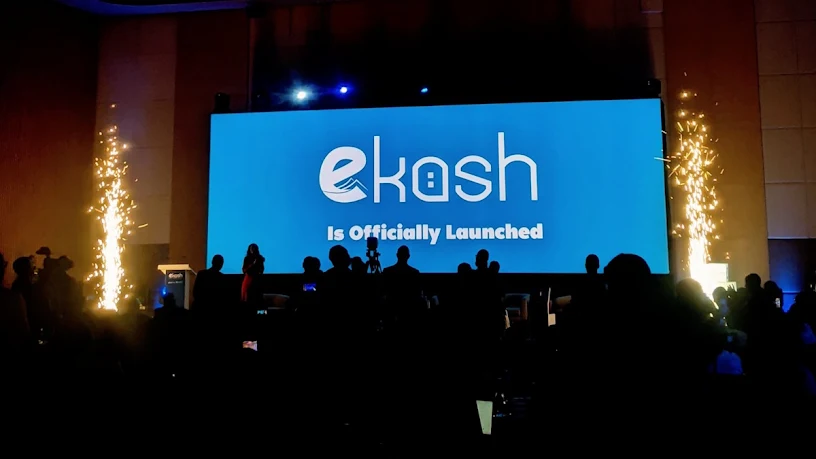
Rwanda introduced its national digital payment system, eKash, on July 14, 2026, creating a single platform for interoperable domestic retail payments between banks and mobile wallets. The system now processes bank-to-bank, wallet-to-wallet, bank-to-wallet, and wallet-to-bank transfers through one central infrastructure.
The National Bank of Rwanda completed the migration of all domestic interoperable retail payments to eKash, meaning every transfer between different financial providers now routes through a single national system rather than multiple separate connections.
One Connection Replaces Many Separate Links
Before eKash, each bank and mobile money provider had to build individual connections with every other institution they wanted to exchange payments with. A bank needed a separate technical link to each mobile network and every other bank. This made the system complex and expensive to operate.
eKash replaces that model with a single national payment switch. Participating institutions connect once to eKash and can instantly reach every other connected provider. The platform now connects 22 financial institutions, including commercial banks, MTN Mobile Money Rwanda, Airtel Money Rwanda, SACCOs and microfinance institutions.
This eliminates the delays and frustrations consumers previously faced when transacting across different providers. Financial institutions no longer need to maintain multiple bilateral integrations, saving resources they can invest in product development and customer service.
Fee Cap at 20 Francs Changes the Cost of Sending Money
The new system introduces a maximum fee of 20 Rwandan francs per person-to-person transfer between different financial institutions. The sender pays this fee, although banks and mobile money providers can charge less or offer free transfers depending on their pricing policies.
Previously, customers faced much higher charges. A Bank of Kigali customer sending between 5 million and 10 million francs to a mobile wallet would incur a 5,000 franc transaction fee. The 20-franc cap makes sending money significantly more affordable for everyone.
Merchant payments processed through eKash attract no transaction charges for customers or merchants. This removes a barrier for small business owners who previously had to absorb payment costs or pass them on to customers.
Customers can now transfer up to 10 million francs per transaction, although individual financial institutions may set lower limits based on their internal risk policies.
Citizens Use the Same Apps They Already Have
eKash is not a consumer-facing app. It is a shared national infrastructure that works behind the scenes. Customers continue using their existing banking applications, mobile money platforms, internet banking services and USSD channels.
They do not need to register for a separate eKash account, download a new application or change their existing bank or mobile money accounts. The transfer happens through the same channels they already use, making the change invisible to the end user.
To send money, users dial a USSD code or use their bank’s mobile app, enter the recipient’s phone number, input the amount and confirm with their PIN. The transfer completes in under 15 seconds regardless of which bank or mobile network either person uses.
Financial Inclusion Reaches New Levels
Rwanda already has one of Africa’s highest financial inclusion rates. According to the National Bank of Rwanda, 96 percent of adults had access to formal financial services in 2024, up from 48 percent in 2008. Mobile wallets have become the primary way adults access formal financial services, with 68.5 percent having a mobile wallet compared to 5 percent with a traditional bank account.
Despite this high access, transfers between banks and mobile money providers remained fragmented, often forcing users to rely on multiple platforms. eKash removes this barrier by connecting providers in real time, making everyday transfers easier and increasing competition among financial service providers.
The system supports the government’s vision of reducing the economy’s reliance on cash, expanding access to digital financial services and strengthening confidence in electronic payments. The platform already manages more than 21 million accounts across its connected institutions.
Local Engineers Built the System Using Open-Source Technology
Rwandan engineers built eKash using Mojaloop, an open-source software platform designed specifically for payment systems. The open-source architecture allows Rwanda to retain control over critical payment infrastructure while reducing dependence on foreign providers.
This approach supports local capacity building and empowers RSwitch and its partners to enhance interoperability and expand access to inclusive financial services. The technology eliminates vendor dependencies and allows for easier scalability and innovation.
The system is the result of collaboration between the National Bank of Rwanda, the Rwanda Information Society Authority, RSwitch, Access to Finance Rwanda and international partners including AfricaNenda, the Bill and Melinda Gates Foundation and the Mojaloop community.
Merchant Payments and Government Services Are Next
eKash has already launched person-to-merchant payments, meaning small business owners can now accept payments from any customer regardless of which bank or mobile wallet they use. Bank of Kigali and Mvend Group are the first merchant acquirers to integrate the system.
RSwitch says the next priority is integrating eKash with more government services so citizens can make payments more easily and conveniently. The system will eventually handle person-to-government and government-to-person transactions, streamlining everything from tax payments to social benefit distributions.
Rwanda is also piloting cross-border connections with Tanzania’s instant payment system, which could eventually allow instant money transfers across East Africa using the same simple process