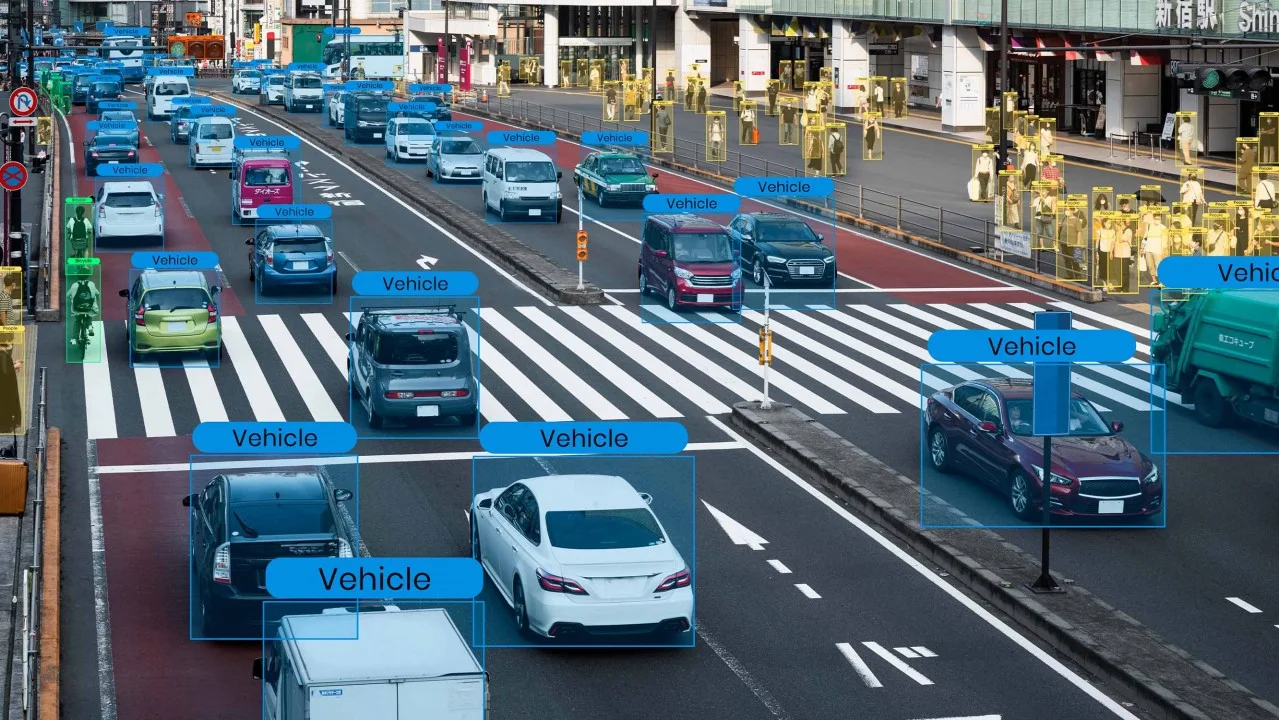
The global AI industry needs millions of hours of human input to build and refine language models. That demand has spawned a gig economy of AI training work, such as data annotation, content evaluation, and model feedback, that should, in theory, be ideal for skilled workers in countries like Nigeria. In practice, Nigerians are being systematically shut out of the most valuable platforms, and the few doors that remain open are narrow.
A Market That Promises a Lot and Delivers Selectively
Platforms like Telus Digital, Outlier AI, Appen, and Scale AI’s Remotasks collectively power the human layer of AI development for companies including OpenAI, Meta, Google, and Anthropic. The work is remote and flexible, requiring little more than a computer and a reliable internet connection. Industry estimates from Workforce Africa suggested data annotation alone could create 1.8 million jobs across the continent by 2025.
That promise has not materialised for Nigeria.
Geoblocks, Rejected Numbers, and a Black Market
For Nigerians trying to access Outlier AI (Remotasks’ higher-paying sibling platform), the barrier is not a sudden ban but a structural one. The Outlier AI app rejects Nigerian phone numbers at the point of registration, effectively blocking workers before they can even apply. The workaround circulating in Nigerian online communities involves paid VPNs and foreign SIM cards, and this is a grey-area solution that violates platform terms and creates legal risk for workers already in a precarious position.
A black market has emerged across several African countries for foreign-registered accounts on platforms like Outlier, CrowdGen, and Echolabs, with accounts from the US, Canada, and the Philippines being bought and sold in WhatsApp groups. The scale of this informal economy speaks directly to how much unmet demand exists and how little the platforms are doing to meet it.
DataAnnotation.tech, which advertises starting rates of $20 per hour for generalist AI work, is similarly inaccessible to most Nigerian applicants. The platform primarily recruits US-based workers.
What Nigerians Are Left With
Telus Digital does list Nigeria-specific roles, primarily the “AI Community Surfer” position for English-language evaluation. But Nigerian workers report that higher-value projects on the platform are rarely assigned to accounts registered in Nigeria. At the low end of the annotation market, basic crowdwork on platforms like Amazon Mechanical Turk pays $2 to $5 per hour — a figure flagged by the International Labour Organisation as a growing labour concern.
Some language-specific opportunities exist through Outlier for Yoruba and Hausa speakers, but these are limited in scope and do not represent the kind of consistent, fairly compensated work that the broader AI training economy offers workers in the Philippines, the UK, or the United States.
The Irony of Building AI Without African Workers
AI companies regularly discuss the importance of diverse training data and inclusive AI development. The language models being built on these platforms are deployed globally, including across Africa. Yet the workers contributing to those models in African countries face pay disparities, abrupt terminations, and access restrictions that workers in Western markets do not.
Much of AI annotation labour is concentrated in the Global South, where wages are lower and labour protections weaker, a dynamic that benefits AI companies economically while exposing African workers to the greatest instability.
For Nigeria, a country with a large English-speaking workforce, growing technical talent, and proven capacity for remote digital work, the current exclusion from the AI training economy is not a skills problem. It is a policy one. Until platforms treat Nigerian workers as equal contributors rather than a contingency labour pool to be tapped and dropped at will, the promise of AI-generated income for Nigerians will remain mostly theoretical.