
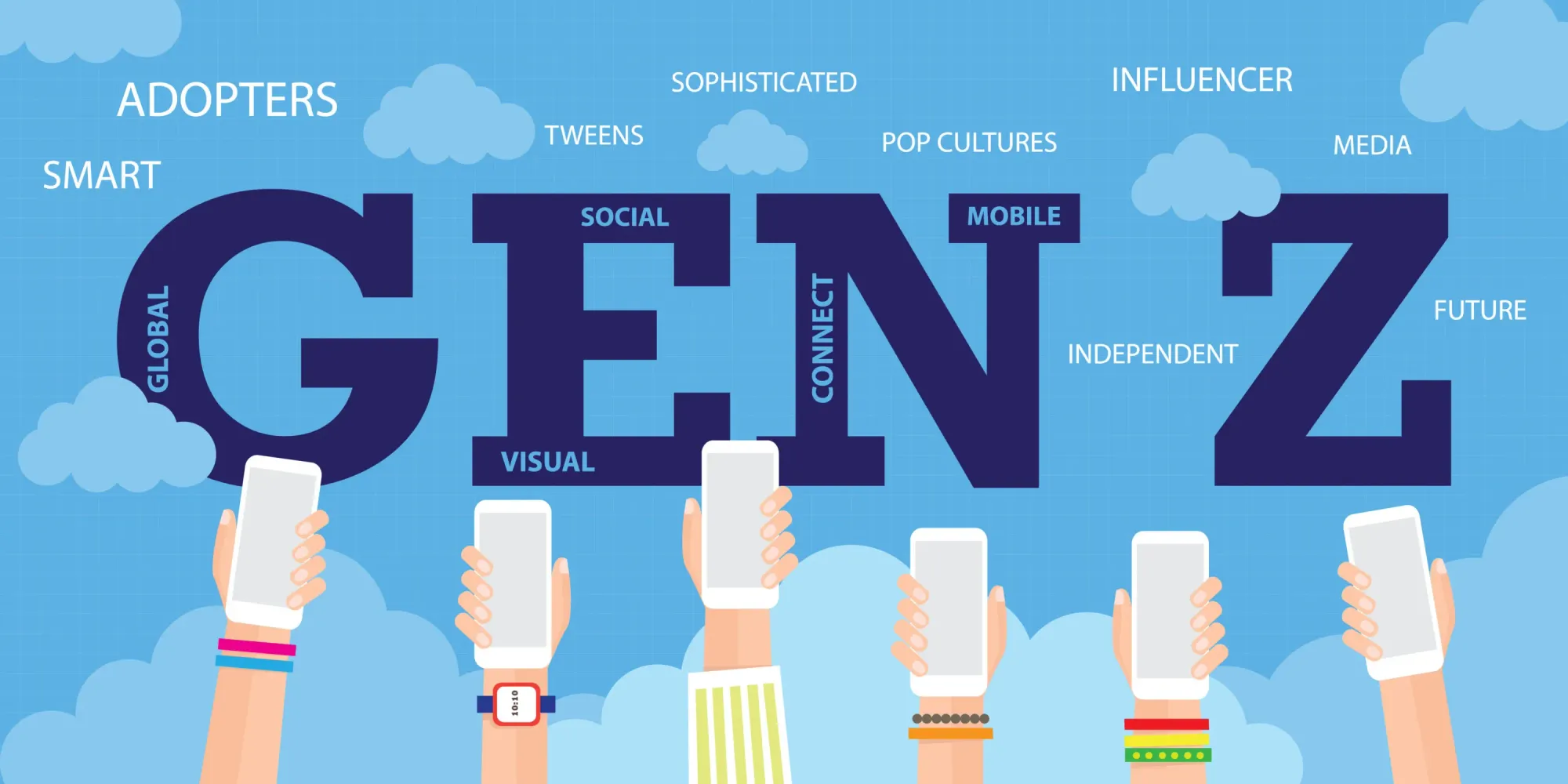
Most entrepreneurs still stick to the old rule of “build first, sell later.” But Gen Z founders are rewriting the rules so quickly that traditional business advice already feels outdated.
Gen Z entrepreneurs are reshaping how businesses are built. They use deliberate methods that give them an edge, and these are strategies older founders can adopt right away.
Here are the five unique strategies that set them apart, and how you can use them to accelerate your own business:
1. Gen Z Builds Backwards From Community Signals
Most entrepreneurs start with an idea, build a product, then hunt for customers. Gen Z founders do the opposite. They start by studying where their target audience already gathers online, then reverse-engineer products from the conversations happening there.
This is algorithm-assisted product development. They use social media analytics to identify pain points mentioned repeatedly in comments, DMs, and forums. Then they build solutions directly addressing those specific frustrations.
For example, instead of launching another productivity app, a Gen Z founder might notice hundreds of TikTok comments about college students struggling with specific study techniques. They’ll create a micro-solution for that exact problem, test it with the commenting audience, and iterate based on real feedback.
What you can copy: Start monitoring conversations in your industry’s online communities. Look for complaints that show up repeatedly across platforms. Build your next product feature around solving the most frequently mentioned problem.
2. They Use Micro-Influencer Networks as Business Intelligence
While older entrepreneurs pay expensive consultants for market research, Gen Z founders tap into micro-influencer networks (10,000-100,000 followers) as their primary business intelligence system.
Gen Z entrepreneurs build relationships with micro-influencers in their space and treat them as market researchers. They ask questions, test concepts, and get feedback before investing time or money.
Micro-influencers have authentic relationships with their followers and can predict what will resonate better than focus groups. Gen Z founders use this network to validate ideas, test messaging, and identify trends before competitors notice them.
What you can copy: Identify 10-15 micro-influencers in your industry. Engage with their content regularly, then reach out for informal conversations about trends they’re seeing. Offer value first, share industry insights or make introductions before asking for their perspective.
3. Speed-to-Market Through Algorithm-First Thinking
Gen Z entrepreneurs don’t just use social media for marketing. They design their entire business model around how algorithms work. They understand that platforms reward consistency, engagement, and community building, so they structure their companies to feed these systems naturally.
This means launching with minimal viable products designed specifically to generate shareable content. They’ll create a simple tool, document the building process, share user reactions, and iterate publicly. Each step becomes content that feeds the algorithm and attracts more users.
Traditional entrepreneurs hide their work until it’s perfect. Gen Z founders treat their business development as content creation, building audience and product simultaneously.
What you can copy: Document your business journey publicly. Share your challenges, discoveries, and pivots as content. Use each business milestone as an opportunity to engage your audience and gather feedback.
4. The Side-Hustle-to-Scale Pipeline
Gen Z founders have mastered something previous generations never had. It’s the ability to test business ideas without quitting their day jobs. They use the “side-hustle-to-scale pipeline“, a systematic approach to validating and growing businesses while maintaining financial security.
Unlike traditional entrepreneurs who make dramatic career changes, Gen Z founders start with low-risk experiments. They’ll launch a service, test demand, optimize operations, and only go full-time when they’ve proven consistent revenue.
This approach lets them learn from multiple experiments, and choose the most promising opportunities for full-scale development.
What you can copy: Instead of betting everything on one big idea, start three small experiments this month. Test different approaches to solving the same problem. Double down on whichever gains traction fastest.
5. Authenticity as Competitive Advantage
Gen Z founders treat authenticity as a business strategy, not just a marketing tactic. They share struggles openly, admit mistakes publicly, and show the messy reality of building companies.
Gen Z consumers can spot manufactured authenticity immediately, so founders who share genuine experiences build deeper connections with their audience.
Traditional entrepreneurs hide weaknesses and project confidence. Gen Z founders share vulnerabilities and build trust. They understand that showing the journey, including failures creates stronger relationships than highlighting only successes.
What you can copy: Share one struggle or failure from your business journey this week. Explain what you learned and how you’re addressing it. Watch how this vulnerability strengthens relationships with customers and partners.
The Real Competitive Edge
What makes Gen Z entrepreneurs truly different is not their age or tech skills. It is their willingness to operate differently from established business practices. They’ve grown up watching traditional industries get disrupted, so they assume everything can be done better.
This mindset lets them question assumptions that older entrepreneurs take for granted. Why do sales calls have to be formal? Why can’t customer service happen through DMs? Why shouldn’t the CEO respond directly to user complaints?
Your next move: Pick one standard practice in your industry that everyone accepts but customers complain about. Design a different approach that puts customer experience first, even if it seems unconventional.
Gen Z founders succeed because they’re building companies for the world they live in, not the one previous generations created. The methods they use such as community-first development, micro-influencer intelligence, algorithm-thinking, side-hustle validation, and strategic authenticity works for any entrepreneur willing to adapt.