
Africa’s tech story is no longer tied to a few well-known hubs. Over the last few years, new cities across the continent have quietly been building their own ecosystems, attracting talent, hosting new startups, drawing investor attention, and solving problems in ways that feel fresh and grounded in reality.
What makes this shift special is that it isn’t driven by hype. It’s driven by real people doing real work. Young engineers are building their prototypes in co-working spaces, founders are setting up bootcamps because the talent gap is too wide, small teams are running pilots in local markets, and angel investors are placing early bets on ideas that actually understand the community.
These cities are growing fast, not because they are trying to copy Silicon Valley, but because they’ve started embracing their own rhythm, their problems, their culture, their energy. And if you look closely, you can see a better infrastructure, more digital adoption, stronger government interest, and a rising generation of Africans who aren’t waiting for permission to build what’s next.
Here are the seven African cities redefining where tech innovation happens:
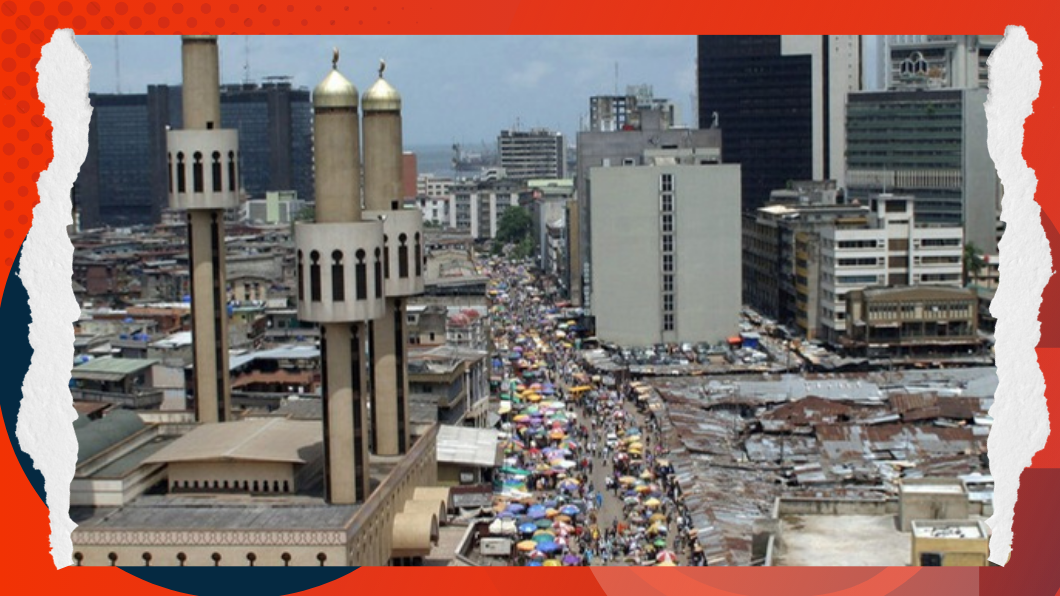
1. Lagos, Nigeria
Lagos claims the top spot worldwide for fastest-growing tech ecosystem growth. Between 2019 and 2024, the Nigerian commercial capital attracted over $6 billion in direct foreign funding, capturing more than 70% of Nigeria’s total tech investment.
The city hosts five unicorn companies: Moniepoint, Flutterwave, OPay, Interswitch, and Andela. Lagos secured $158 million in startup funding in 2024 alone, with over 2,000 active startups operating across fintech, edtech, and logistics sectors.
The Yaba district serves as Nigeria’s Silicon Valley, housing major tech companies near the University of Lagos. This concentration creates a talent pipeline that feeds the continent’s largest startup ecosystem.
Key Numbers:
- $6 billion in funding (2019-2024)
- 5 unicorn companies
- 2,000+ active startups
- #1 globally in Dealroom rankings
2. Nairobi, Kenya
Kenya secured $638 million in startup funding in 2024, accounting for 29% of venture capital invested across Africa. This massive inflow of investment positioned Nairobi as East Africa’s undisputed tech leader.
The Kenyan capital built its reputation on mobile money innovation, starting with M-Pesa’s revolutionary financial services. Companies like Twiga Foods and Sendy now expand across East Africa, serving multiple regional markets.
Kenya’s startup ecosystem grew 33.5% in 2025, climbing to 58th place in global startup rankings. The country hosts 419 active startups with total funding exceeding $236 million.
Key Numbers:
- $638 million raised in 2024
- 29% of Africa’s total VC funding
- 33.5% ecosystem growth rate
- 419 active startups
3. Johannesburg, South Africa
Johannesburg overtook Cape Town as South Africa’s leading startup hub, earning recognition in Dealroom’s top 20 fastest-growing global tech ecosystems. This reflects the city’s growing dominance in fintech and enterprise software solutions.
South Africa’s startup ecosystem received $467.8 million in funding during 2024, with Johannesburg companies capturing the majority. The city benefits from advanced telecommunications infrastructure and an established financial services sector.
South Africa’s ecosystem grew 19.5% in 2025, ranking 52nd globally with 632 active startups. Johannesburg particularly excels in edtech, where South Africa ranks 35th worldwide.
Key Numbers:
- $467.8 million ecosystem funding
- Top 20 global growth ranking
- 19.5% ecosystem expansion
- 632 active startups nationwide
4. Cape Town, South Africa
Cape Town maintains its position as Africa’s creative technology center, specializing in gaming, digital marketing, and creative software solutions. The city benefits from a strong university presence and established tech infrastructure.
While Johannesburg focuses on fintech and enterprise solutions, Cape Town excels in consumer-facing applications and digital content creation. The city hosts numerous design studios and creative agencies that serve international clients.
Cape Town’s tech scene benefits from favourable time zones for European collaboration and a skilled English-speaking workforce. Many international companies establish African headquarters here due to these advantages.
Key Strengths:
- Gaming and creative tech focus
- Strong university partnerships
- International client base
- European time zone alignment
5. Kampala, Uganda
Kampala earned recognition as one of the world’s fastest-growing tech hubs in Dealroom’s 2025 rankings, marking Uganda’s entry into global tech leadership. The city benefits from supportive government policies and rising mobile money adoption rates.
Uganda’s tech scene is growing rapidly, driven by a young population and improving digital infrastructure. Kampala-based startups focus on agricultural technology, mobile payments, and educational services that address local market needs.
The government actively supports digital transformation through policy reforms and infrastructure investments. This backing creates a favourable environment for both local entrepreneurs and international investors.
Key Factors:
- Dealroom top 20 recognition
- Government policy support
- Young demographic advantage
- Agricultural tech focus
6. Kigali, Rwanda
Rwanda has made impressive progress in driving inclusive digitalization across its economy. The government’s Vision 2050 plan positions Rwanda as a regional tech hub through strategic investments in digital infrastructure and education. Kigali benefits from political stability and business-friendly regulations that attract international investment.
The city serves as a testing ground for new technologies, with government support for pilot projects in areas like drone delivery, digital identity systems, and smart city infrastructure.
Key Initiatives:
- $300 million Innovation City project
- Vision 2050 tech strategy
- Government digital pilots
- Regional hub positioning
7. Accra, Ghana
Accra emerges as a policy-friendly destination for startups in artificial intelligence, agricultural technology, and medical technology sectors. Ghana’s stable governance and growing regional investment flows create an attractive business environment.
The city benefits from English-speaking advantages and proximity to major West African markets. Ghanaian startups often expand across the Economic Community of West African States region, leveraging shared trade agreements.
Government initiatives like the Digital Ghana Agenda support tech sector growth through infrastructure investments and regulatory reforms. These policies attract both local entrepreneurs and international tech companies seeking African market entry points.
Key Advantages:
- Stable political environment
- English-speaking workforce
- Regional market access
- Government digital agenda support
Investment Trends Driving Continental Growth
This geographic spread creates multiple innovation clusters that serve different regional markets and specialization areas.
African solutions often scale across multiple markets due to shared economic conditions and similar infrastructure challenges.
African tech hubs benefit from improving digital infrastructure, with major cities expanding fibre optic networks and 4G coverage. This connectivity foundation enables startups to serve both local and international markets effectively.
Government support varies by country, but leading hubs enjoy favourable policies for tech company registration, tax incentives, and foreign investment. Rwanda and Ghana particularly stand out for their startup-friendly regulatory environments.
The presence of universities and technical schools in major cities provides talent pipelines for growing tech companies. Cities like Lagos, Nairobi, and Cape Town host multiple higher education institutions that produce skilled graduates.
The success of African unicorns demonstrates that continental startups can achieve billion-dollar valuations, inspiring new entrepreneurs and attracting international investment funds seeking high-growth opportunities.