Nigeria’s digital rollout is accelerating. Government services, health records, education platforms and banking systems now depend on vast streams of data. Protecting that data is a question of national control, accountability and strategic independence. Nigeria, therefore, needs more companies that specialise in keeping data within national jurisdiction, enforcing domestic privacy rules and providing sovereign infrastructure, not merely vendors that secure physical assets.
Distinguishing infrastructure security from data sovereignty
Recent successes by local tech firms show Nigeria can build sophisticated hardware and autonomy systems. One homegrown company has won contracts to deploy drones, surveillance towers and an autonomy platform to protect energy and other critical infrastructure. Those capabilities strengthen operational resilience and reduce dependence on foreign suppliers for physical security. Yet protecting infrastructure and protecting data are different problems. Data sovereignty requires services that anchor data within national borders, offer verifiable custody and compliance, and make legal accountability actionable. Physical surveillance and drones help secure sites and operations, but they do not, by themselves, keep citizens’ personal records or government databases under sovereign control.
The Urgency of Securing Nigeria’s Data Locally
When data is stored or processed offshore, national regulators face limits on enforcement and oversight. Cross-border legal barriers complicate audits, incident response and lawful access. For citizens, foreign hosting can mean weaker recourse when privacy is breached. For government operations, it can create strategic exposure when critical databases and service platforms are subject to foreign legal regimes or geopolitical leverage. Nigeria’s ambitions for digital government, fintech growth and regulated sectors demand a domestic ecosystem that can host, secure and govern sensitive datasets in ways that align with Nigerian law and policy.
The current gap and the opportunity for the local industry
Nigeria already has innovators building high-value tech. The country needs to channel that entrepreneurial energy into firms that specialise in sovereign data services: local cloud and hosting providers that offer certified domestic data residency, enterprise security firms that provide end-to-end encryption and managed SOC (security operations centre) services, and software vendors that build privacy-first identity and consent frameworks for public services. Doing so will reduce regulatory friction, improve incident response times and keep sensitive data within reach of Nigerian oversight.
How policy and procurement can accelerate domestic capability
Government procurement and regulation can create demand that helps local data-sovereignty firms scale. Clear requirements for data residency in public procurement, certification standards for onshore hosting, and incentives for public–private partnerships all push the market to invest in sovereign infrastructure. At the same time, predictable regulation gives startups the confidence to invest in data-centre capacity, compliance teams and local talent.
A realistic role for firms like Terra Industries
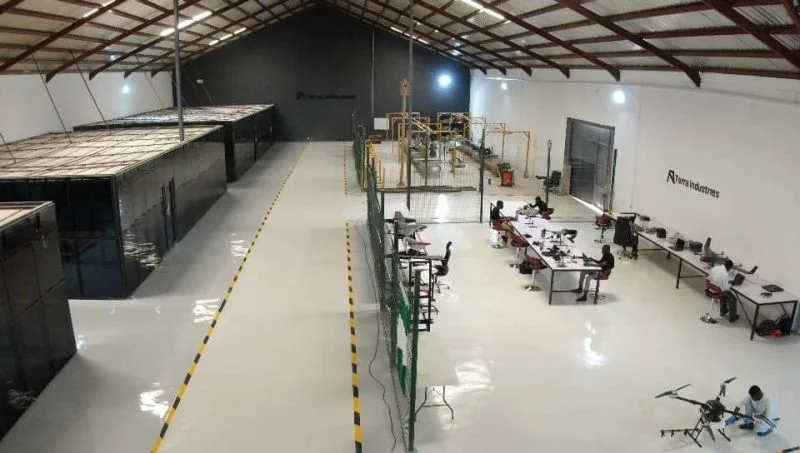
Companies specialising in drones and autonomous infrastructure security play a useful role in national resilience. Their systems protect physical assets and can complement data-sovereignty efforts by protecting on-site infrastructure that hosts critical systems. But they are not substitutes for the specialised cloud, encryption, identity and managed-security services required to keep data under national control. What Nigeria needs is an ecosystem: hardware and operational security for physical sites, plus domestic cloud, cybersecurity and governance providers that together deliver true data sovereignty.