
Techsoma Homepage
  • Policy & Regulations
  • Artificial Intelligence
  • Reports
  • Policy & Regulations
  • Artificial Intelligence
  • Reports
Home Opinions & Perspectives

What Happened to BlackBerry Phones?

by Kingsley Okeke
October 22, 2025
in Opinions & Perspectives
Reading Time: 2 mins read
Techsoma Africa

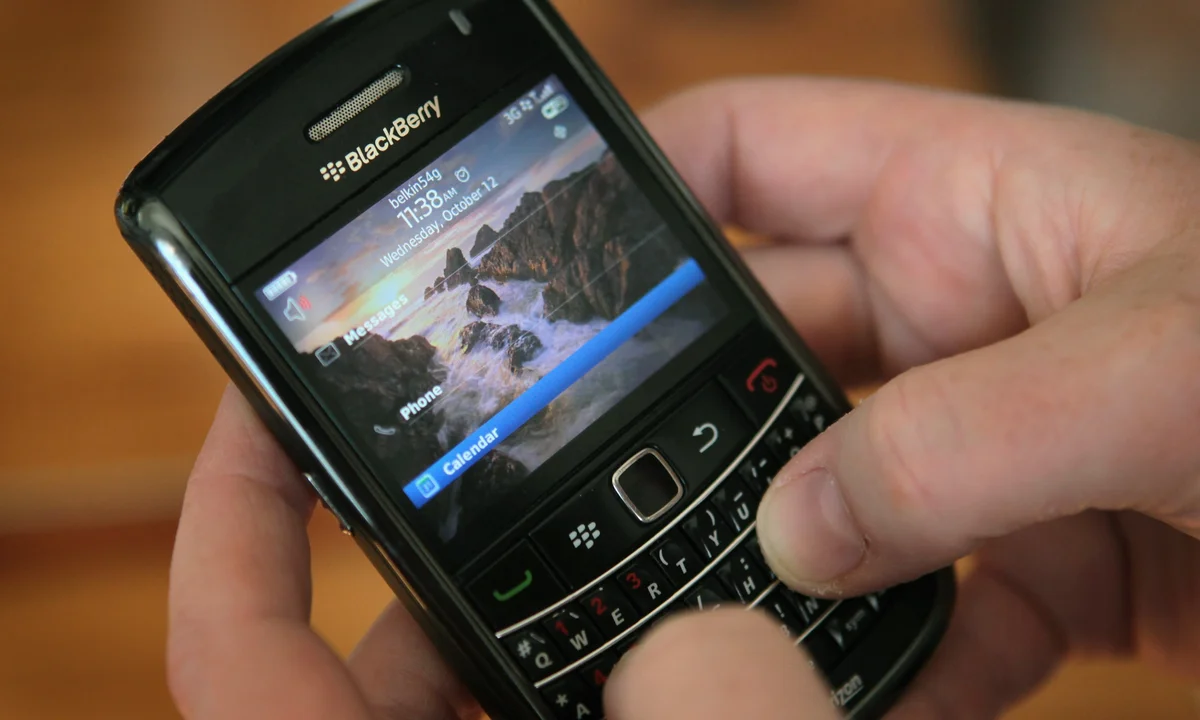
Once a symbol of executive power and mobile innovation, BlackBerry phones went from global dominance to near-total disappearance in less than a decade. Their story is one of early success, missed transitions, and reinvention.

The Rise of a Mobile Powerhouse

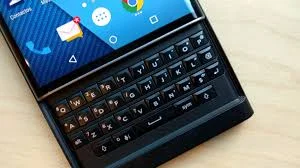
In the early 2000s, BlackBerry was the gold standard of mobile communication. Its devices, developed by the Canadian company Research In Motion (RIM), introduced features that defined modern smartphones: push email, full QWERTY keyboards, and enterprise-grade security.
Techsoma Africa
Blackberry´s full QWERTY keyboards

For corporate users, government officials, and business leaders, owning a BlackBerry was a badge of productivity. By 2009, the company had over 80 million active users worldwide and commanded a significant share of the global smartphone market.

The Fall: When the Market Moved On

BlackBerry’s dominance began to fade after Apple launched the iPhone in 2007, and Google’s Android system gained traction shortly after. While competitors shifted to full-touchscreen designs and app-driven ecosystems, BlackBerry clung to its keyboard and enterprise-first identity.

The company’s attempts to modernise (such as the BlackBerry Storm (2008) and BlackBerry 10 OS (2013)) arrived too late and failed to capture consumer enthusiasm. App developers largely ignored the platform, and users migrated to iOS and Android, where innovation and entertainment flourished.

The Pivot That Couldn’t Save the Hardware

By 2016, BlackBerry officially stopped designing its own phones, licensing the brand to third parties like TCL and later OnwardMobility. These partnerships tried to revive the name with Android-powered devices featuring physical keyboards, but none gained significant market traction.

In January 2022, BlackBerry permanently shut down support for its legacy phones, rendering devices running BlackBerry OS 7.1 or earlier inoperable. It marked the official end of the BlackBerry handset era.

Reinventing as a Software and Security Company

Today, BlackBerry no longer makes phones. Instead, it has transformed into a cybersecurity and enterprise software company, specialising in endpoint protection, secure communications, and automotive systems. Its QNX software now runs in millions of connected cars worldwide, quietly powering the next generation of mobility.

Legacy of a Pioneer

BlackBerry’s fall is often cited as a cautionary tale about technological disruption and the cost of hesitation in a fast-moving market. Yet its impact endures; the company helped define mobile security, shaped workplace communication, and laid the groundwork for the smartphones we use today.

The device that once ruled boardrooms may be gone, but its DNA lives on in the way we connect, communicate, and secure our digital lives.


Kingsley Okeke

Kingsley Okeke

I'm a skilled content writer, anatomist, and researcher with a strong academic background in human anatomy. I hold a degree...

Recommended For You

ai-layoffs-in-tech-real-reason-behind-the-cuts
Artificial Intelligence

The Real Story Behind Job Layoffs and Why Your Skills Still Matter

by Faith Amonimo
April 28, 2026

Tech job cuts did not surge because software suddenly learned to do whole jobs on its own. Many employers cut staff to control costs after the post-pandemic hiring rush, reshape...

Read moreDetails
Is the solo founder sustainable?

Is the Solo Founder Model Sustainable for African Tech Startups?

April 28, 2026
Earth Day

Earth Day Is a Reminder That African Tech Cannot Afford to Ignore Sustainability

April 22, 2026
Apple dominates in 2025

Do We Need an iPhone Neo?

April 21, 2026
Nigerian stocks

More Nigerians Are Investing in Stocks Than Ever Before. Here is Why

April 15, 2026
Next Post
Person using a futuristic AI browser with holographic interface, illustrating collaboration between human intelligence and ChatGPT Atlas Browser.

10 Ways ChatGPT Atlas Browser Can Make Your Life Easier — Including Shopping for Groceries

Claude Sonnet 4.5 Chart

Did Claude Sonnet 4.5 Really Rank Human Lives by Nationality?

Leave a Reply Cancel reply

Your email address will not be published. Required fields are marked *

Subscribe to our Newsletter

Recent News

ai-layoffs-in-tech-real-reason-behind-the-cuts

The Real Story Behind Job Layoffs and Why Your Skills Still Matter

April 28, 2026
Online betting regulation in Africa

How Africa Is Taking Back Control of Online Betting

April 28, 2026
Kiwe Co-founders

Kiwe wins final CBE approval to launch its app and card in Egypt

April 28, 2026
Mastercard LOGO

Mastercard is scaling up in South Africa as faster payments and fintech deals grow

April 28, 2026
Techsoma Africa

Google opens 100,000 free tech scholarships in Ghana

April 28, 2026
Techsoma Africa

Techsoma Africa reports on startups, fintech, AI, digital policy, and the builders shaping Africa’s innovation economy.

Facebook X-twitter Instagram Linkedin

Company

About

Contact

Advertise

Site Map

Coverage

Startups

Fintech

Artificial Intelligence

Reports

Resources

Privacy Policy

RSS Feed

News Sitemap

Policy & Regulations

Copyright 2026 Techsoma Africa. All rights reserved.

No Result
View All Result
  • Reports
  • Policy & Regulations
  • Artificial Intelligence
  • About
  • Contact
  • Advertise

Copyright 2026 Techsoma Africa. All rights reserved.