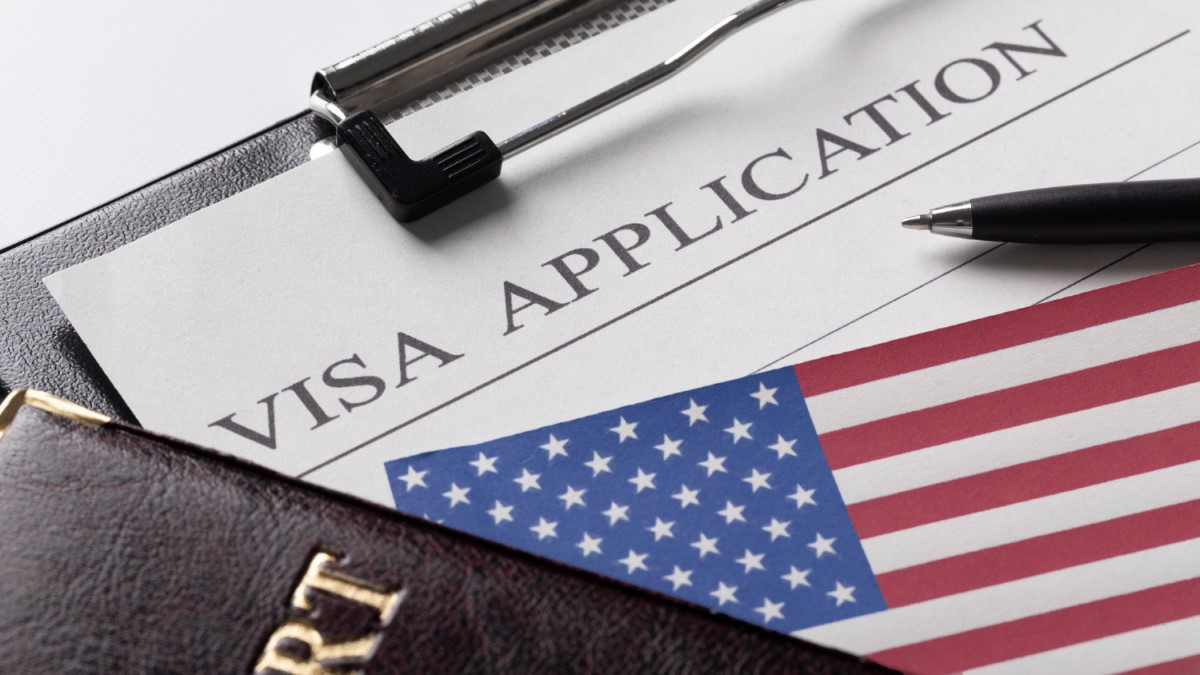
The United States has resumed processing student visa applications after a month-long suspension, but foreign students now face a new requirement: they must make their social media accounts public for government review.
The State Department announced recently that all applicants for F, M, and J visas must change their social media privacy settings to “public” as part of expanded screening procedures. Officials will scrutinize posts and messages for content deemed hostile to the United States, its government, culture, or founding principles.
The policy affects F visas for academic students, M visas for vocational students, and J visas for exchange students. More than 1.1 million international students from over 210 countries were enrolled in US colleges during the 2023-24 school year, contributing over $40 billion to the American economy annually.
Privacy Concerns and Screening Process
Students who refuse to unlock their social media accounts may face visa rejection. The State Department warned that “limited access to online presence could be construed as an effort to evade or hide certain activity.”
Consular officers will search for applicants who show “hostile attitudes” toward American citizens, culture, government, institutions, or founding principles. They will also look for those who support designated foreign terrorists or perpetrate antisemitic harassment or violence.
The screening goes beyond social media posts. Officials will examine applicants’ entire online presence, including information from databases like LexisNexis. Officers must take detailed case notes and screenshots for additional review.
RELATED POST:
Implementation and Priorities
US embassies and consulates have five business days to implement the new procedures. The enhanced screening applies to new applications, pending cases, and students awaiting interviews.
The State Department instructed embassies to prioritize students applying to colleges where international students make up less than 15% of the student body. This guidance affects around 200 universities where international students comprise more than 15% of enrollment, including all eight Ivy League schools.
Impact on Universities and Students
The new rules come amid the Trump administration’s broader crackdown on higher education institutions. In May, the administration revoked Harvard University’s ability to enroll international students, though a federal judge temporarily blocked this action.
Universities rely heavily on international students for tuition revenue and academic diversity. Many institutions charge these students full tuition rates, which helps subsidize financial aid for American students.
Early data from education application portals shows declining interest in US universities since January. The number of prospective international students searching for American schools has dropped sharply following various restrictive policies.
Security Justifications
The State Department cited national security concerns as justification for the enhanced screening. Officials referenced FBI warnings that foreign powers seek access to American universities to steal technical information and exploit research and development.
“A US visa is a privilege, not a right,” the announcement stated. “Every visa adjudication is a national security decision.”
The cable to embassies provided specific examples of concerning content, noting that discovering an applicant endorsed Hamas or its activities could render them ineligible for a visa.
Processing Challenges
The enhanced vetting may strain embassy resources. The State Department acknowledged that increased screening demands could require scheduling fewer visa appointments to accommodate thorough reviews.
International students already face high visa denial rates, particularly those from African nations and other developing countries. Critics argue the new requirements will further widen educational access gaps for students from the Global South.
Academic Freedom Concerns
Higher education experts worry the social media screening could chill academic freedom and free expression on American campuses. The policy specifically targets students with histories of political activism, particularly those associated with views deemed contrary to US interests.
“We do not seek to import activists who will disrupt and undermine scholarly activity at US universities,” Secretary of State Marco Rubio stated, according to the internal cable.
The screening requirement follows campus protests over various political issues, including pro-Palestinian demonstrations that prompted criticism from the Trump administration about universities’ handling of such activities.
This policy represents the latest development in ongoing tensions between the administration and higher education institutions over international student enrollment and campus activism.