
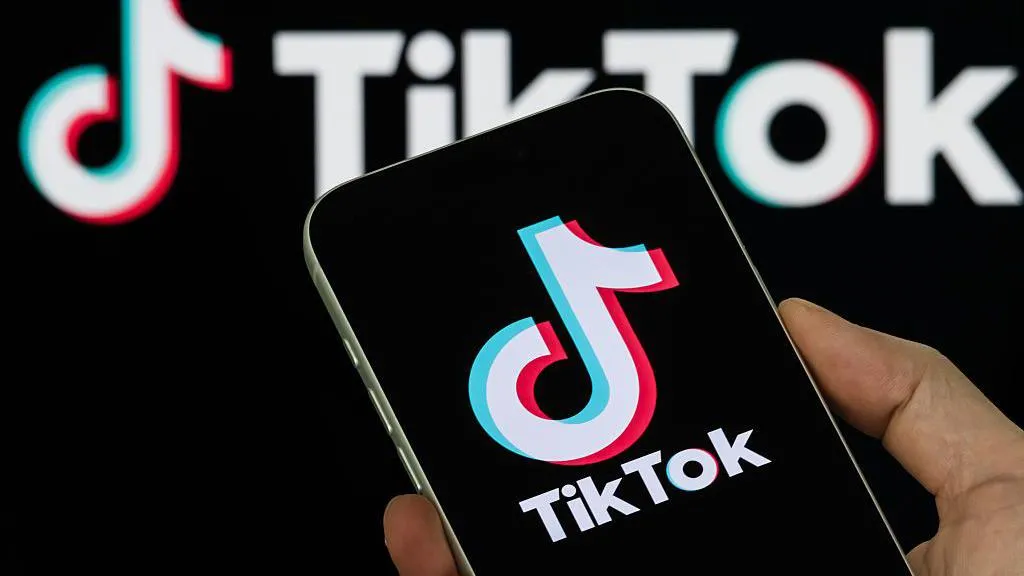
TikTok is testing new systems to detect accounts dedicated to posting AI-generated spam, part of a broader set of AI transparency and literacy measures the company unveiled for Sub-Saharan Africa. The announcement came during the AI for Good Global Summit in Geneva, alongside a new in-app AI literacy hub for users in South Africa, Nigeria and Kenya.
Targeting Accounts, Not Just Individual Posts
Rather than focusing purely on flagging individual pieces of content, the enhanced detection systems are designed to identify entire accounts built around mass-producing AI-generated spam. TikTok describes generative AI as a tool that has lowered the barrier to content creation in ways that cut both ways: it has opened up new creative possibilities, but it has also made it far easier to flood the platform with low-quality, synthetic material that can drown out authentic creators and chip away at user trust.
The company says the new detection work builds on moderation systems already in place. TikTok reported removing more than 86 million fake accounts globally in the first quarter of 2026 alone, a figure it points to as evidence of how large the spam problem has become as generative tools spread.
A Wider Transparency Push
The spam detection tests sit alongside a broader transparency effort. TikTok said it has now labelled more than three billion videos globally as AI-generated, using a mix of Content Credentials, creator disclosure tools and invisible watermarking. To reinforce that work, the company has joined the Coalition for Content Provenance and Authenticity Steering Committee, a group of technology companies working to advance shared standards for identifying AI-generated media.
On the product side, TikTok pointed to tools such as Smart Split and AI Outline for creators, along with a Manage Topics feature that lets users control how much AI-generated content appears in their feeds. Tom Varghese, the company’s AI lead, said TikTok wants people to have context, confidence and control over their experience with AI on the platform, and framed the new measures as part of an ongoing investment in technology, partnerships and educational resources.
An AI Literacy Hub for Three Key Markets
Beyond detection and labelling, TikTok is launching an in-app AI literacy hub for users in South Africa, Nigeria and Kenya. The hub is meant to help people recognise AI-generated content and understand how AI tools are being used across the platform, forming part of the company’s AI Literacy Fund. Launched in November 2025, the fund has now attracted more than four million dollars in committed investment and has worked with local partners including Moxi Africa in South Africa, the Centre for Journalism Innovation and Development, Africa Check and Paradigm Initiative in Nigeria, and Eveminet and Mtoto News in Kenya. TikTok said its African partnerships under the fund have already generated more than 200 million views.
The company also highlighted a handful of African creators, drawn from South Africa, Nigeria and Kenya, as examples of how local users are already engaging with AI tools on the platform in creative and responsible ways.
Why It Matters for African Users
The initiative lands at a moment when regulators, platforms and civil society groups across Africa are increasingly focused on how generative AI is reshaping online spaces, from misinformation and deepfakes to scam content designed to exploit unsuspecting users. South Africa, Nigeria and Kenya are among the continent’s largest social media markets, making them a natural starting point for both the literacy hub and the spam detection tests.
It is worth noting that TikTok has described the detection work explicitly as a test, not a finished system, and the company has not said when or whether it will expand beyond its current scope.