
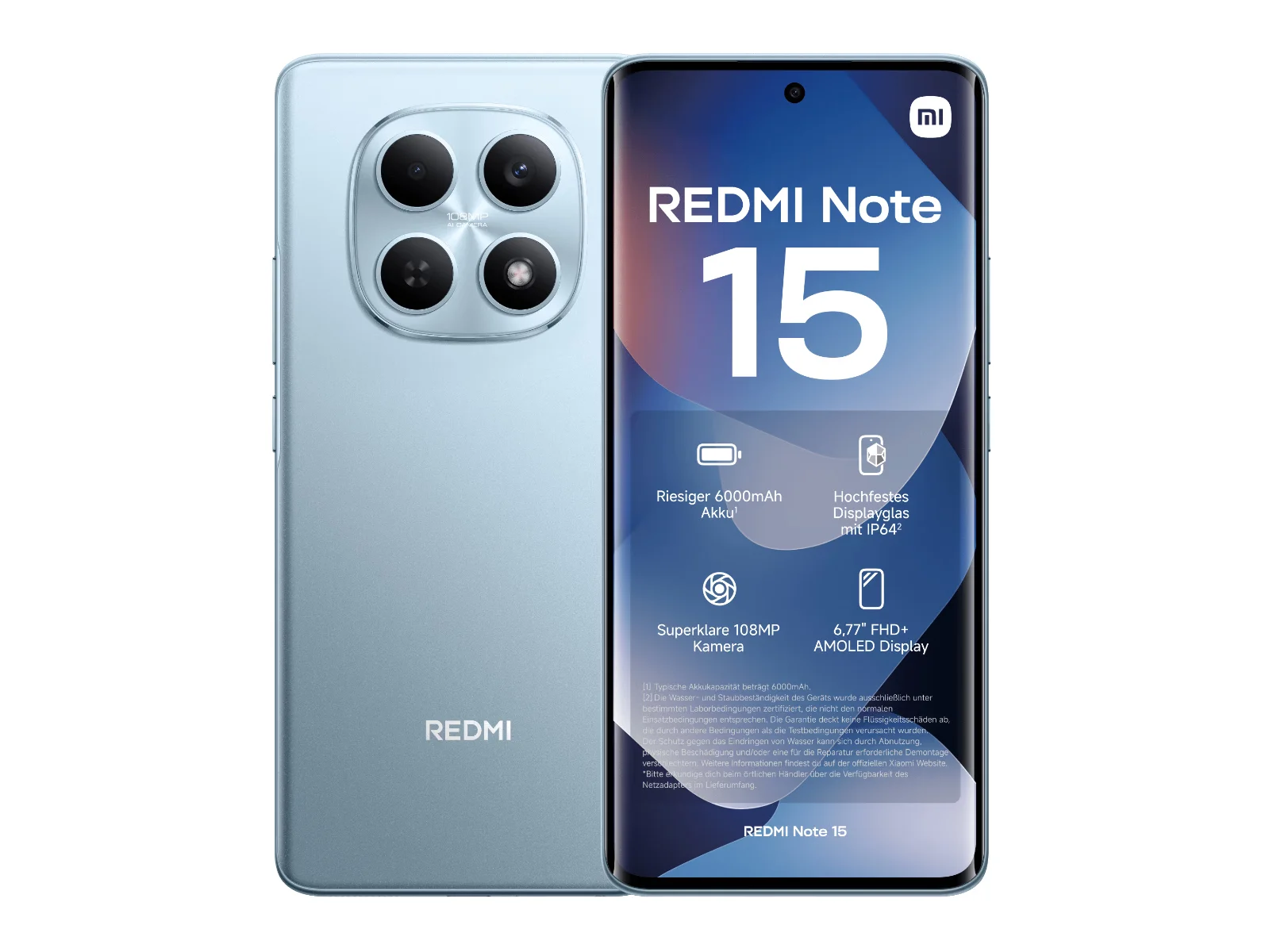
Xiaomi’s REDMI Note 15 series is built around a phone that lasts longer, survives harsher daily use, and still delivers strong photography. The lineup combines reinforced hardware, large batteries, and high-resolution cameras, signalling Xiaomi’s push to make mid-range devices feel closer to flagship phones.
Engineered for Harsh Environments, Not Just Spec Sheets
Xiaomi is centring this launch on what it calls REDMI Titan Durability. This goes beyond stronger casing. The series uses reinforced internal structure, shock absorption layers, and upgraded display protection.
Top variants are tested to survive drops from around 2.5 metres and carry high-level durability certifications. Higher-end models also include IP66, IP68, IP69 and IP69K protection, meaning resistance to dust, heavy rain, pressure water spray, and controlled water immersion.
In practical terms, this approach reflects how people actually use phones. Many users deal with rain exposure during commuting, dusty environments, and expensive repair costs. Xiaomi is clearly positioning durability as a core ownership feature rather than a marketing extra.
Battery Strategy Focuses on Long-Term Ownership
Battery performance is another major pillar of the series. Standard models push toward 6000mAh capacity, while higher-end versions reach roughly 6500mAh and support ultra-fast charging speeds.
Some models are engineered to maintain strong battery health across several years of charging cycles. For users managing unstable electricity supply, this shifts the phone from being a daily charging device to something closer to a multi-day device, depending on usage patterns. Reverse charging support also allows the phone to power smaller accessories when needed.
Imaging Moves Mid-Range Photography Closer to Flagship Quality
Camera hardware is where Xiaomi is trying to reset expectations. Premium variants include a 200MP main sensor supported by AI image processing and stabilisation.
The goal is straightforward. Deliver sharper detail, stronger zoom clarity, and better low-light results without pushing pricing into flagship territory. Even lower-tier models continue to offer high-resolution sensors, maintaining Redmi’s reputation for strong camera performance in this segment.
For social media creators, small business owners, and students who rely on their phones for content and documentation, this is a direct upgrade in practical capability.
Performance Built Around Efficiency and AI-Assisted Tasks
The series combines Snapdragon and MediaTek chipsets depending on the price tier. The focus is on balancing performance with power efficiency, rather than chasing benchmark numbers.
AI features are integrated into everyday functions. These include automatic photo enhancement, speech recognition tools, and Google AI integrations such as Circle to Search. The result is a phone positioned as a productivity tool rather than just an entertainment device.
Displays Designed for Outdoor Visibility
Most models ship with large AMOLED panels and very high peak brightness levels designed for outdoor use. This directly addresses a common complaint about phone visibility under harsh sunlight.
The displays also support smooth refresh rates, improving scrolling, gaming responsiveness, and general navigation fluidity.
Xiaomi’s Nigerian Strategy: Reliability Over Flashy Upgrades
The REDMI Note 15 series entered the Nigerian market in early 2026 across multiple variants. The current strategy is to prioritise durability, battery endurance, and camera capability over cosmetic upgrades.
The approach targets users who keep devices for multiple years and need reliability across inconsistent power supply conditions, environmental exposure, and heavy daily use.
A Shift Toward Ownership Lifespan as the New Value Metric
The Note series has always competed on price-to-performance. The Note 15 series shifts that conversation toward how long a phone can realistically remain useful.
This launch suggests a broader industry direction. Mid-range phones are moving toward durability certification, larger battery technologies, and AI-assisted imaging becoming standard features rather than premium extras.
Xiaomi is not just competing on price anymore. It is competing on how long the device remains dependable in real-world conditions.