
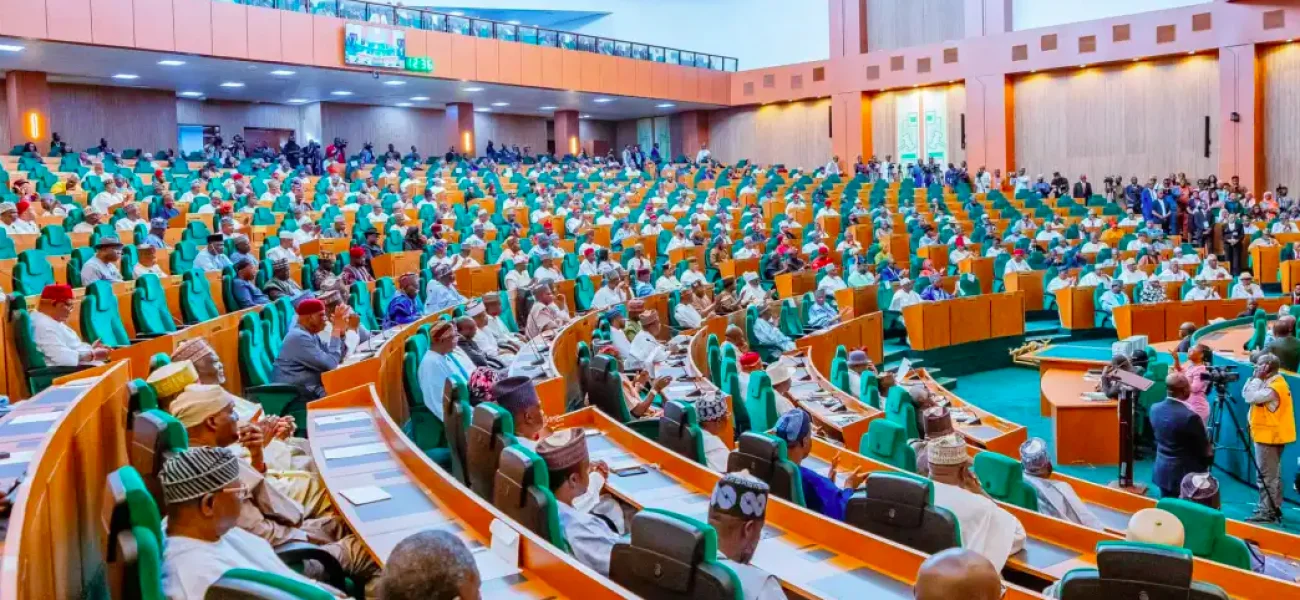
Nigeria’s House of Representatives has turned its attention to the country’s chronically poor telecom service quality, directing the Nigerian Communications Commission (NCC) to enforce stricter standards, and threatening to launch a formal investigation into what lawmakers are calling a years-long regulatory failure.
A Motion That Names the Problem
The action followed the adoption of a motion of urgent public importance sponsored by Ahmadu Jaha, who represents the Chibok/Damboa/Gwoza Federal Constituency. Speaking during plenary, Jaha acknowledged telecommunications as critical infrastructure underpinning commerce, education, finance, and everyday communication in Nigeria, but argued that service quality has stubbornly failed to match the country’s growing subscriber base.
His concerns were pointed: consumers are paying premium prices for mobile data while dealing with dropped calls, sluggish internet speeds, and network outages that often go unresolved. Beyond the economic costs, he warned that unreliable networks pose direct risks to human life by undermining emergency response during medical crises, road accidents, and fires.
Regulators and Operators Both in the Dock
Lawmakers pointed to a familiar cluster of structural problems: inadequate infrastructure rollout, persistent vandalism of network equipment, unreliable power supply, and the burden of multiple taxation on operators. These challenges have continued to erode service quality even as Nigeria’s active subscriber lines have grown past 200 million.
The pattern is particularly acute in two opposite ends of the coverage spectrum: densely populated urban centres where networks buckle under congestion, and rural communities that remain chronically underserved.
What the House Has Directed
Following the debate, the House directed the NCC to impose and enforce tighter quality-of-service standards across all operators. It also announced plans to constitute an ad-hoc committee tasked with investigating the root causes of poor telecom delivery nationwide.
The NCC has, over the years, issued various quality-of-service frameworks and sanctioned operators for violations, but enforcement has been widely criticised as inconsistent. The regulator fined MTN, Airtel, Glo, and 9mobile a combined ₦1.04 trillion in 2015 for failing to meet disconnection thresholds, though that figure was later reduced on appeal. Since then, service complaints from subscribers have continued to mount without comparable regulatory action.
A Sector Too Important to Stay Broken
Nigeria’s telecom sector is the backbone of its digital economy. With mobile internet underpinning everything from fintech transactions to remote work and e-learning, sustained service failures carry real economic consequences. For operators, the prospect of a parliamentary inquiry raises the stakes considerably heading into a period when infrastructure investment and spectrum deployment decisions will shape connectivity for the next decade.