
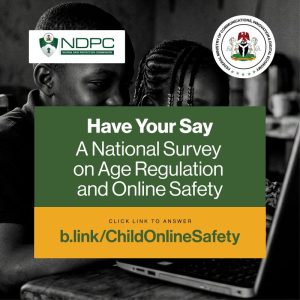
Nigeria is taking a serious look at who gets to use social media. On March 10, 2026, the Minister of Communications, Innovation and Digital Economy, Dr Bosun Tijani, announced that the Federal Government has opened a public consultation on setting age restrictions for social media platforms in the country. The Nigeria Data Protection Commission (NDPC) is running the consultation alongside the Ministry, and they want input from parents, teachers, young people, and digital professionals before drafting any formal policy.
What Pushed Nigeria to Act?
The numbers behind this move are hard to ignore. Over 36 million Nigerian children are currently online, and the risks they face daily are well-documented.
A survey by civic technology group Techsocietal found that 79 percent of Nigerian children between the ages of 11 and 16 feel unsafe online. That same survey revealed that 97 percent of Nigerian children had experienced unwanted sexual approaches through chatrooms, social networking sites, and emails. Additionally, 89 percent reported receiving sexual images or explicit content online. These are not edge cases. These are the everyday realities of children navigating Nigerian digital spaces without adequate protection.
MTN Nigeria’s “Let Children Be Children” report adds another layer to the picture. The report found that over 70 percent of Nigerian children between the ages of six and 12 already have access to the internet. More than 50 percent have experienced cyberbullying, sexual exploitation, or harassment online. Yet a significant number of these children remain unaware of basic online safety practices, which makes them even more vulnerable.
The situation is further compounded by weak enforcement. According to data from Nigeria’s National Agency for the Prohibition of Trafficking in Persons (NAPTIP), only one in ten cases of online child abuse results in prosecution. Meanwhile, 80 percent of abusive content stays online for over 48 hours, giving predators repeated access to the same material.
What Nigeria Is Actually Considering
The government is evaluating four broad policy directions. The first is setting minimum age requirements for creating social media accounts. The second involves building stronger age-verification systems so platforms can actually confirm a user’s age. The third focuses on platform accountability, meaning tech companies would carry legal responsibility for failures to protect underage users. The fourth is tighter regulatory oversight from government agencies.
Dr. Tijani made the government’s position clear in his public statement. “While the internet provides opportunities for learning, creativity, and communication, it also exposes children to risks such as cyberbullying, harmful content, online exploitation, misuse of personal data, and emerging challenges linked to artificial intelligence tools,” he said.
The NDPC also grounded the consultation in existing law. The commission referenced Section 31 of the Nigeria Data Protection Act (NDPA) 2023, which covers protections for children’s personal data. However, legal experts have noted that the NDPA was not specifically designed to address modern social media risks like algorithm-driven addiction, influencer exploitation, or AI-generated harmful content. The consultation signals that Nigeria now recognizes the gap between existing law and the realities children face online.
What Comes Next for Nigeria’s Children Online
The government has made clear that this consultation phase feeds directly into policy development. The NDPC will analyze public responses before any formal regulations or technical requirements take shape. That process takes time, and the outcome depends heavily on how seriously policymakers treat the data they collect.
What makes this moment significant, however, is that the conversation has officially started. Nigeria has one of the youngest populations in the world, and internet access is expanding fast. The combination of a young, rapidly connected population and a still-developing regulatory environment creates real urgency.
Dr. Tijani’s call for public input is a step toward building a framework that actually fits Nigeria’s context rather than simply copying laws from other countries. A practical policy for Nigeria would need clear age thresholds, parental consent requirements, enforceable duties on tech platforms, and rapid response mechanisms for when harm occurs. It would also need investment in digital literacy so that children understand privacy, manipulation, and online risk before those risks find them.
Nigeria’s children have also used social media to learn, build businesses, and participate in global conversations. Any policy built here must protect that access while removing the conditions that currently make the internet a dangerous place for millions of young users. The public consultation is open, and the government has asked every Nigerian to weigh in.