
When conversations about Africa’s tech ecosystem arise, they usually center on growth: new startups, funding announcements, and ambitious product launches. While these milestones matter, they don’t explain why some products gain trust, why some teams scale well, or why others struggle quietly behind the scenes.

At Techsoma, we believe the difference often comes down to leadership, not the kind defined by titles, but the kind that shows up in everyday decisions.
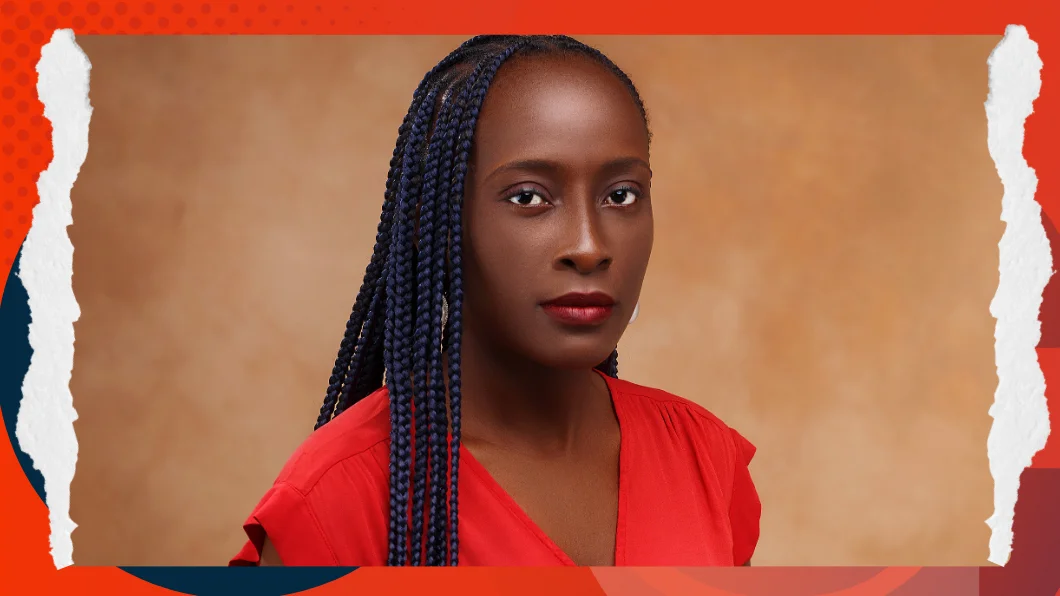
This is a philosophy exemplified by Onyemowo Onu, a product designer currently working at Blaaiz Innovations Technology. Through her work across products at Octamile and TechSynergy, she has demonstrated that product design involves far more than just execution.
The Courage to Slow Down
For leaders in this space, success often means helping teams slow down to define problems clearly rather than rushing to build. It requires pushing back when assumptions drive decisions and consistently advocating for users whose realities are easy to overlook.
This approach is especially critical in Africa, where users interact with technology under conditions that global frameworks often fail to capture. Effective leadership ensures that products are not just usable, but meaningful, grounded in real behaviours, limitations, and expectations.
Mentorship as a Core Requirement
However, leadership extends beyond product outcomes. One of the most persistent challenges in African tech is not a shortage of talent, but a shortage of guidance. Many early-career technologists are capable and motivated, yet they navigate unclear roles with very little context. Without mentorship, their growth becomes slower and more isolating than it needs to be.
Through her mentoring work with Stutern, MumsWhoCode, and TechSynergy, Onyemowo has observed the impact that honest conversations can have. Talking through career direction, confidence, and product thinking often gives talent the clarity they have been missing. Sometimes, being heard and guided is enough to change how someone approaches their work entirely.
Looking Ahead
Africa’s tech ecosystem is still evolving, which makes this specific brand of leadership vital. The decisions made today in how products are built and how people are supported will shape what the ecosystem becomes in the years ahead.
Mentorship is not an optional extra or a personal favour; it is a fundamental part of leadership. Strong ecosystems are built by those who take responsibility for more than their own output, and by those willing to share context, lessons, and space with others.
Ultimately, Africa’s tech future will not be defined only by the products we ship. It will be defined by how we build them and by whether we are intentional about the people we build alongside.