

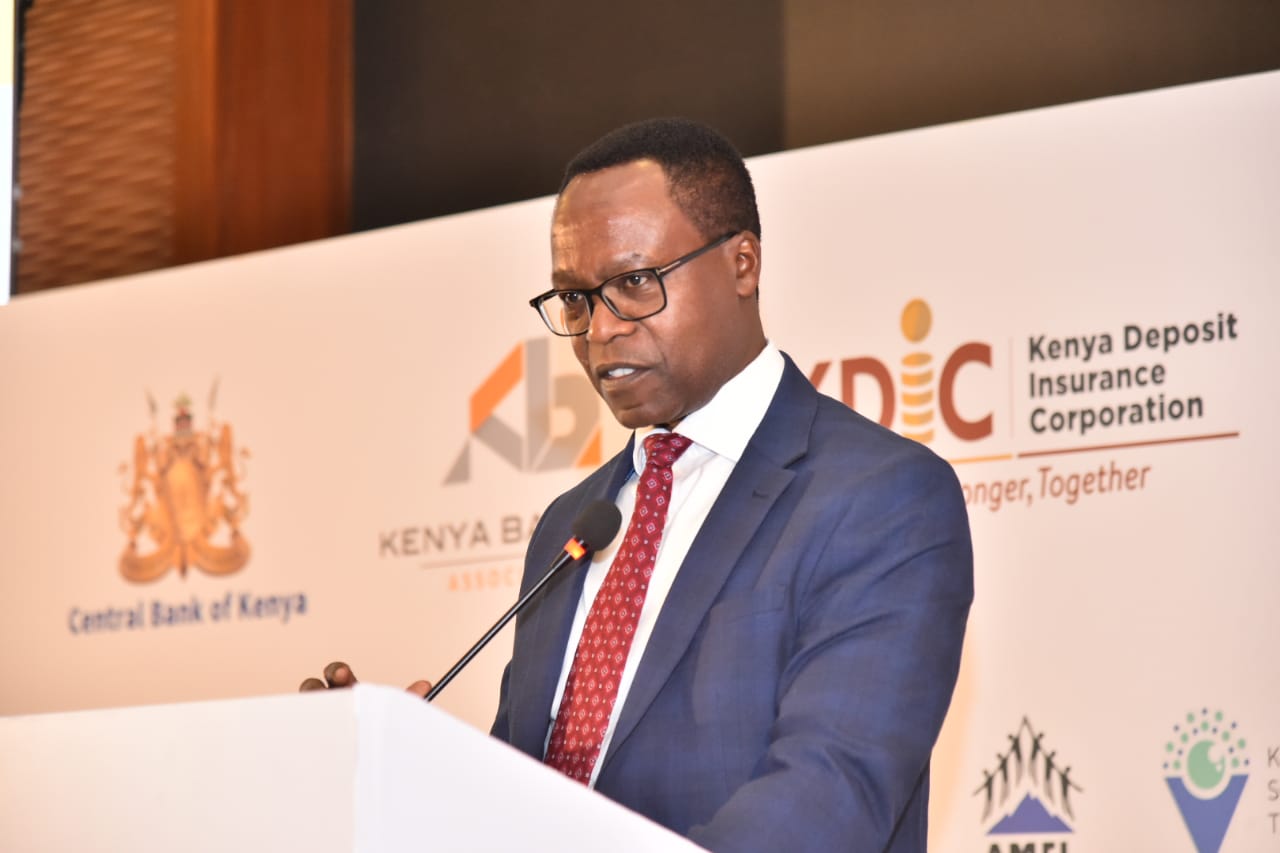
Kenyan commercial banks are urging the Central Bank of Kenya (CBK) to upgrade Pesalink rather than build a new real-time payment system (FPS) from scratch. They argue that improving the existing system would save time, reduce costs, and avoid disruptions in the financial ecosystem.
The Kenya Bankers Association (KBA), representing the banks, made this case in an October 25, 2024 letter to CBK. The letter emphasized that leveraging Pesalink could quickly achieve CBK’s vision for a seamless, fast payment system. The association proposed transitioning Pesalink into a national payment switch, incorporating key stakeholders such as CBK, Safaricom, and Kenswitch.
According to John Gachora, KBA chairman and CEO of NCBA Bank, this approach would bring much-needed changes to ownership, governance, and technology, aligning the platform with the regulator’s goals.
The Case for Pesalink: A Cost-Effective Solution
Kenyan banks argue that upgrading Pesalink offers a faster and more efficient solution to achieve CBK’s goals. Pesalink, owned by the KBA through its fintech subsidiary, Integrated Payment Services Limited (IPSL), currently facilitates peer-to-peer (P2P) transfers among the association’s 39 member banks.
The proposed upgrade would involve significant improvements to Pesalink’s technology and business model. Banks also suggest broadening its ownership to include CBK, mobile money providers like Safaricom, and other licensed payment participants. These changes could transform Pesalink into a national platform, capable of connecting all financial players.
CBK’s Vision for a Fast Payment System (FPS)
On October 18, 2024, CBK announced its plan to develop a real-time Fast Payment System (FPS). The system aims to enable instant transactions across banks, mobile money providers, and licensed payment service providers.
While the launch date has not been disclosed, banks are urging CBK to roll out the system swiftly. Speed and cost-efficiency, they argue, are critical to ensuring the success of the new platform. “In setting up a successful FPS, due consideration will need to be given to the speed of execution and the costs involved,” Gachora explained.
Challenges in Kenya’s Payments Ecosystem
Kenya’s current payment ecosystem is fragmented. Mobile money platforms like M-Pesa and Airtel Money operate independently from other financial institutions, creating inefficiencies. Transfers between banks and digital wallets often require partnerships, and some banks do not support Airtel Money transactions, leaving users with limited options.
Pesalink also has its limitations. While it allows P2P transfers among KBA member banks, it lacks interoperability with fintechs and mobile money providers. For instance, users cannot send funds directly from Pesalink to a mobile wallet, restricting its potential as a unified digital payment solution.
The Dominance of Mobile Money in Kenya
Mobile money continues to dominate Kenya’s payment market. In 2024, mobile money platforms processed over $300 billion, far exceeding traditional methods like cheques ($15.4 billion) and the Real-Time Gross Payment System ($21.6 billion).
Despite its dominance, mobile money platforms like M-Pesa operate in silos, disconnected from other parts of the financial system. This lack of interoperability limits seamless transactions across providers, leaving room for improvement in Kenya’s payment landscape.
Why CBK’s FPS Could Be a Game-Changer
A unified national payment platform, like CBK’s proposed FPS, could transform the way payments are made in Kenya. By connecting all financial institutions, mobile money providers, and fintech platforms, FPS would enable real-time, cross-platform payments.
Businesses, in particular, would benefit from a unified system. Today, they must manage multiple accounts for card payments, mobile wallets, and bank transfers. FPS would allow merchants to consolidate all digital payments into one account, streamlining their operations.
The Road Ahead: Collaboration or Conflict?
The debate over whether to upgrade Pesalink or build FPS from scratch highlights a broader need for collaboration. Banks argue that leveraging Pesalink would save resources and speed up implementation, while CBK envisions a new system as a clean slate for innovation.
Delays in implementing a unified payment system could slow Kenya’s progress in digital innovation. A collaborative approach is essential to ensure a timely and effective rollout. The stakes are high, as the outcome will shape Kenya’s financial future and solidify its role as a leader in digital payments.
Kenyan banks and CBK must find a middle ground to create a unified payment system that works for everyone. Whether through upgrading Pesalink or building a new FPS, the goal is the same: a seamless, real-time system that eliminates fragmentation and boosts efficiency. With the right approach, Kenya could set the standard for digital payments in Africa and beyond.