Millions of people now have smartphones and internet connections, yet reliable health information remains out of reach for many. In communities disproportionately affected by HIV, this gap is not merely a matter of connectivity; it is a question of comprehension. People encounter medical jargon, fragmented resources, and stigma-laden content that discourages engagement rather than promoting it. Empower+ was built with this reality in mind.

Who Is Behind It
Microsoft and the UNAIDS-supported Education Plus initiative collaborated to launch Empower+, a free AI and digital skills platform aimed at equipping young people with future-ready skills across 21 African countries. The partnership brings together Microsoft’s expertise in digital skills training with Education Plus’s established networks and on-the-ground presence across the continent.
What Empower+ Actually Does
The platform offers free, mobile-accessible courses in foundational digital literacy, emerging AI skills, and content linking digital opportunity to HIV awareness and prevention. Rather than simply presenting facts, it teaches users how to find, evaluate, and apply health information, a skill that extends well beyond any single condition. While demand for digital skills in Africa is rising, access remains uneven, especially for girls and young women, and Empower+ was designed with that gap in mind.
Digital Literacy as a Prevention Tool
The platform treats digital literacy not as a technical skill but as a public health intervention. When someone learns to critically assess online health content, they become better equipped to seek testing, understand treatment options, and reduce transmission risk. It also responds directly to the overlapping challenges of gender inequality, limited economic opportunity, and HIV vulnerability that continue to shape the lives of adolescent girls and young women across sub-Saharan Africa.
Why This Model Matters
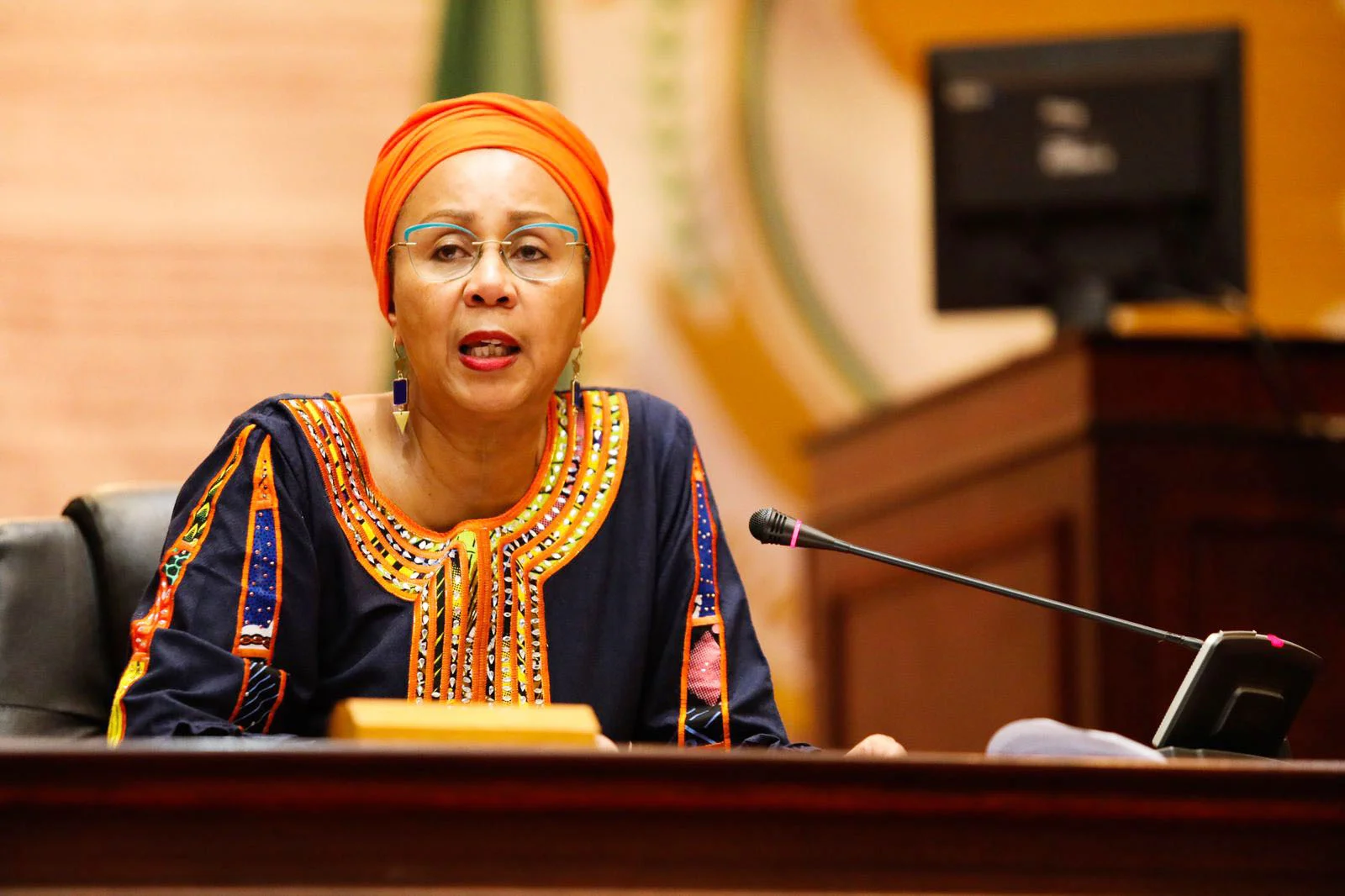
Anne Githuku-Shongwe, UNAIDS regional director for Eastern and Southern Africa, has noted that keeping girls in school transforms their life options and that digital inclusion opens access to skills, information, and opportunity. In linking digital literacy to HIV awareness, Empower+ makes a compelling case that effective health education cannot assume access equals understanding. Giving people the tools to find good information may ultimately matter as much as the information itself.