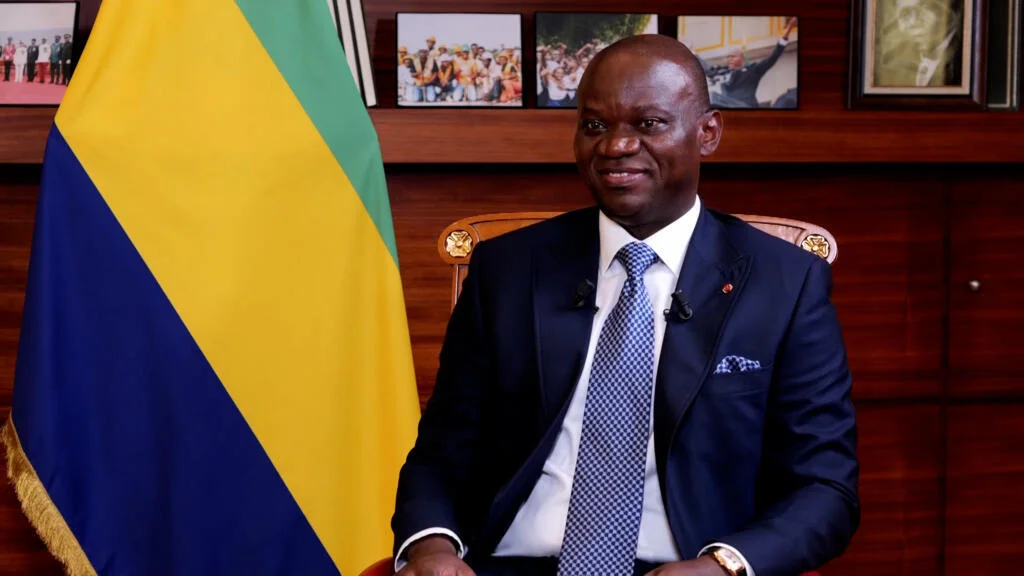
Less than a year into office, President Brice Oligui Nguema is confronting the kind of domestic turbulence that tests whether a leader’s democratic promises hold under pressure. On Tuesday evening, Gabon’s media regulator announced an indefinite suspension of social media across the country. This move, critics say, is less about public safety and more about silencing a growing wave of discontent.

What the Government Says
The order came from the High Authority for Communication (HAC), whose spokesperson, Jean-Claude Mendome, read the decision on national media. The regulator cited the “spread of false information,” cyberbullying, and the unauthorised disclosure of personal data as justification. It also pointed to content it described as defamatory and hateful, which it claimed was eroding national security and human dignity. The suspension takes immediate effect and will remain in force “until further notice.” The HAC did not specify which platforms were targeted, though internet monitoring group NetBlocks confirmed that Meta services, YouTube and TikTok were restricted. WhatsApp calls were also experiencing significant disruptions, a particularly sharp blow in a country where the app is a primary tool for everyday communication and commerce.
What’s Actually Going On
The official framing has not convinced many observers. The suspension lands against a backdrop of widening labour unrest. Teachers began striking in December 2025 over pay and working conditions, and the action has since spread to workers in health, broadcasting, and higher education. For a country of around 2.5 million people, these grievances run deep.
Oligui Nguema rose to power via a coup in August 2023, ousting longtime president Ali Bongo Ondimba. He won a subsequent election in 2025 by a landslide, with many Gabonese hoping the transition would bring genuine reform. Critics say it hasn’t. They point to a pattern of targeting independent media and trade unionists, and argue the social media ban is the latest step in a systematic clampdown on dissent.
A Continent-Wide Pattern
Gabon is not alone in reaching for the internet kill switch when things get uncomfortable. It has done it before; authorities restricted access during the 2023 election period, citing fears of misinformation and calls for violence. Across the continent, Tanzania restricted internet access nationwide during its general elections in October 2025. Earlier that same year, the country blocked X over what officials described as “moral concerns.” The tactic is becoming routine: frame digital access as a threat to order, then suspend it with vague assurances that free speech remains protected.
The economic cost is real. Gabon had an estimated 850,000 active social media users in late 2025, many of whom rely on platforms for small-business sales and income. Shutting them down doesn’t just limit speech; it limits livelihoods.
A Fragile Moment
The World Bank has warned that despite the political transition, Gabon’s fiscal position remains fragile. The country is grappling with debt and an acute liquidity squeeze. Against that backdrop, a government that blocks its citizens from talking to each other online is making a calculated bet. Whether that bet pays off, or simply deepens the resentment already simmering beneath the surface, remains to be seen.