
Techsoma Africa
Latest Startups FinTech AI Tech Global Apps Opinions African
Policy & Regulations Artificial Intelligence Reports About Contact Advertise African Startup Ecosystem FinTech & Digital Money Artificial Intelligence Technology Global News Apps, Gadgets, Tools & Softwares Opinions & Perspectives African Telecommunications
Techsoma Africa
No Result
View All Result
Techsoma Africa
No Result
View All Result
Techsoma Africa
No Result
View All Result
Home African Telecommunications

FibreOne CXO Warns Nigeria Loses $15 Billion Yearly to Broken Broadband Infrastructure.

by Kingsley Okeke
July 30, 2025
in African Telecommunications
Reading Time: 4 mins read
IMG e1664357838398

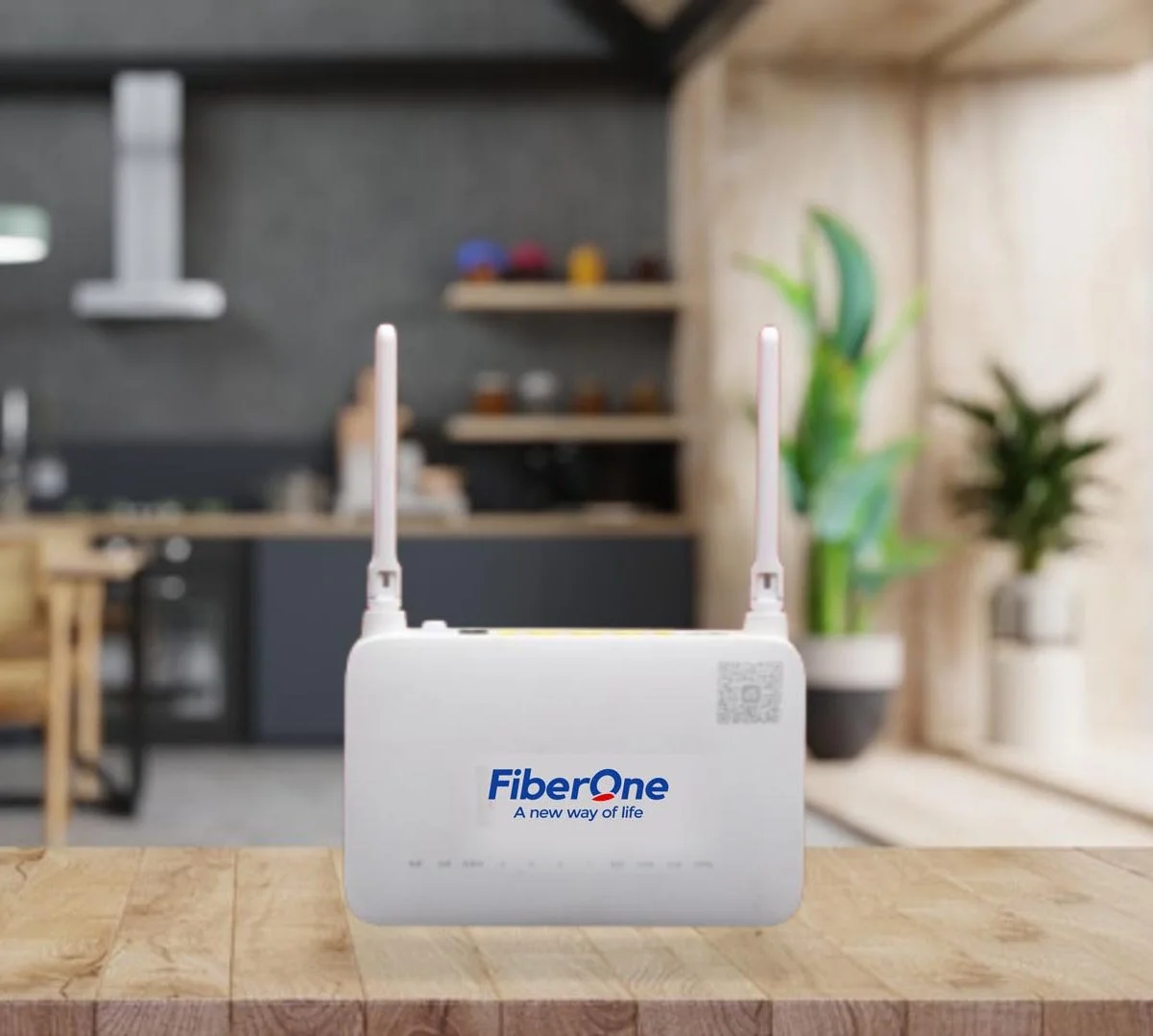
At the recent Titans of Tech Conference in Lagos, Yinka Isioye, Chief Experience Officer(CXO) of FibreOne, said Nigeria loses $15 billion each year due to its broadband infrastructure gap. He called broadband “the oxygen for innovation” and stressed its role in fintech, telemedicine, e-learning, and SME growth. He noted that the problem affects both access and reliability. More than 60 per cent of Nigerians still lack consistent internet coverage. This digital divide costs the country billions in lost productivity, slowed economic activity, and missed opportunities.

Vandalism Makes a Bad Situation Worse

dc Cover u79hkpbt0hsmjh3mvv6fgki8m3 20180821033444.Medi
Underground Fibre Cables

A major driver of these losses is vandalism. Fibre optic cables are routinely dug up and stolen. Telecom companies also face theft of solar panels, diesel, batteries, and other site equipment. These attacks are widespread and relentless.

Between May and July 2025, telecom operators recorded 445 separate vandalism incidents. That averages about five attacks per day. MTN alone reported 43 fibre cuts daily. Airtel faces similar challenges. Repairs are costly. In one year, MTN spent over N11 billion relocating 2,500 kilometres of fibre to safer routes.

Despite a 2024 executive order declaring telecom infrastructure as Critical National Infrastructure, enforcement remains weak. Arrests are rare. Prosecutions are even rarer.

How Customers Are Affected

For ordinary Nigerians, the impact is clear and painful. Dropped calls. Slow internet. Banking failures. Interrupted remote work and learning. Medical apps that stop mid-session. Many users now pay high fees for unreliable service.

Some customers report waiting a long time for repairs. Even in major cities, speeds can drop below 1 Mbps. In rural areas, service is non-existent.

The costs are both personal and national. Households lose access. Businesses lose sales. Schools lose lessons. Everyone pays more for less.

The Economic Toll

According to FibreOne, Nigeria loses $15 billion yearly to poor broadband. That’s nearly four times the annual federal education budget. It’s equivalent to a state’s full allocation. And it’s avoidable.

Studies show that an increase in broadband penetration would unlock significant economic growth. If infrastructure were protected and expanded, Nigeria could grow its GDP. But without protection, gains will remain theoretical.

What’s Being Done

Operators are working to respond. Industry groups are lobbying for stricter enforcement. The Nigerian Communications Commission (NCC) has launched platforms for citizens to report fibre cuts and theft. Some companies have begun deploying security teams and remote monitoring tools.

But much of the damage is tied to poor coordination between government agencies and contractors. Fibre cuts often occur during road construction, with no warning given to telecoms.

Calls for a national dig-once policy have not been heeded, and community engagement remains low.

Broadband Without Security Is a Dead Investment

Nigeria’s broadband service covers technology,  governance, security, and planning. Until telecom infrastructure is protected and prioritised, the country will keep bleeding money, time, and opportunities. The concern now is how long Nigeria can afford to keep ignoring what it’s losing.


Related Techsoma coverage

  • MTN MoMo South Africa Introduces Flexible Smartphone Financing with New Rent-to-Own Offer
  • NIMC Completes Migration of Telcos to New NIN Platform After Weeks of Service Chaos
  • Are Thinner Phones the Future of Mobile Design?
Kingsley Okeke

Kingsley Okeke

I'm a skilled content writer, anatomist, and researcher with a strong academic background in human anatomy. I hold a degree...

Recommended For You

NCC approves data calculators
African Telecommunications

NCC Signs Deal With REA to Cut Telecom Diesel Costs

by Kingsley Okeke
July 27, 2026

The NCC has signed a new agreement aimed at reducing the industry's heavy reliance on diesel generators, one of the biggest drags on operator profitability and network expansion across the...

Read moreDetails
Picture of the Cursor AI Hackathon in Ethiopia

Ethio Telecom Backs Ethiopia’s Largest AI Hackathon at Adwa Museum

July 27, 2026
A Starlink satellite dish, now operating in Côte d'Ivoire under a newly granted provisional licence

Starlink Launches in Côte d’Ivoire, No Ownership Fight

July 22, 2026

Kenyan Banks Undercut M-Pesa With Nearly Free Transfers

July 22, 2026

Kenya Now Requires a Licence to Import Phones and Routers

July 22, 2026
Next Post
youtube loosens its profanity monetization rules after creat 3vdr.2496

YouTube Loosens Profanity Rules. Will African Creators Finally Earn What They Deserve?

MoMo PSB Super App

MTN MoMo South Africa Introduces Flexible Smartphone Financing with New Rent-to-Own Offer

Please login to join discussion

Browse by Category

  • African Startup Ecosystem
  • African Telecommunications
  • Apps, Gadgets, Tools & Softwares
  • Artificial Intelligence
  • Business & Markets
  • Creator Economy
  • Cybersecurity
  • Digital Work-Life Series
  • E-Commerce
  • Event Radar Africa
  • Exclusive Interviews
  • Explainers
  • Features/Spotlights
  • FinTech & Digital Money
  • Funding news
  • GenZ Desk!
  • Global News
  • Logistics & Mobility Tech
  • Media & Entertainment
  • News
  • Opinions & Perspectives
  • Opportunities, Careers & Learning
  • Partner
  • Policy & Regulations
  • Reports
  • Reviews
  • Tech Insights for Creators
  • Technology
  • Thought Leadership
  • Uncategorized
  • About Us
  • Advertise on Techsoma
  • Contact
  • Corrections Policy
  • Editorial Standards
  • Ownership and Funding
  • Privacy Policy
  • Publish Your Articles
  • Techsoma Africa
  • Terms of Service

Copyright 2026 Techsoma Africa. All rights reserved.

Welcome Back!

Login to your account below

Forgotten Password?

Retrieve your password

Please enter your username or email address to reset your password.

Log In
Techsoma Africa

© 2026 Techsoma Africa Media.

Company

Policy AI Reports About Contact Advertise

Legal

Terms Privacy RSS

Latest

Founder Dependency: Why Your Startup Needs to Survive Without You Founder dependency happens when your startup cannot function without you. This guide explains how to spot the signs, build decision-making frameworks, delegate authority, and create a business that outlasts its founder. Chief Diana Chen Is Building the Technology Stack for Nigeria’s Mobility Future Nigeria’s transition to electric, connected and technology-enabled transportation will require far more than the introduction of new vehicles.... Kenya AI Policy: New Rules Put People and Local Business First Kenya just released a draft AI policy that shifts focus from foreign dependence to local innovation. The policy proposes a Sovereign Cloud Strategy, worker protections for content moderators, and an AI Innovation Fund to support homegrown startups. Public comments are open until August 4.
Techsoma Network Techsoma Network Techsoma Africa Techsoma Middle East Techsoma Canada
Transparency About Editorial Standards Corrections Ownership & Funding Privacy Terms Contact
No Result
View All Result
  • About Us
  • Advertise on Techsoma
  • Contact
  • Corrections Policy
  • Editorial Standards
  • Ownership and Funding
  • Privacy Policy
  • Publish Your Articles
  • Techsoma Africa
  • Terms of Service

Copyright 2026 Techsoma Africa. All rights reserved.