
African YouTubers have long walked a tightrope between keeping it real and keeping it monetized. A recent policy shift from YouTube may finally ease that tension, but how much impact will it really have on creators in Lagos, Nairobi, Accra or Johannesburg, where AdSense dollars are already hard-won?
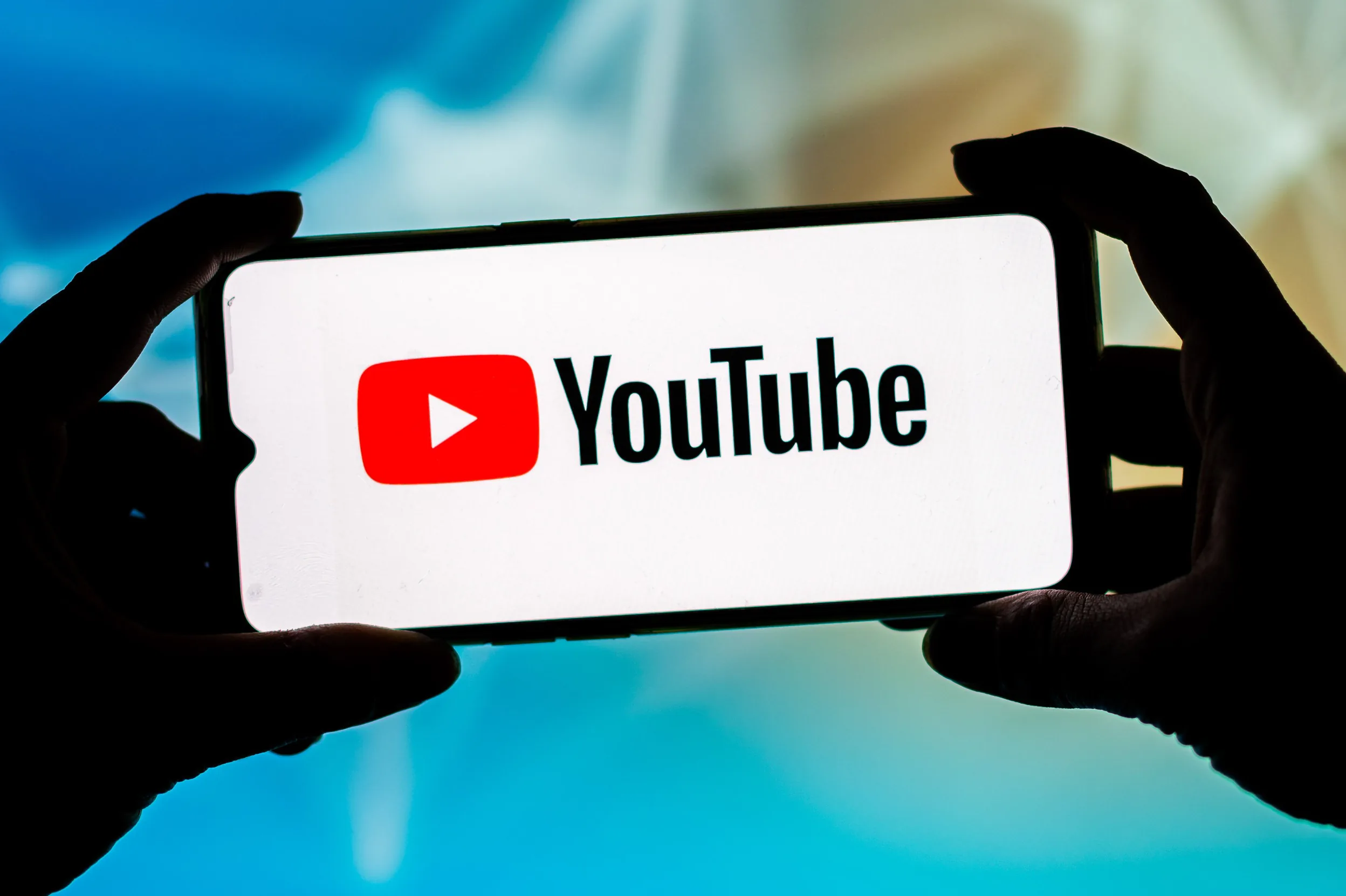
On July 30, YouTube updated its advertiser-friendly guidelines: videos containing strong profanity (including the f-word) within the first seven seconds will no longer be automatically demonetized, provided the use isn’t excessive or hate-driven. This is a reversal of the stricter 2022 policy, where even mild swearing in intros could strip creators of all ad revenue.
For African creators, many of whom rely heavily on AdSense due to limited access to Super Chat, Memberships, and local brand deals, this could be a small but strategic win.
What Changed, Exactly?
| Rule | Before | Now |
|---|---|---|
| Strong Profanity in First 7 Seconds | Full demonetization | Monetization allowed (if not frequent) |
| Profanity in Titles/Thumbnails | Demonetized | Still demonetized |
| Excessive or Hateful Language | Always demonetized | No change |
YouTube now allows advertisers to opt into showing ads on videos with profanity, shifting the decision from blanket bans to brand preference.
“We’ve seen advertiser expectations evolve,” said Conor Kavanagh, YouTube’s head of monetization policy, in a statement. “This change supports creators who want to express themselves without being penalised unfairly.”
Why It Matters in Africa
The economic reality for most African YouTubers is stark:
- CPMs are lower across Sub-Saharan Africa than in North America or Europe.
- Advertiser targeting often skips African regions entirely.
- Access to full platform monetization features is inconsistent due to regional eligibility.
For creators building commentary, comedy, or street interview channels, where natural speech includes slang and swearing prior rules felt punitive. Many resorted to bleeping, scripting around authenticity, or avoiding monetization altogether.
This rule change is not a revenue windfall, but it removes one unnecessary friction point, especially for emerging creators whose audiences expect unfiltered content.
What Creators Can Do Now
Techsoma spoke to multiple mid-sized YouTubers in Nigeria and Kenya, who described the update as “relieving” but “not yet revolutionary.” Their consensus: adapt with care.
Here’s what creators should do to benefit:
- Embrace Natural Language Strategically
A single f-bomb in your intro won’t kill your revenue anymore, but five will. Speak authentically, but avoid overloading scripts with strong profanity. - Keep Titles and Thumbnails Clean
YouTube’s policy remains strict here. Any visible profanity will still limit ad access. - Use Self-Rating Tools
The YouTube Partner Program now allows creators to self-rate content. Be honest. Mislabeling can backfire during manual reviews. - Monitor CPM Trends
Track your earnings across similar content types before and after the change. If certain video formats see improved CPM, double down.
Zooming Out: Monetization Gaps Still Exist
While this update is a welcome shift, the deeper issue remains: African creators still earn less for the same content.
According to a 2023 Rest of World study, Nigerian creators earn 40 to 60 percent less per thousand views compared to US-based peers, even with similar audience engagement. This gap is due to regional ad inventory, payment processing limitations, and currency risk.
Until YouTube unlocks more monetization features in African markets, like expanded Super Chat availability, in-country BrandConnect access, or region-specific YouTube Premium rev, share policy tweaks alone won’t level the playing field.
Editor’s Note
This policy shift is a signal, not a solution. It shows YouTube is willing to rethink old rules. For African creators, it offers a bit more breathing room to be bold, funny, raw and still get paid.
But the fight for true monetization equity continues.
This article was rewritten with the aid of AI
At Techsoma, we embrace AI and understand our role in providing context, driving narrative and changing culture.