Burkina Faso has posted one of its clearest digital progress updates in years. The government says it connected 370 new localities to telecom networks in 2025 and achieved 91.06 per cent of its national digital goals for the year.

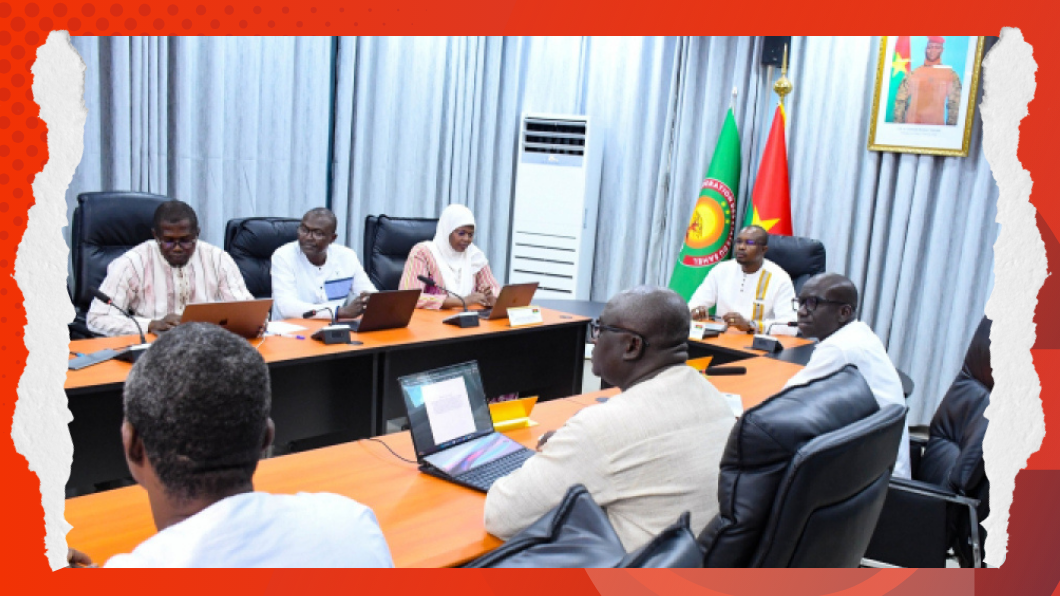
The Ministry of Digital Transition, Posts, and Electronic Communications reported a 91.06 per cent completion rate for its 2025 objectives during an evaluation chaired by Prime Minister Rimtalba Jean Emmanuel Ouédraogo. The ministry also described 2025 as a hinge year for its digital work, with broad delivery across access, platforms, and state infrastructure.
370 localities got telecom service for the first time
The ministry says it has interconnected 370 new localities to the telephone network. In plain terms, many of these communities did not have workable phone and internet service before. Now they do. That step targets one of the hardest problems in African connectivity, which involves bringing coverage to places operators often avoid because costs run high and revenues stay low.
Also, this expansion ties into Burkina Faso’s ongoing “zero white zones” push, which aims to shrink areas with no network coverage.
Online public services grew fast and 146 platforms already work
Connectivity helps, but services drive adoption. The ministry says it developed or launched work on 69 new online service platforms in 2025. That brought the total to 272 platforms created since the 2023 national digital conference period. Out of those, 146 platforms already operate.
This is crucial for citizens because it can cut travel time, speed up paperwork, and reduce the friction that blocks small business growth.
Data centers moved the conversation to local control
Burkina Faso also completed and inaugurated two modular data centers for public administration in 2025, according to the ministry. This step supports local hosting and better control of government data. It also signals a serious approach to state infrastructure, not only consumer internet.
Across Africa, governments now invest more in sovereign hosting, cybersecurity readiness, and resilient systems. Burkina Faso’s move fits that wider shift.
2026 plans target ID, more coverage, and government tools
The government has already mapped the next steps. It plans to roll out a unique electronic identification system and aims to enroll seven million people by the end of 2026, according to the ministry statement.
It also plans to push the “zero white zones” work further by launching coverage for 750 additional localities. Alongside that, it wants a dedicated network for public administration and national messaging and collaboration tools.
Separately, reporting around the country’s coverage expansion plans also points to 800 new telecom sites tied to efforts that involve the regulator ARCEP and operators such as Orange Burkina, Telecel Faso, and ONATEL S.A., with parts linked to PACTDIGITAL and the Universal Service and Access Fund.
World Bank funding support
Burkina Faso does not run this transformation alone. The World Bank announced approval of a 150 million dollar Digital Acceleration Project to improve access to infrastructure, public services, and digital skills in Burkina Faso. The bank also said the project targets vulnerable groups such as rural communities and internally displaced persons.
This support connects to a practical reality across the region. Big infrastructure needs patient capital, and public finance often carries early risk, so operators can extend service to harder areas.
What this could change for everyday life in Burkina Faso
When telecom service reaches a locality that never had it, daily routines can shift fast.
A farmer can check market prices without a long trip. A parent can follow school updates. A trader can receive payments and confirm orders. A clinic can share data and coordinate referrals. These wins depend on a stable signal, affordable data, and services that work on basic phones.
Burkina Faso now has momentum on the first part. Next, it must keep costs realistic and keep services simple.