

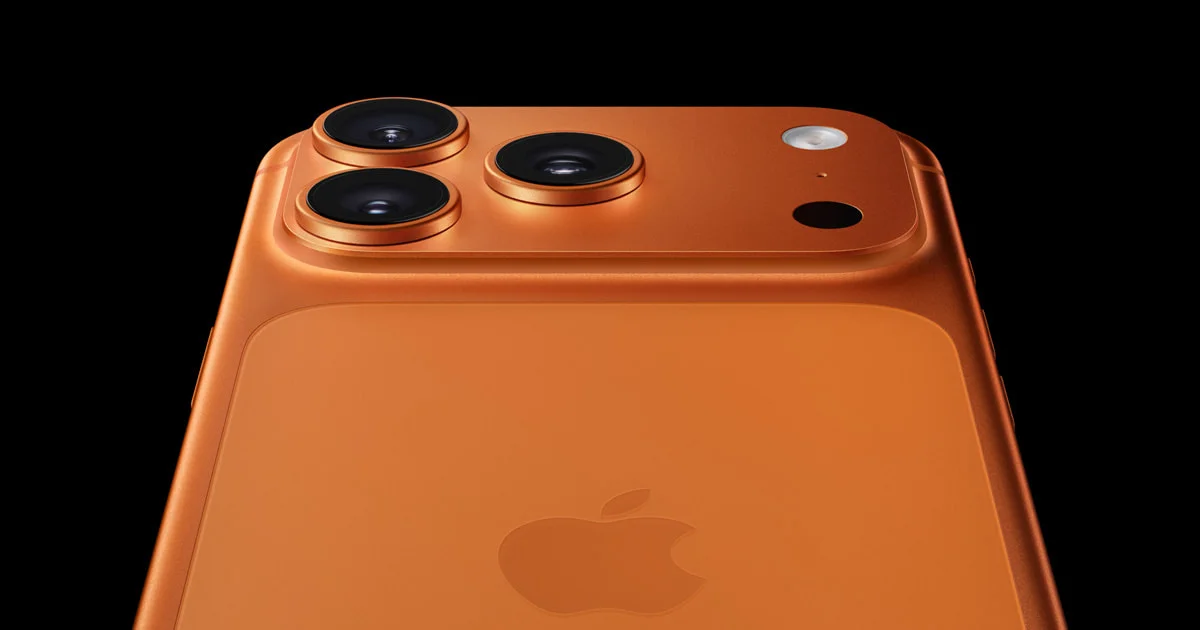
The year 2025 has been a tale of two narratives for Apple. While the tech giant celebrated record-breaking iPhone sales and bold design innovations, it also grappled with disappointing product launches and stalled artificial intelligence ambitions. As the year draws to a close, Apple’s performance reveals both the company’s enduring strengths and its struggle to maintain momentum in an increasingly competitive landscape.
The Biggest Win: iPhone 17 Series Dominates the Market
Apple’s most significant triumph of 2025 is undoubtedly the iPhone 17 series, which exceeded both the company’s expectations and investor projections in sales performance. The lineup, comprising the iPhone 17, iPhone 17 Pro, and iPhone 17 Pro Max, struck a perfect chord with consumers by addressing their most pressing needs.
The standard iPhone 17 received a dramatically improved display, a substantially better camera system, and extended battery life, while the Pro versions featured an innovative unibody design, the most advanced iPhone cameras to date, and battery life reaching up to 39 hours. What made these improvements particularly impactful was that they were largely iterative updates focusing on the two features consumers value most: camera quality and battery life.
The base iPhone 17 represented perhaps the best value proposition in years, offering double the storage, a 120Hz ProMotion display, 50 percent higher peak brightness, an always-on display, enhanced cameras, and performance exceeding the previous year’s Pro model, all without a price increase. This strategic decision made upgrading to the Pro models less necessary, democratizing premium features that had previously been held back from the standard model.
The iPhone 17’s success extended beyond domestic markets. Sales surged both in the United States and in China, the world’s second-largest smartphone market after the U.S. This performance was crucial in helping Apple’s stock recover from earlier concerns about potential exposure to Trump administration tariffs.
Additional Victories: Design Evolution and Strategic Simplification
Beyond the iPhone 17, Apple achieved two other notable successes in 2025. The company made the rare move of completely revamping the appearance of iOS with the introduction of the Liquid Glass design language in iOS 26, marking the first radical visual change to the operating system since 2013. While this design choice proved controversial among some users, it demonstrated Apple’s willingness to take bold, creative risks.
Apple also simplified its confusing product naming strategy by unifying all operating systems under year-based naming conventions (iOS 26, macOS 26, watchOS 26, and so on), making it easier for users to determine whether their devices were running the latest software. The company also streamlined its streaming service branding, dropping the overused “plus” designation. These changes, though seemingly minor, addressed long-standing customer confusion about Apple’s expanding product ecosystem.
The Biggest Failure: iPhone Air Falls Flat
While the iPhone 17 series soared, Apple’s ambitious iPhone Air crashed spectacularly. Conceived as an ultra-thin device that would push the boundaries of smartphone design, the iPhone Air failed to resonate with consumers in fundamental ways.
The iPhone Air’s primary problems were its inferior camera system and relatively limited battery life, which were precisely the two features that the iPhone 17 series proved consumers care about most. Demand proved so weak that Apple reportedly slashed production by more than 80 percent. The product’s failure highlighted a disconnect between Apple’s engineering ambitions and market realities.
Some analysts suggest the iPhone Air may have served as a proof of concept for future foldable iPhone technology, potentially allowing Apple to join two ultra-thin devices together. If true, this would mean Apple prioritized experimental innovation over immediate consumer satisfaction, a gamble that clearly didn’t pay off in the short term.
Apple Intelligence: A Year of Stagnation
Perhaps equally concerning for Apple’s future was the lacklustre progress of Apple Intelligence, the company’s artificial intelligence platform. In 2025, Apple Intelligence added a few truly new or worthwhile AI features beyond some useful Live Translation capabilities, mainly introducing features that competing AI systems had offered for years, such as on-screen image recognition and additional filters.
The company appeared to have been caught unprepared by the AI revolution, and consumers seeking advanced AI capabilities found themselves turning to third-party applications like ChatGPT and Google’s Gemini rather than relying on Apple’s native offerings. While Apple could argue that users can run virtually any third-party AI app on their iPhones, the lack of competitive first-party AI innovation represented a rare instance of Apple falling significantly behind its competitors in a critical technology area.
The situation became more problematic when Apple heavily marketed Apple Intelligence features to sell new iPhones in the fall of 2025, even though many of those features weren’t yet fully available. This approach undermined Apple’s traditional reputation for launching complete, polished products.
zed the current strategy wasn’t working, though the cheaper alternative remained years away from release.
Liquid Glass: Divisive Design Language
While Apple touted the Liquid Glass design language as a major win, reception proved deeply divided. Critics described Liquid Glass as the worst example of style over substance, representing the opposite of Jony Ive’s philosophy, despite Apple’s vice president of Human Interface Design attempting to channel Ive’s aesthetic by promising to make “even the simplest of interactions more fun and magical”.
The criticism suggested that Apple’s design team had lost touch with the functional elegance that had defined the company’s most successful products. Rather than enhancing usability, Liquid Glass appeared to prioritize visual flashiness at the expense of practical interface design.
Questions About Apple’s Direction
Apple’s 2025 performance reveals a company at a crossroads. The iPhone 17’s success demonstrates that Apple remains unmatched at refining and perfecting core products when it focuses on what customers truly value. However, the iPhone Air’s failure, Apple Intelligence’s stagnation unchanged shortcomings suggest the company may be losing its ability to successfully introduce genuinely new product categories or stay ahead in emerging technology areas.
The year highlighted a potential strategic challenge: Apple’s traditional approach of launching complete, premium products in new categories may not work as effectively in today’s faster-moving technology landscape. Competitors iterate quickly, often improving products through successive generations while gathering real-world feedback. Apple’s preference for splashy, fully-formed launches means it sometimes misses the mark entirely, as it did with the iPhone Air, or commits too deeply to expensive product visions like the Vision Pro before confirming market demand.
As 2025 concludes, Apple remains enormously profitable and influential, but the company faces genuine questions about whether its playbook needs updating for an era defined by rapid AI advancement, more agile competitors, and evolving consumer expectations. The iPhone 17’s success proves Apple can still deliver when it listens to customers. The challenge ahead is applying that same customer-focused wisdom to newer, less certain product categories.