
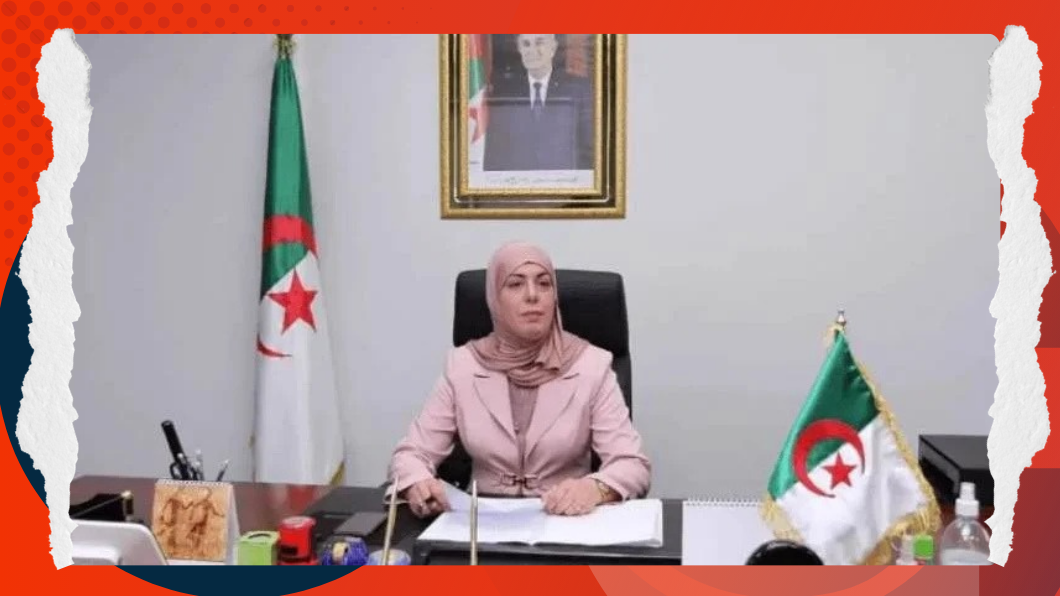
The North African nation, Algeria, recently announced the final rollout of Dzair Services during the E-commerce and Online Services Fair in Algiers. High Commissioner for Digitalization Meriem Benmouloud revealed the platform will serve as the central hub for all government digital services, ending years of fragmented online systems.
The new platform addresses a critical problem facing Algeria’s 33.49 million internet users, which is the current maze of separate government websites and portals. Citizens currently struggle to navigate multiple platforms for basic services like tax payments, business registration, and document requests.
“Algeria is experiencing a clear transition towards digitalization, requiring the combination of all efforts to achieve the expected digital transformation,” Benmouloud stated during the announcement.
Platform Connects 46 Ministries Through Fibre Network
Dzair Services builds on significant infrastructure investments the government has made across the country. Officials have already connected 46 ministries and public agencies to fibre optic networks, creating the backbone for seamless data exchange between departments.
The platform operates through an interoperability system that allows government offices to share verified data automatically. This eliminates duplicate data entry and speeds up processing times for citizens who previously had to submit the same information to multiple agencies.
Algeria launched its national data center in El Mohammedia earlier this year, with a second facility under construction in Blida. These centers will host the platform’s operations and support the government’s plan to establish a sovereign cloud for public data storage.
The Dzair Services launch forms part of Algeria’s ambitious “Algeria Digital 2030” strategy, which includes over 500 digitalization projects scheduled for completion by 2026. The government allocated 75% of these projects to improve transparency and simplify administrative procedures.
Current digital statistics show strong momentum for the platform’s success. Algeria recorded 72.9% internet penetration in 2024, with 50.65 million active mobile connections – representing 95.2% of the population. Social media usage reached 24.85 million users, indicating high digital engagement among citizens.
Remote Areas Gain Better Access to Government Services
The platform specifically targets improved service delivery for remote communities across Algeria’s vast territory. Rural areas house 24.5% of the population but often lack easy access to government offices, forcing long travels for basic administrative tasks.
Dzair Services will minimize these journeys by providing online access to services like business licensing, tax filing, and document authentication. The government expects this to boost economic activity in remote regions where businesses currently face bureaucratic barriers.
Three major mobile operators: state-owned Mobilis (22.1 million subscribers), Djezzy (15.6 million), and Ooredoo (12.9 million) provides the network infrastructure supporting mobile access to the platform across urban and rural areas.
Cybersecurity and Data Protection Drive Platform Design
Algeria implemented strict data localization requirements through Law No. 18-07, which came into force in August 2023. The law mandates that personal data must remain stored within the country’s borders, ensuring citizen information stays under national control.
The National Authority for the Protection of Personal Data (ANPDCP) oversees compliance with privacy regulations, while the National Council for Information System Security handles cybersecurity aspects. This dual-layer protection aims to build citizen trust in the digital platform.
The government’s cybersecurity strategy involves multiple agencies, with the Ministry of National Defense actively monitoring cyberspace for threats. This comprehensive approach addresses concerns about data breaches that have affected government platforms in other countries.
Economic Impact Expected Across Multiple Sectors
Dzair Services supports Algeria’s economic diversification goals as the country reduces dependence on oil exports, which currently account for 93% of total exports. The platform will enable faster business registration and licensing, potentially boosting the startup ecosystem.
The Ministry of Knowledge Economy, Startups and Microenterprises has already certified over 2,000 startups since 2020, with 7% operating in the FinTech sector. Streamlined government services could accelerate this growth by reducing bureaucratic delays.
Financial technology adoption remains limited, with only 2.8% of the population holding credit cards and 22.9% owning debit cards as of January 2024. However, 8.2% made online purchases in 2023, suggesting growing digital payment acceptance that the platform could leverage.
International Competition Drives Digital Urgency
Algeria’s digital transformation occurs amid intense international competition in the African tech market. Chinese companies like Huawei have secured major infrastructure projects, while European and South Korean firms compete actively for government contracts.
The government’s focus on digital sovereignty through platforms like Dzair Services plans to maintain control over critical digital infrastructure while reducing dependence on foreign systems. The sovereign cloud initiative supports this goal by keeping sensitive government data within national boundaries.
U.S. trade officials identify significant opportunities in Algeria’s digital market, particularly in telecommunications equipment, IT infrastructure, and cybersecurity solutions. The country’s large government procurement budget makes it an attractive target for international technology companies.
Algeria’s digital economy is expanding, with the government prioritizing technology hubs, startup incubators, and digital skills development. The success of Dzair Services will likely influence the country’s ability to attract international investment and compete regionally in digital innovation.