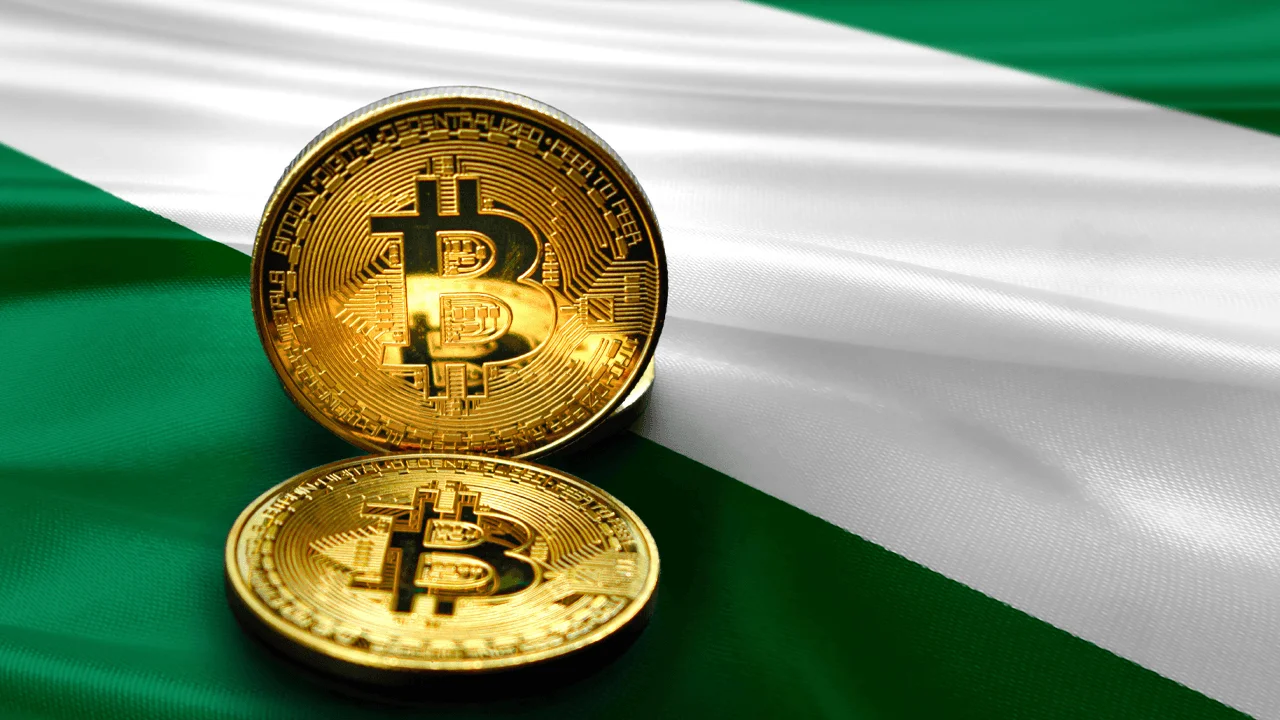
Nigeria has shifted from years of fragmented guidance to a clearer, enforceable system governing digital assets. The past year delivered the country’s most decisive move yet toward structured oversight, tightening requirements for exchanges, custodians and token issuers. As 2026 begins, the regulatory landscape is firmer than at any point in the last decade.

From an Implicit Ban to a Defined Legal Structure
For years, Nigeria’s position on crypto was shaped by warnings, restrictions and the well-known 2021 circular that instructed banks to cut off accounts linked to crypto activity. The Central Bank reversed course in late 2023 when it issued guidelines allowing banks to provide accounts to Virtual Asset Service Providers. That moment signalled the start of an official pathway for bringing operators into the financial system under regulated conditions.
The decisive legal shift arrived in March 2025 when the Investments and Securities Act 2025 came into force. For the first time, digital and virtual assets were recognised within Nigeria’s statutory securities framework. This placed the Securities and Exchange Commission at the centre of classifying tokens, approving offerings and licensing service providers. Crypto activity that once operated in a grey zone moved into a defined regulatory perimeter.
How the SEC Translated the Law Into Operational Rules
After the act was signed, the SEC issued comprehensive rules to activate the new framework. These rules explained how digital assets would be classified, how whitepapers must be reviewed, and which offerings require registration. They also created a licensing regime for both domestic and foreign exchanges and custodians that want to serve Nigerian users.
Regulators paired these rules with enforcement and education. The SEC openly warned platforms operating without authorisation, signalled plans to clean up unregulated peer-to-peer markets and launched public-facing programmes to improve investor awareness. The message was consistent throughout 2025 that compliance is no longer optional.
What the New Rules Mean for Exchanges and VASPs
Exchanges and wallet providers now face formal obligations on registration, customer due diligence, anti-money-laundering controls and periodic reporting. Platforms that historically relied on Nigerian users without meeting regulatory requirements now risk sanctions or market removal. International exchanges must either comply or accept that serving Nigerian clients comes with regulatory exposure.
Banks are also adapting to the new environment. With the 2023 guidelines still in effect, banks can engage with licensed VASPs but must strengthen monitoring, reporting and verification standards. This creates a more predictable operating corridor for compliant firms, though it increases the cost of doing business for smaller operators that lack the resources to meet regulatory expectations.
The Wider Financial Policies That Shaped 2025
Regulators view crypto activity not just as a technological issue but as part of the country’s financial-stability and anti-money-laundering agenda. Broader fiscal measures introduced in 2025, including stricter reporting thresholds and tighter monitoring of transfers, reinforced the expectation that digital-asset flows must be visible, traceable and reportable.
Taxation is emerging as the next frontier. Public commentary through 2025 indicated that tax authorities expect exchanges to provide transaction data that can inform capital-gains and income-tax assessments. As rules evolve, the anonymity associated with unregulated trading will continue to shrink, especially when users interact with licensed platforms.
What Users and Innovators Should Expect in 2026
For everyday traders, the regulatory hardening means better consumer protections on approved platforms but less tolerance for informal or unregistered services. Peer-to-peer naira trading faces increased scrutiny, and users who rely on unregulated channels may encounter restrictions or operational uncertainty.
For startups and fintechs, the environment is more predictable but also more demanding. Licensing, disclosure and compliance requirements raise the entry threshold, yet the clarity of the framework creates opportunities for institutional partnerships, product launches and cross-border collaboration.
Unanswered questions remain around how emerging token categories, decentralised finance protocols and cross-border exchanges will be treated. However, the direction is clear. Nigeria has moved from fluctuating restrictions to a rules-based ecosystem that prioritises oversight, investor protection and financial system integrity. As 2026 begins, regulation is no longer a backdrop to the crypto market. It is the foundation on which the next phase of Nigeria’s digital-asset industry will be built.