Nigeria’s Customs Service is going digital in its fight against revenue loss, and this time, it is bringing artificial intelligence into the equation.

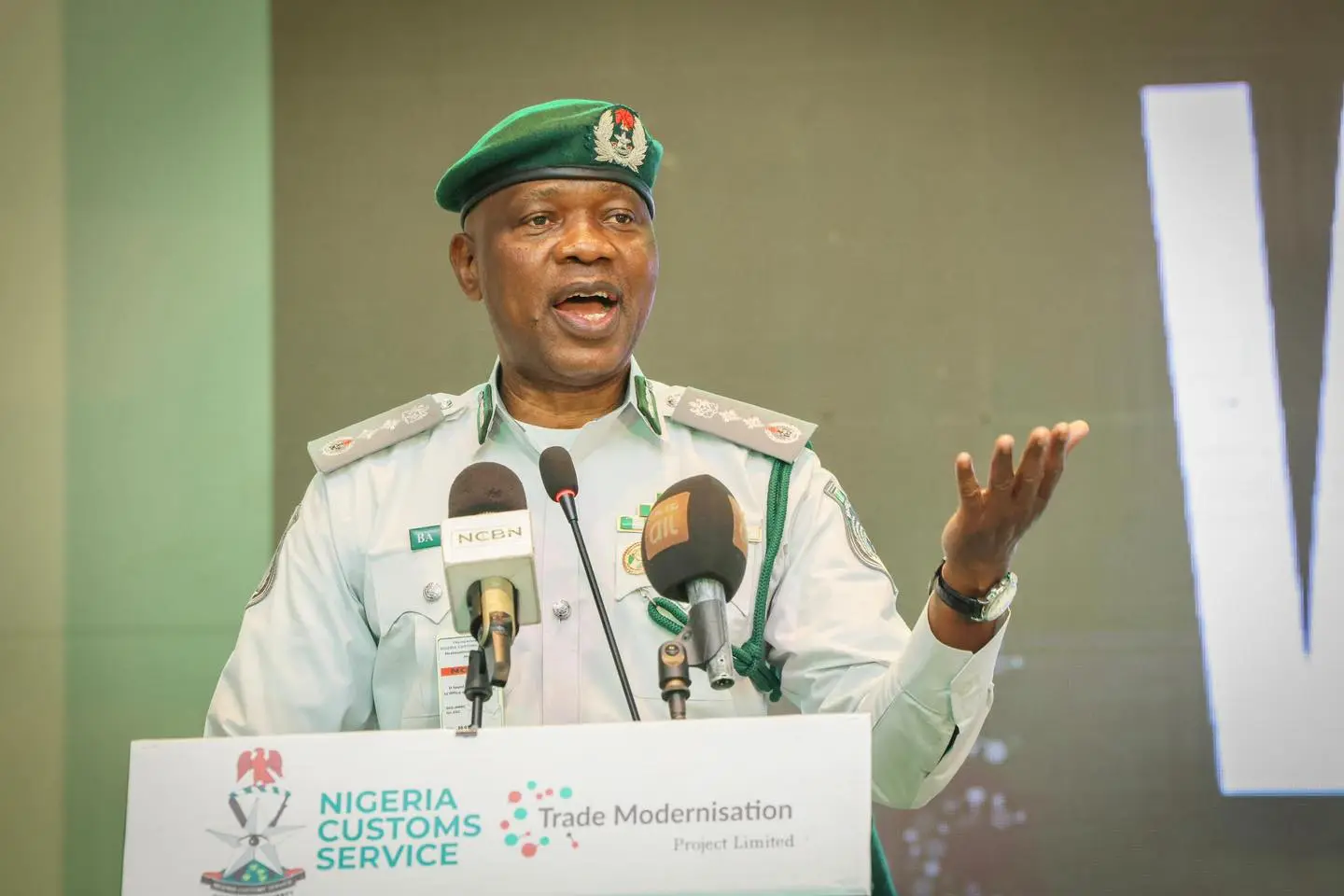
The Nigeria Customs Service launched a high-level, AI-focused capacity-building programme in Abuja on April 13, 2026, bringing together senior Customs officers, technology experts, and members of legislative oversight committees. The three-day training, centred on AI-driven revenue generation, remittances, and reconciliation, signals a decisive shift in how the agency intends to manage Nigeria’s trade revenue going forward.
From Reactive to Proactive
For years, the relationship between Customs and the National Assembly has been defined largely by summons and audit queries. Comptroller-General Adewale Adeniyi said the Service was moving from a reactive culture of responding to legislative summons toward a proactive partnership with oversight institutions. Rather than waiting to be hauled before committees, the agency is now initiating those conversations itself.
The chairman of the House of Representatives Public Accounts Committee, Bamidele Salam, noted that the frequency of infractions by the Customs Service had reduced significantly in recent years, describing the agency as reform-minded and open to innovation.
What the AI Tools Actually Do
The Comptroller-General said AI-enabled scanners are already being used to guide image analysts in predicting the nature of imported goods, and that the World Customs Organisation has integrated AI into the harmonised system for classifying goods through machine learning.
Beyond scanning, Deputy Comptroller-General Kikelomo Adeola described AI applications as supporting automated data processing, predictive intelligence modelling, and faster reconciliation systems. These capabilities directly target the gaps that have historically allowed revenue to slip through, for example, misclassified goods, inaccurate remittances, and inconsistent audit trails.
Adeniyi also stressed that revenue administration involves an interconnected value chain spanning Customs operations, collecting banks, external auditors, and National Assembly committees, and that strengthening each link in that chain is critical to ensuring leak-proof revenue collection.
The Fiscal Context
The timing matters. Salam linked the initiative to Nigeria’s broader fiscal realities, noting that with a national budget running into trillions of naira, key agencies like Customs must deliver stronger revenue performance to fund government operations. Separately, the Service is targeting ₦400 billion in excise revenue for 2026, a figure that underscores just how much pressure is riding on its ability to modernise and perform.