
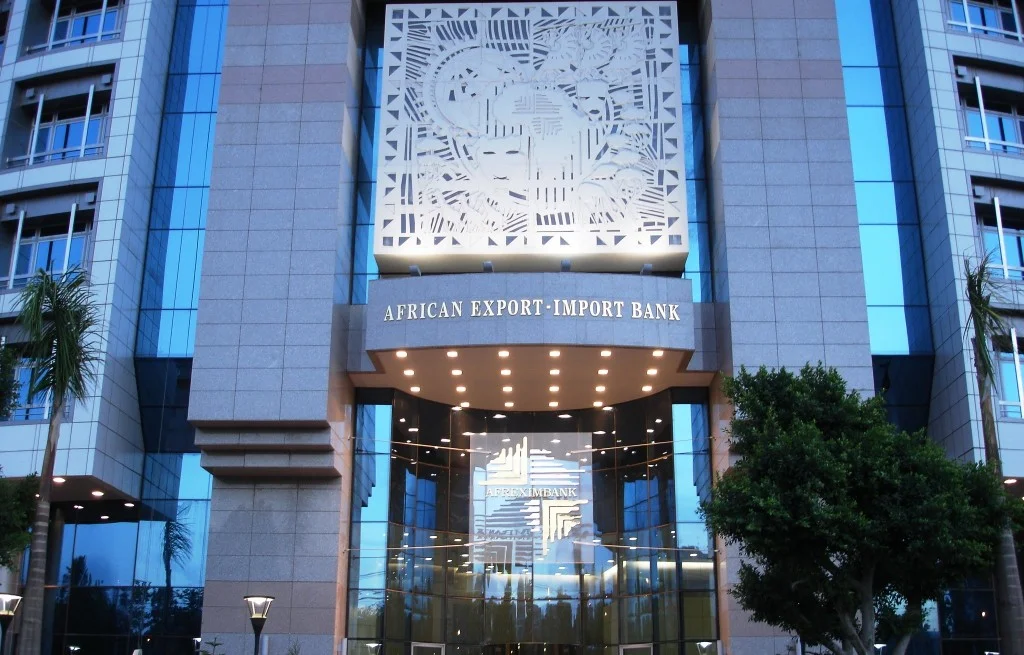
The African Export-Import Bank (Afreximbank) has moved from ambition to execution with the launch of the first cohort of its flagship accelerator programme, a targeted push to strengthen the digital infrastructure underpinning intra-African trade.

Unveiled in Cairo in March 2026, the initiative brings together eight startups selected from more than 1,600 applicants, signalling both the depth of entrepreneurial activity across the continent and the scarcity of platforms capable of scaling it.
A deliberate bet on trade infrastructure, not hype
The selected companies are not consumer-facing experiments. They are infrastructure plays, focused on solving persistent bottlenecks in African trade.
From cross-border payments and supply chain finance to digital logistics and agri-export platforms, the cohort reflects a clear thesis: Africa’s trade challenges are structural, and only foundational digital systems can address them.
Startups in the cohort include Fincart.io, OnePort 365, Timon, Zowasel, Gebeya, Fluna, Capsa Technologies, and Daba Finance, with operations spanning more than 15 countries across key trade corridors.
This spread is intentional. It mirrors the fragmented nature of African markets and the need for solutions that can operate across jurisdictions rather than within them.
Capital is only part of the equation
Each participating startup is eligible for up to $250,000 in investment, but the programme’s real value lies elsewhere.
Afreximbank is offering what many African startups lack: structured access to markets, regulators, and trade networks. Founders will tap into the bank’s relationships with governments, financial institutions, and corporates, as well as integration pathways into platforms such as the Africa Trade Gateway and the Pan-African Payments and Settlement System.
This approach positions the bank less as a financier and more as an ecosystem builder, helping startups navigate licensing, compliance, and cross-border expansion, areas where many promising ventures typically stall.
Aligning with AfCFTA’s unfinished promise
The timing is not accidental. The rollout of the African Continental Free Trade Area continues to face practical constraints, including fragmented payment systems, inefficient logistics, and limited access to trade finance.
By backing startups building digital rails for trade, Afreximbank is effectively outsourcing part of the continent’s integration challenge to entrepreneurs.
The logic is straightforward. Policy frameworks alone cannot deliver integration. Execution happens through businesses that can move goods, settle payments, and unlock liquidity across borders.
A small cohort with outsized expectations
Eight startups will not transform African trade on their own. Even Afreximbank acknowledges this implicitly. The programme is a pilot, not a panacea.
Yet the early signals are notable. Some of the cohort companies have already demonstrated traction, processing billions in transactions or facilitating tens of millions of dollars in trade flows across multiple countries.
If the model works, the real test will be scale. Can Afreximbank expand this pipeline fast enough to match the demand revealed by over 1,600 applications? And can these startups survive the regulatory and operational complexity of operating continent-wide?
From lender to ecosystem architect
For decades, Afreximbank has focused on financing trade. This accelerator marks a shift upstream, toward enabling the systems that make trade possible in the first place.
It reflects a broader recalibration in development finance, where institutions increasingly act as connectors of capital, technology, and markets rather than just providers of funding.
In that sense, the inaugural cohort carries more than startup ambition. It represents a test of whether Africa’s digital layer can finally catch up with its trade ambitions.