
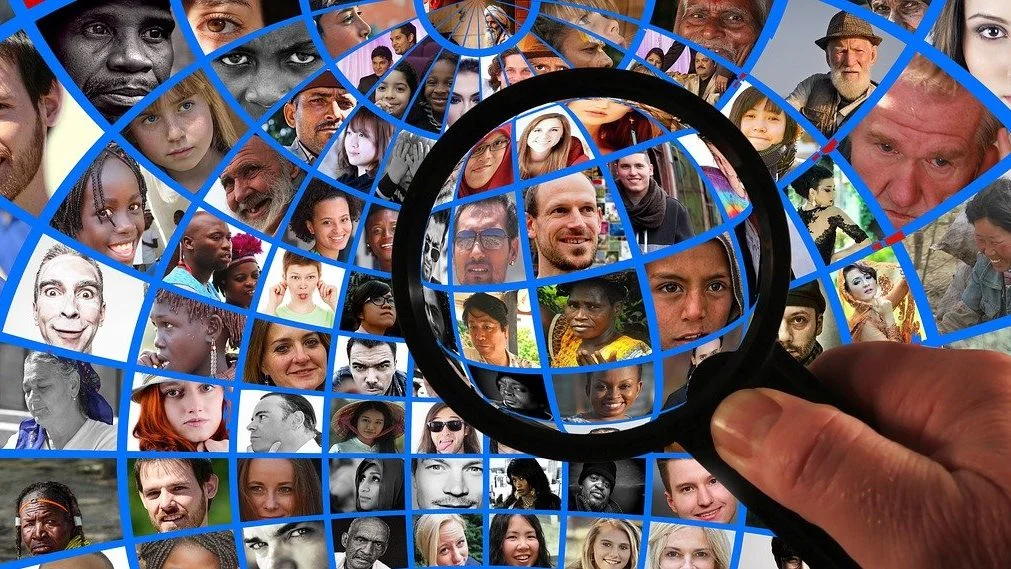
Right now, as you read this on your phone, someone is packaging your data and selling it to the highest bidder. And you permitted them when you clicked “Accept” without reading a single line.
What Really Happens When You Click
Every day, whether you’re checking your bank app, shopping on Jumia, or browsing Nairaland, you click “I Agree” without reading the terms. After all, who has time to read 50 pages of legal jargon just to check your account balance?
But that one click changes everything.
The moment you press “Accept,” your phone begins sharing information you never imagined: your precise location (down to the exact street in Lekki or Enugu), your phone model, every app you’ve installed, the things you search for at 2 am, your photo gallery, your entire contact list including that ex you’ve been avoiding, and even how fast you type.
For banking apps and fintech services like OPay, PalmPay, or Kuda, the data collection goes deeper. They can see your spending patterns, estimated salary, who you send money to regularly, what time of month your account balance is highest, and your complete financial behaviour.
Where Your Data Actually Goes
One Nigerian fintech startup was recently discovered sharing customer data with over 40 different third parties. Your information gets sold to advertising companies, data brokers (people whose entire business is buying and selling your information), foreign companies in America, China, or India, and partner companies that weren’t mentioned in the terms you didn’t read.
Your information collected in Lagos might be sitting on a server in Singapore or Ireland, completely beyond Nigerian law. And there’s virtually nothing you can do about it once you’ve clicked “Accept.”
How They Use It Against You
Aggressive advertising: You search for wedding rings once, and every app shows you wedding vendors for months. Some companies track when you receive a salary and increase ads during that period because algorithms know you’re more likely to spend.
Price discrimination: Someone using an iPhone might see higher prices than someone using a Tecno phone for the same product. The algorithm calculated that iPhone users have more money. Premium neighbourhoods like Victoria Island might see higher prices than Mushin for identical items.
Predatory loan apps: Those quick loan apps collect your contacts and harass your boss, pastor, and family members if you default. Some access your photos and create fake “wanted” posters. The National Human Rights Commission has received thousands of complaints, but many apps operate from outside Nigeria.
Job screening: That controversial tweet from 2015 or party photo on Facebook can cost you a career opportunity. Landlords now check digital footprints before renting. Insurance companies adjust premiums based on your data.
Financial profiling: Banks analyse your transactions and might deny you loans because you frequently bet on sports platforms or send money to certain accounts, all without your knowledge.
The Nigerian Reality Everyone Ignores
While Europe has GDPR laws that fine companies billions for misusing data, Nigeria is still struggling. We have the Nigeria Data Protection Act and the Nigeria Data Protection Commission, but enforcement remains weak.
Most Nigerian companies collect your data without proper security. How many Nigerian websites use proper “https” encryption? Your information flies across the internet unprotected.
The fintech boom created a data gold rush. Every app wants your BVN, NIN, phone number, and bank details. But we’ve seen multiple cases where customer databases leak online. Your complete details end up in Telegram groups where fraudsters buy them cheaply.
Remember when millions of Nigerian voter registration details appeared online? Or the numerous cases of bank customer data being sold to scammers? These aren’t isolated incidents.
The Hidden Costs You’re Paying
Your data has real monetary value, but you’re giving it away for free while others profit. International tech companies generate billions from Nigerian users’ data through advertising, yet pay minimal taxes here.
Meanwhile, you bear the costs: unwanted calls from telemarketers, spam emails, targeted scams, embarrassment from loan app harassment, and potential identity theft. Some Nigerians have had unauthorised accounts opened using their stolen BVN and NIN details.
What You Can Actually Do
Before clicking “Accept”: Read at least the key sections about data sharing and storage. If a calculator app wants access to your contacts and location, that’s a red flag.
Manage app permissions: Regularly review what permissions you’ve granted. Does your flashlight app need your contacts? Does a game need your precise location? Disable unnecessary permissions.
Be strategic: Use separate emails for different purposes, provide only required information when creating accounts, be cautious about linking accounts across services, think twice before providing your BVN or NIN unless legally necessary, and avoid Facebook personality quizzes because they’re data harvesting tools.
For loan apps specifically: Only download apps from companies registered with the Central Bank of Nigeria, read reviews for harassment complaints, and screenshot all loan agreements.
The Uncomfortable Truth
Here’s what’s frustrating: you don’t actually have a choice. Try opening a bank account without your BVN. Try using government services without your NIN. Try functioning in modern Nigeria without WhatsApp or banking apps.
The “consent” you give isn’t really consent when the alternative is exclusion from essential services. It’s coercion dressed up as choice. Individual action matters, but we need regulatory frameworks that protect citizens by default.
The Bottom Line
The next time you see that “Accept” button, pause. Remember, you’re entering into a relationship with an entire data economy, one that extracts value from your information while bearing none of the risks when things go wrong.
In Nigeria, where data protection is weak, every click matters more. Your information is being sold for far less than it’s worth. When data breaches happen (not if, but when), you’ll deal with the consequences while companies issue hollow apologies.
They’re selling your data for peanuts. The least you can do is know what you’re giving away. Because once you click “Accept,” getting that data back is virtually impossible.
Your data is valuable, so start treating it that way.