Tech Revolution Africa 2.0 opened in Lagos with a clear focus on moving Africa’s tech conversation from ambition to execution. Held at the Landmark Event Centre, the two day conference brought together enterprise leaders, policymakers, founders, students, and young builders to examine what this next phase of growth could look like in practice. Across keynotes, panels, and live debates, one message kept surfacing. Africa is already in the race for the next tech phase, and falling behind is no longer an option.

A conference built for practical conversations
Tech Revolution Africa was created to bridge a familiar gap in the ecosystem. Big ideas often dominate the conversation, but the path from discussion to deployment is usually less clear. Now in its second edition, the conference positioned itself as a space for practical thinking, bringing decision makers and builders into the same room to talk through what actually works. This year’s focus reflected a growing maturity in Africa’s tech ecosystem. Less emphasis on possibility. More attention on systems, leadership, and execution.
The programme leaned heavily into enterprise scale, policy alignment, and real world adoption of emerging technologies like artificial intelligence. Sessions explored how organisations are using data, automation, and infrastructure to grow sustainably, while also acknowledging the constraints unique to African markets. From boardroom-level strategy to early talent conversations, the event framed technology as a tool that must be shaped deliberately, not admired from a distance.

Global trends through an African lens

A recurring theme across the day was how African markets should engage with global technology trends without losing sight of local realities. Speaking on the intersection of global innovation and African needs, Soji Maurice Diya, CEO of ntel, warned against the instinct to simply localise existing global tools. He argued that creating Nigerian versions of foreign products without first understanding local problems ultimately does a disservice to the market. For him, meaningful innovation begins with context. Solutions must be built around African behaviours, constraints, and priorities, rather than adapted after the fact.
Leadership in a defining moment
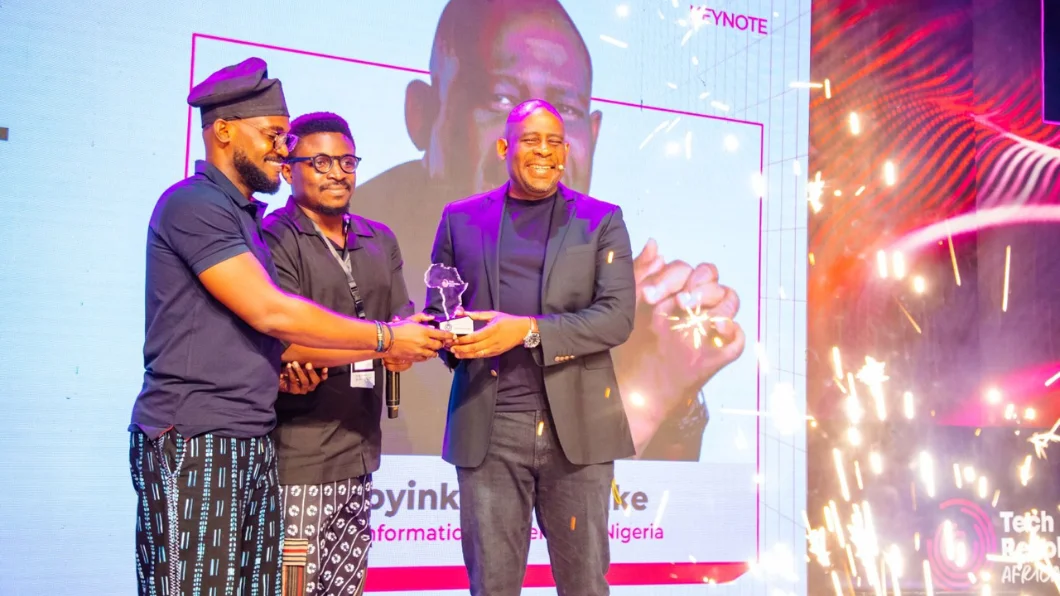
That emphasis on context was reinforced during the conversation on leadership and transformation. Shoyinka Shodunke, Chief Information Officer at MTN Nigeria, described the current moment as the fourth major technological revolution globally. He noted that Africa has missed previous waves of transformation, and warned that failing to engage fully this time would have lasting consequences for businesses and economies on the continent. His message was clear. Leadership, not technology alone, will determine whether Africa keeps pace or falls behind.
Trust, funding, and the human side of capital
Trust and credibility were central to the discussion on funding, particularly during the panel on tapping into Africa’s growing venture capital economy, estimated at $18 billion. Ike Eze challenged the idea that access to capital is determined by nationality. According to him, investors fund people they are comfortable with. Beyond ideas and pitch decks, capital flows to founders who inspire confidence, because investment is as much about belief in the individual as it is about belief in the venture.

Scaling enterprises with artificial intelligence

The conversation on artificial intelligence brought many of these themes together. During the panel on scaling Africa’s enterprises with AI, Dr. Mrs. Onyia, CEO of Vennote, emphasised that adoption is inevitable. The question for African businesses, she noted, is not whether AI is necessary, but when they choose to begin. Delaying that decision only widens the gap between organisations prepared for scale and those left reacting too late.
Why Tech Revolution Africa 2.0 matters now
Taken together, the conversations at Tech Revolution Africa 2.0 pointed to a clear shift in tone across the ecosystem. The focus is no longer on whether Africa belongs in global tech conversations, but on how deliberately it chooses to participate. From leadership and funding to infrastructure and artificial intelligence, speakers repeatedly returned to the same idea. Progress depends on readiness, clarity, and the willingness to act before conditions feel perfect.
The event also reflected a growing maturity in how African technology leaders are framing the future. Even the inclusion of students and young debaters signalled an understanding that Africa’s next tech phase will be shaped as much by today’s learners as by today’s executives.
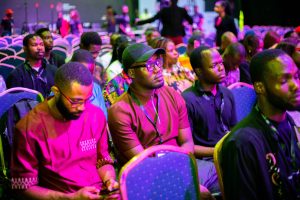
As Africa enters another period of global technological change, Tech Revolution Africa 2.0 served as a timely reminder. The tools are evolving quickly, but outcomes will still be determined by leadership, context, and execution. For many who were in the same room I was, the challenge ahead is about choosing not to sit this one out.