
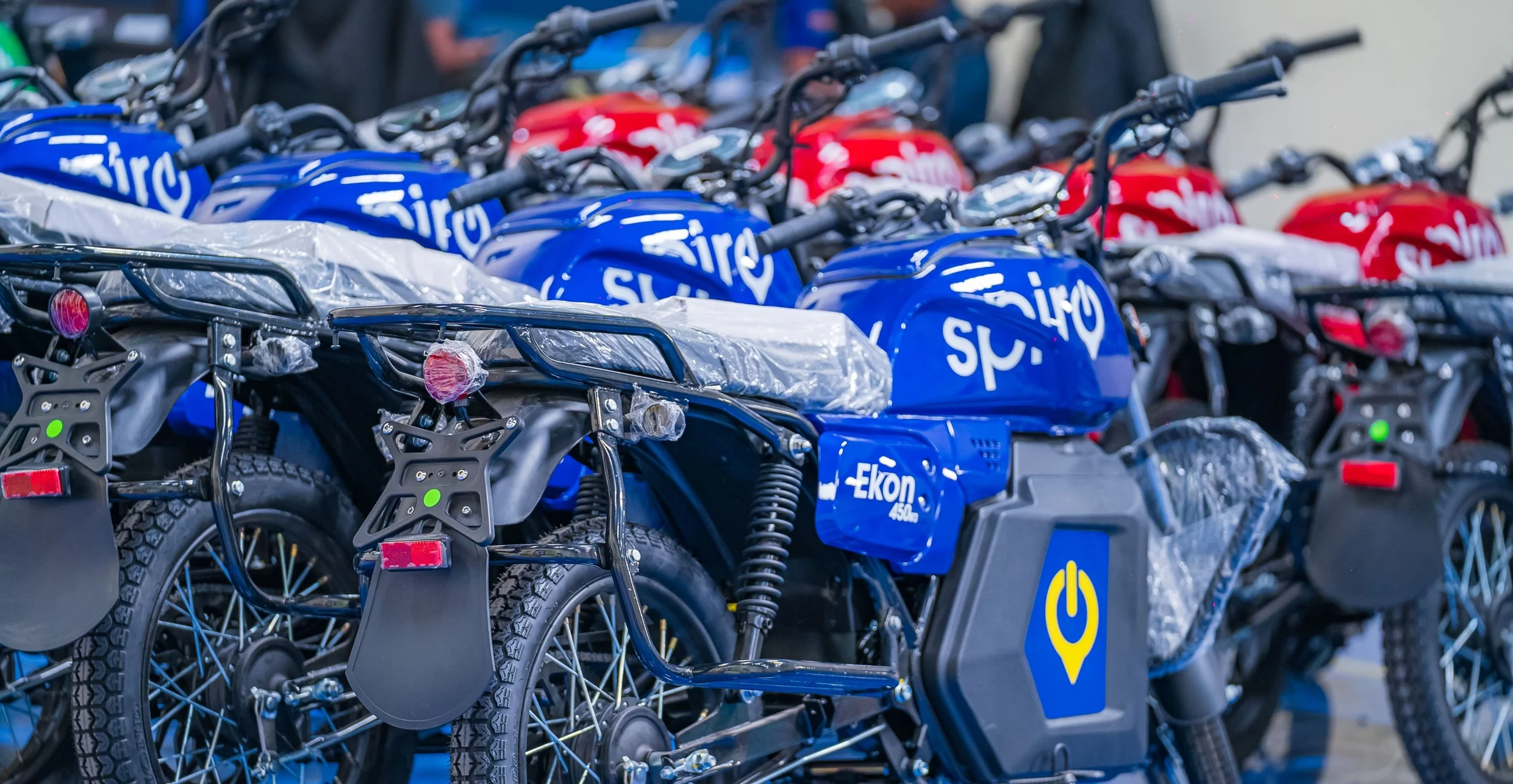
Spiro has secured $50 million in new funding to accelerate the expansion of its battery-swapping network and electric mobility operations across Africa. The capital injection strengthens the company’s position as one of the continent’s most active builders of electric vehicle infrastructure.

Spiro operates a battery-swapping model primarily focused on electric motorcycles. Instead of charging vehicles for hours, riders swap depleted batteries for fully charged ones within minutes. This approach is designed to address one of the biggest barriers to electric vehicle adoption in Africa: limited charging infrastructure and long charging times.
Building The Infrastructure Layer For Electric Mobility
Electric mobility in Africa faces structural challenges. Unstable power supply, limited public charging stations, and high upfront vehicle costs have slowed adoption. Battery swapping offers an alternative model that reduces downtime and supports high-usage commercial riders.
By expanding its swapping stations across multiple African markets, Spiro is not just deploying vehicles. It is building an energy distribution network tailored for two- and three-wheel transport operators.
Infrastructure ownership is critical in this space. Without reliable access to batteries and charging points, electric mobility cannot scale sustainably.
Positioning Within Africa’s Urban Transport Economy
Motorcycles form a significant part of urban transport systems across Africa, particularly in last-mile delivery, ride-hailing, and informal logistics. These operators depend on speed, cost efficiency, and daily reliability.
Spiro’s model aligns with this economic reality. Battery swapping reduces wait times and allows riders to maintain continuous operations, which directly affects income stability.
The funding will allow the company to increase battery inventory, expand swapping locations, and strengthen operational capacity in key cities.
A Signal Of Investor Confidence In Clean Mobility
The $50 million raise also signals growing investor confidence in Africa’s clean transport transition. As fuel prices fluctuate and climate considerations gain regulatory attention, electric mobility solutions are increasingly viewed as long-term alternatives to petrol-powered fleets.
Investors backing infrastructure-focused models suggest a belief that Africa’s electric mobility future will depend less on individual vehicle sales and more on scalable energy networks.
What This Means For Africa’s Mobility Ecosystem
Spiro’s expansion reflects a broader shift toward infrastructure-led innovation. Electric mobility adoption requires more than vehicles. It requires consistent, accessible energy distribution.
If successfully deployed at scale, battery-swapping networks could reshape how commercial transport operates across major African cities.
For startups operating in logistics, delivery, and ride-hailing, reliable electric infrastructure could lower operating costs and reduce exposure to fuel price volatility.
Spiro’s latest funding round therefore represents more than startup growth. It highlights how infrastructure investment is becoming central to Africa’s evolving mobility ecosystem.