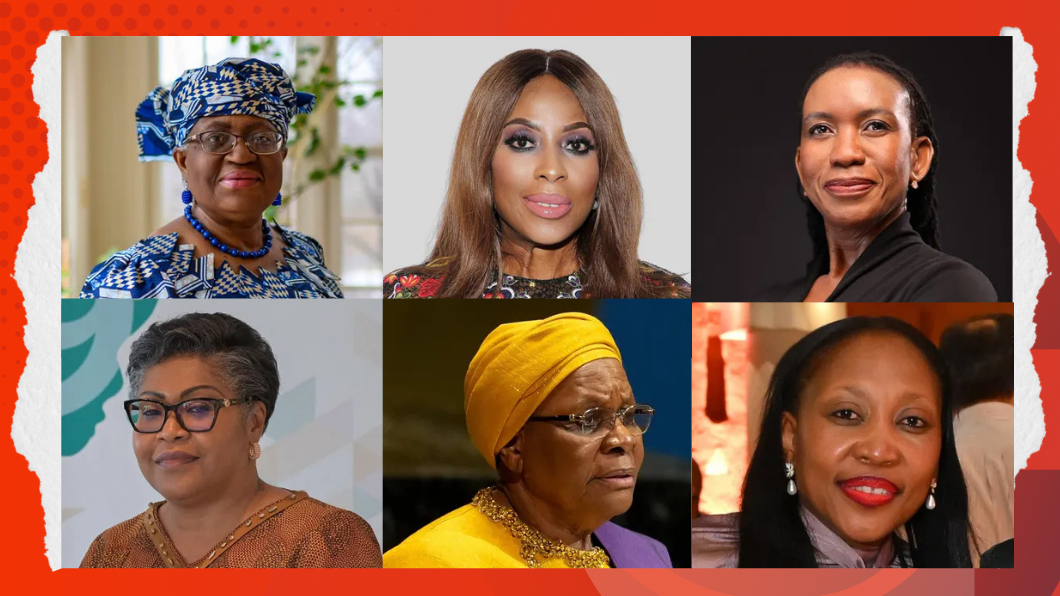
African women secured six spots on Forbes’ 2025 World’s Most Powerful Women list, proving their influence remains strong even as women worldwide face unprecedented job losses and rising workplace discrimination.

The annual Forbes ranking, which measures money, media presence, impact, and spheres of influence, featured 100 women who collectively command $37 trillion in economic power. Among them, six African leaders stand out for their remarkable achievements across politics, finance, and media.
1. Ngozi Okonjo-Iweala
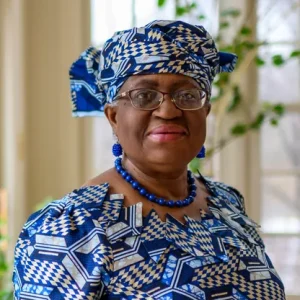
Ngozi Okonjo-Iweala maintains her position as World Trade Organization Director-General, marking her eighth appearance on the Forbes list. The former Nigerian finance minister continues to champion global trade reforms while addressing developing nations’ economic challenges.
Her influence extends far beyond trade policy. In 2010, she led the World Bank’s successful fundraising campaign that secured $49.3 billion in grants and low-interest loans for the world’s poorest countries. Her continued presence on international stages reinforces Africa’s voice in global economic discussions.
2. Mo Abudu
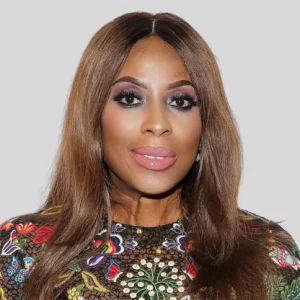
Mo Abudu ranks 98th on the Forbes list as founder and CEO of EbonyLife Media. The Nigerian entrepreneur has transformed African entertainment through her media empire, which spans television, film production, and streaming services.
TIME Magazine named Abudu one of its “100 Most Influential People in the World” for 2025, recognizing her role in elevating African stories globally. Her recent launch of the $50 million Afro Film Fund aims to produce African-origin content for worldwide audiences, further expanding the continent’s cultural influence.
3. Mary Vilakazi
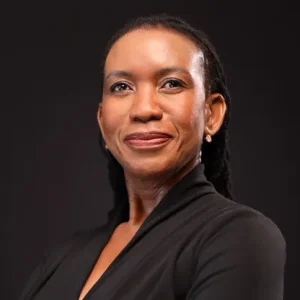
Mary Vilakazi made history in April 2024 when she became CEO of FirstRand Group, South Africa’s largest bank by market value. At just 47, she leads a financial giant managing 2.5 trillion rand ($150 billion) in total assets.
Her journey from PwC partner at age 27 to banking CEO showcases her rapid rise through South Africa’s financial sector. Under her leadership, FirstRand reported headline earnings of R45.1 billion, demonstrating strong performance despite economic challenges.
The banking executive recently received the prestigious Greg Boyd Award at the 2024 Association of Black Securities and Investment Professionals Awards, recognizing her exceptional leadership in financial services.
4. Judith Suminwa Tuluka
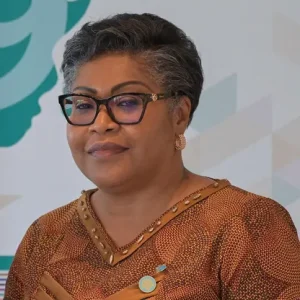
Judith Suminwa Tuluka broke through another glass ceiling when she became the Democratic Republic of Congo’s first female Prime Minister in June 2024. The economist and former UN Development Programme official brings decades of experience in public finance and program evaluation to her role.
Tuluka’s appointment signals a significant shift in Central African politics, as she leads a country of over 100 million people through economic and social challenges. Her expertise in budget control and state coordination positions her to tackle Congo’s complex governance issues.
5. Netumbo Nandi-Ndaitwah
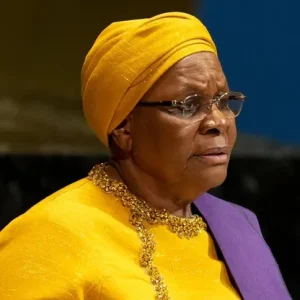
Netumbo Nandi-Ndaitwah secured her place in history by winning Namibia’s presidential election with 58% of the vote. Sworn in as president in March 2025, she becomes only the second woman to hold this position across all of Africa.
The former freedom fighter and longtime SWAPO party member brings extensive diplomatic experience to the presidency. She has already focused on reducing Namibia’s debt burden, demonstrating her commitment to fiscal responsibility. Her election victory came after decades serving in various ministerial roles, including foreign affairs and environment.
6. Mpumi Madisa

Mpumi Madisa continues to lead Bidvest as CEO, overseeing 130,000 employees across the diversified South African conglomerate. Since taking charge in 2020, she has guided the company back to profitability while expanding its global operations.
Her rise through Bidvest’s ranks from client relations manager to CEO demonstrates her operational expertise and strategic vision. As the first Black woman to head a top-40 JSE-listed company, Madisa serves as a role model for aspiring corporate leaders across Africa.
Breaking Barriers Despite Global Challenges
These six African women succeed during a particularly difficult period for female professionals worldwide. Between January and October 2025, approximately 500,000 women in the United States alone left their jobs, representing one of the worst declines in decades.
McKinsey and Lean In research show that only 54% of businesses currently prioritize helping women advance in their careers, down from 90% four years ago. The UN has also highlighted rising online sexism and the growing toxicity of the “manosphere” affecting workplace environments globally.
Yet these African leaders demonstrate that women continue to reach the highest levels of power across diverse sectors. Their achievements span traditional male-dominated fields like banking and politics, as well as emerging industries like digital media and entertainment.
Economic Impact Across Sectors
The collective influence of these six women extends across multiple African economies. Vilakazi’s FirstRand serves millions of customers across South Africa’s financial system. Tuluka leads policy decisions affecting Central Africa’s largest country by population. Nandi-Ndaitwah guides Namibia’s mineral-rich economy during a period of potential oil discoveries.
Madisa’s Bidvest operates across numerous African countries, providing essential services from cleaning to food distribution. Okonjo-Iweala’s WTO role affects trade policies impacting all African nations. Abudu’s media content reaches audiences across the continent and diaspora communities worldwide.
Their combined leadership demonstrates Africa’s growing influence in global business, politics, and culture. As these women continue breaking barriers, they create pathways for the next generation of African female leaders.