
Techsoma Homepage
  • Policy & Regulations
  • Artificial Intelligence
  • Reports
  • Policy & Regulations
  • Artificial Intelligence
  • Reports
Home Artificial Intelligence

Google’s AI Try-On Now Works With a Selfie, No Full-Body Photo Needed

Google expands virtual clothing try-on across Search and Shopping using AI-generated full-body avatars from selfies

by Onyinye Moyosore
December 12, 2025
in Artificial Intelligence
Reading Time: 2 mins read
Techsoma Africa

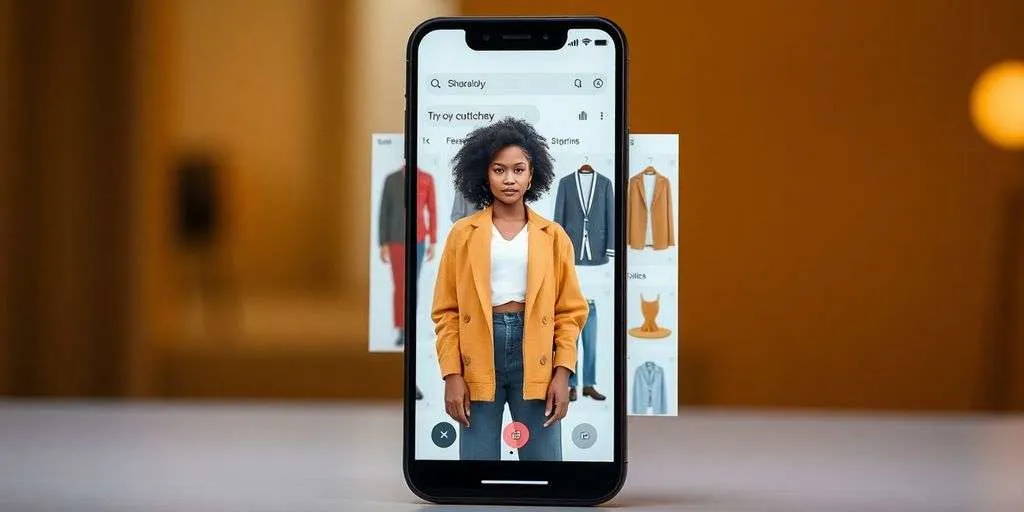
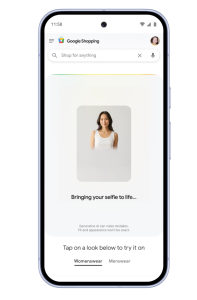
Google has expanded its AI-powered virtual try-on feature so shoppers can now preview clothes using just a selfie. Users no longer need to upload a full-body photo. Instead, they take a simple headshot, enter their clothing size, and Google generates a full-body digital version of them to model outfits across Google Search, Shopping, and Images.

The update relies on Google’s latest image-generation models. After a selfie is uploaded, the system creates realistic full-body visuals in different poses, showing how selected outfits may fit and drape. Users can save a preferred image and reuse it as a default try-on avatar while browsing multiple clothing items.

Announcing the update, Google explained the motivation clearly. “Now if you don’t have a full body photo of yourself, you can use a selfie,” the company said. “Our latest image models generate a full body digital version of you so you can try on outfits more easily.”

Why This Update Changes Online Fashion Shopping

Fit uncertainty remains one of the biggest barriers to buying clothes online. Many shoppers hesitate because they cannot picture how an outfit will look on their own body. While virtual try-on tools already exist, asking users for full-body photos has slowed adoption due to privacy concerns and inconvenience.

By reducing the process to a selfie, Google lowers that barrier significantly. The simpler workflow could improve buyer confidence, reduce returns, and make online shopping feel less risky. For retailers, better visualisation often leads to higher conversion rates and fewer disappointed customers.

The move also fits Google’s wider strategy. Rather than pushing shoppers toward separate apps or brand-specific tools, Google is embedding AI directly into search and discovery. That matters because most shopping journeys begin there.
Techsoma Africa

Where The Feature Is Available

The selfie-based try-on feature is currently available in a limited set of markets. These include the United States, the United Kingdom, Canada, Australia, India, and Japan. Users must be signed into a Google account and browsing supported clothing listings to access the “Try it on” option.

At the moment, the feature is not available in Africa. Google has not shared a timeline for expanding the tool to African markets.

Who Benefits From The Change

Shoppers in supported countries get a faster and less intrusive way to preview clothing before buying. Fashion brands and retailers gain access to advanced fitting visuals without building their own virtual try-on systems. Smaller merchants, in particular, may benefit from having high-end AI tools surfaced directly within Google search results.

What Comes Next

Google is expected to roll out the feature to more regions over time while refining realism and fit accuracy. As AI-driven shopping tools improve, virtual try-on is likely to become a standard part of how people browse and buy clothes online, rather than a novelty feature.

Onyinye Moyosore

Onyinye Moyosore

Onyinye Moyosore is a tech writer at Techsoma, where she covers startups, digital infrastructure, and how technology reshapes everyday life...

Recommended For You

ai-layoffs-in-tech-real-reason-behind-the-cuts
Artificial Intelligence

The Real Story Behind Job Layoffs and Why Your Skills Still Matter

by Faith Amonimo
April 28, 2026

Tech job cuts did not surge because software suddenly learned to do whole jobs on its own. Many employers cut staff to control costs after the post-pandemic hiring rush, reshape...

Read moreDetails
Elon Musk OpenAI lawsuit

Elon Musk vs. OpenAI: The Trial That Could Redefine the Future of Artificial Intelligence

April 27, 2026
Techsoma Africa

OpenAI Builds a Smarter ChatGPT With Hiro, a New $100 Pro Tier, and Careful Ad Plans

April 22, 2026
Claude Opus 4.7 launch

Anthropic Releases Claude Opus 4.7, Its Most Capable Publicly Available AI Model

April 16, 2026
Comptroller-General Adewale Adeniyi

Nigeria Customs Service Deploys AI to Close Revenue Leakages and Strengthen Fiscal Accountability

April 16, 2026
Next Post
K-Elec launch in Kenya

Kenya Launches K-Elec as Electronics Manufacturing Gains Momentum

Nigeria and France Digital tax agreement

Nigeria–France Digital Tax Deal Triggers Sovereignty and Transparency Debate

Leave a Reply Cancel reply

Your email address will not be published. Required fields are marked *

Subscribe to our Newsletter

Recent News

ai-layoffs-in-tech-real-reason-behind-the-cuts

The Real Story Behind Job Layoffs and Why Your Skills Still Matter

April 28, 2026
Online betting regulation in Africa

How Africa Is Taking Back Control of Online Betting

April 28, 2026
Kiwe Co-founders

Kiwe wins final CBE approval to launch its app and card in Egypt

April 28, 2026
Mastercard LOGO

Mastercard is scaling up in South Africa as faster payments and fintech deals grow

April 28, 2026
Techsoma Africa

Google opens 100,000 free tech scholarships in Ghana

April 28, 2026
Techsoma Africa

Techsoma Africa reports on startups, fintech, AI, digital policy, and the builders shaping Africa’s innovation economy.

Facebook X-twitter Instagram Linkedin

Company

About

Contact

Advertise

Site Map

Coverage

Startups

Fintech

Artificial Intelligence

Reports

Resources

Privacy Policy

RSS Feed

News Sitemap

Policy & Regulations

Copyright 2026 Techsoma Africa. All rights reserved.

No Result
View All Result
  • Reports
  • Policy & Regulations
  • Artificial Intelligence
  • About
  • Contact
  • Advertise

Copyright 2026 Techsoma Africa. All rights reserved.