
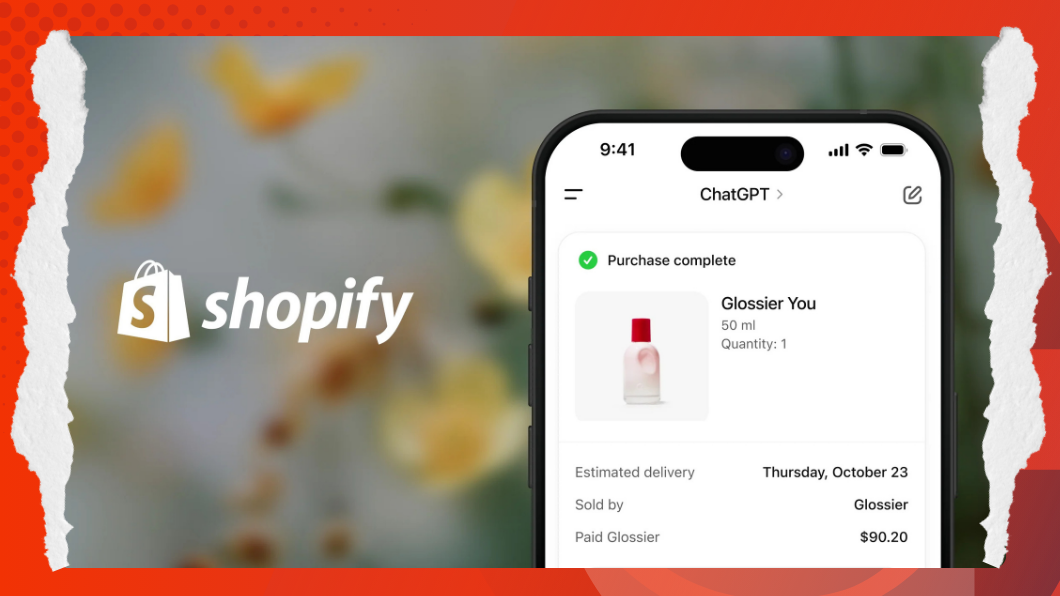
Online stores can now sell products directly through popular AI chatbots, such as ChatGPT, Perplexity, and Microsoft Copilot, with just a one-time setup. Shopify announced this in its latest Winter 2026 Edition update, introducing what it calls “agentic storefronts” to help merchants reach customers wherever AI conversations happen.

The Canadian e-commerce platform revealed over 150 product updates in its biannual newsletter, but the agentic storefront feature stands out as the biggest move toward AI-driven commerce. CEO Tobi Lütke says Shopify is making every store “agent-ready by default.”
How Shopify Agentic Storefronts Work for Merchants
Merchants only need to set up their product pages once through Shopify Catalogue. The system then automatically shares products across multiple AI platforms, eliminating the need for separate integrations for each chatbot.
The setup process involves defining a product schema, a machine-readable code that AI agents can understand. Merchants organize products by attributes and metafields, making it easier for AI systems to present relevant items when users search.
AI agents pull more than just product information. They access merchant policies, frequently asked questions, and brand voice to answer customer questions naturally. This gives merchants insights into search trends and customer interests they never had before.
When customers buy through AI chatbots, merchants pay OpenAI a small fee per completed purchase. The service stays free for shoppers and doesn’t change product prices or influence AI recommendations, according to OpenAI’s announcement.
Shopify Sidekick Gets Major AI Upgrades
Alongside agentic storefronts, Shopify enhanced its AI assistant Sidekick with several new capabilities. Merchants can now talk directly to their store themes using natural language commands like “make this button rounded” instead of manually changing code.
The updated Sidekick includes three key features:
Pulse delivers personalised advice based on individual store performance and data. Instead of generic tips, merchants get specific recommendations for their business situation.
Flow automates routine tasks through simple descriptions. Merchants can set up automations like “tag customers who spend over $200” without technical knowledge.
Custom app builder lets merchants create basic apps for their Shopify admin using prompts instead of hiring developers.
Market Impact of AI-Powered Shopping
The agentic AI market in retail and e-commerce reached $46.74 billion in 2025 and is projected to hit $175.11 billion by 2030, according to Mordor Intelligence research. This shows how quickly AI shopping assistants are becoming essential for online businesses.
McKinsey research indicates that agentic commerce creates hyperpersonalized experiences and autonomous transactions. Customers can discover products through natural conversations rather than traditional keyword searches.
For merchants, this shift means reaching customers who prefer asking AI assistants for product recommendations over browsing traditional e-commerce sites. The integration captures sales that might otherwise go to competitors appearing in AI search results.
Expanding Beyond ChatGPT Integration
Shopify built on its September partnership with OpenAI’s ChatGPT shopping experience. The initial integration required individual merchant applications, but agentic storefronts scale this automatically across Shopify’s entire merchant base.
More AI platforms will join ChatGPT, Perplexity, and Microsoft Copilot soon. Shopify Vice President of Product Vanessa Lee says the company ensures merchants “show up strong” in new shopping experiences that appear frequently.
Technical Setup Requirements for Merchants
Setting up agentic storefronts requires minimal technical knowledge. Merchants define their product schema through Shopify’s admin panel, organizing items by categories and attributes that AI agents can understand.
The system syncs live product data including pricing, inventory levels, and shipping information. When customers view products in AI chats, they see current availability and accurate details without manual updates from merchants.
Shopify handles the technical integration with each AI platform automatically. Merchants don’t need separate API connections or custom development work to appear in multiple AI assistants simultaneously.
Revenue Model and Cost Structure
OpenAI charges merchants a transaction fee for completed purchases through ChatGPT, but the exact percentage remains undisclosed. This creates a performance-based cost structure where merchants only pay when AI referrals convert to actual sales.
The model differs from traditional advertising, where businesses pay for clicks or impressions regardless of outcomes. Merchants can track which AI platforms drive the most revenue and adjust their product presentations accordingly.
Shopify’s agentic storefront feature comes included with existing Shopify plans. Merchants don’t pay additional platform fees to access AI chatbot sales channels, making it accessible for businesses of all sizes.