
For decades, moving money between African borders has been a lesson in patience and high fees. Due to the aging SWIFT network, a transfer from Lagos to Nairobi often had to travel through “correspondent banks” in London or New York before returning to the continent.

But the “Lagos-London-Nairobi” route is finally facing obsolescence.
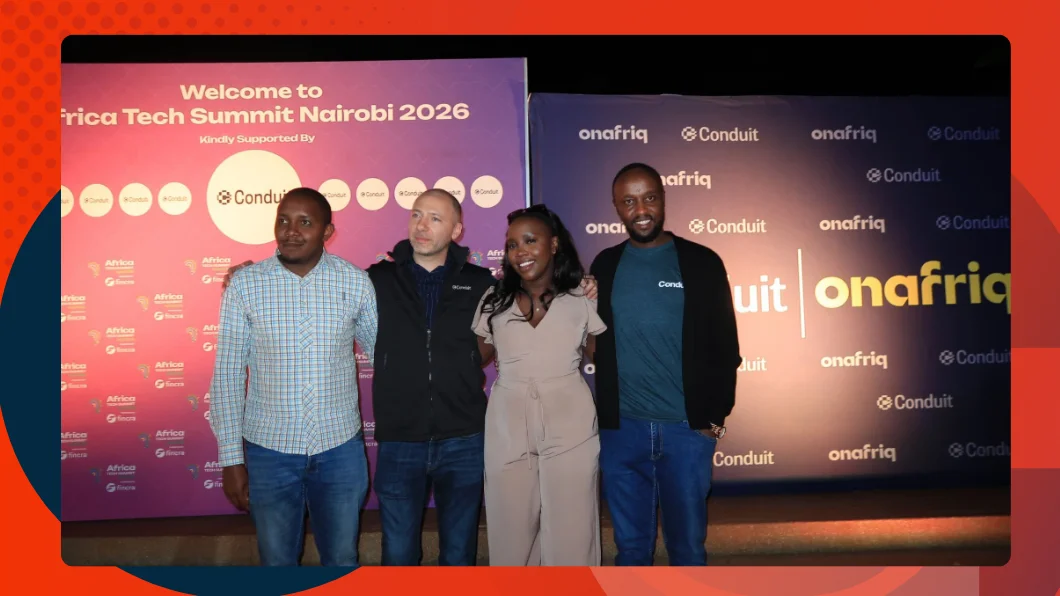
Onafriq, the African payments giant connecting over a billion mobile money wallets, has announced a landmark partnership with Conduit, a crypto-infrastructure specialist. The goal? To swap slow, legacy banking rails for the speed and transparency of blockchain-based stablecoins.
The Middleman Problem
The traditional cross-border system relies on the SWIFT network, which acts like a global game of “telephone.” When you send money, it passes through several intermediary banks, each taking a small fee and adding hours or days of delay.
By integrating Conduit’s infrastructure, Onafriq is effectively bypassing these “toll gates.” Instead of waiting for a US or European bank to “clear” a transaction, Onafriq can now settle payments using USDC (a digital dollar). This happens almost instantly, 24/7, without waiting for Western banking hours.
An Invisible Upgrade with Visible Impact
For the average user or business owner, nothing looks different on the surface. You still send your local currency, and your recipient still receives theirs. However, the “pipes” underneath have been swapped from aging copper to high-speed fiber.
The benefits are clear:
-
Near-Instant Settlements: Payouts that used to take three to five days can now happen in minutes.
-
Lower Costs: Eliminating intermediary banks means fewer fees are shaved off the total amount during transit.
-
Liquidity on Demand: Onafriq can rebalance its funds across 40+ countries more efficiently, ensuring that when you hit “send,” the money is actually there.
Stablecoins: From Speculation to Infrastructure
While much of the world still views crypto through the lens of volatile price charts, African fintechs are proving its real-world utility. Stablecoins are no longer just for “trading”; they have become a critical backend tool for liquidity management.
Conduit’s data highlights this shift: the firm saw an 80% increase in African business usage in just the last quarter of 2025. This isn’t retail hype, it’s industrial-strength infrastructure.
The Future of African Autonomy
This move is about more than just speed; it’s about sovereignty. By moving to blockchain rails, African financial institutions are no longer tethered to the inefficiencies of a global banking system that wasn’t built with emerging markets in mind.
As Onafriq joins this stablecoin shift, the message to the industry is loud and clear: The post-SWIFT era isn’t coming—it’s already here.
Quick Context: Who is involved?
| Feature | Onafriq | Conduit |
| Role | The Network | The Infrastructure |
| What they do | Connects 1bn+ mobile money wallets and banks across 40+ African countries. | Provides the blockchain “rails” and APIs to move stablecoins. |
| The Goal | To be the single payment gateway for all of Africa. | To eliminate the friction of traditional banking for fintechs. |