Nigeria’s national grid collapsed again in January, completely plunging the nation into darkness. For Nigerians, this wasn’t shocking news; it was simply another entry in a relentless pattern of infrastructure failures that has become the defining crisis of Africa’s largest economy.

The frequency of these collapses tells a disturbing story. Nigeria’s grid collapsed at least 12 times in 2024, with three failures occurring within a single week in October alone. The year 2025 brought little improvement, recording multiple collapses, including one on December 29 that left the nation without power during the festive season. Between 2000 and 2022, estimates suggest the grid failed approximately 564 times, averaging more than 25 collapses per year over two decades.
Rather than improving, the situation is deteriorating. The pattern reveals accelerating dysfunction despite billions spent on rehabilitation. What makes recent failures particularly alarming is their occurrence during periods of low demand. When a system collapses under reduced stress (such as during holidays when many businesses shut down), it exposes fundamental structural problems rather than simple overload issues.
The Economic Stranglehold
Each grid collapse triggers immediate and cascading economic damage across all sectors. Restarting major plants after shutdown is enormously expensive. While running key plants costs around $105,000, restarting them requires $7 million per plant, draining resources that could otherwise support expansion and maintenance.
The manufacturing sector bears particularly high costs. Production lines must be re-energised after every collapse, frustrating manufacturers who absorb additional expenses while still facing high electricity tariffs. Small and medium enterprises struggle to survive under the weight of generator costs, with many unable to compete internationally or maintain operations.
The broader numbers are staggering. Nigeria generates approximately 12,000 megawatts of installed capacity but dispatches less than 5,000 megawatts to over 200 million people. In 2024, only 37 percent of installed capacity was actually available daily, meaning 63 percent sat idle due to ageing infrastructure, liquidity constraints, and unreliable gas supply. Compare this to South Africa, which generates 40,000 megawatts for just 62 million people.
Systemic Failures at Every Level
The crisis stems from compounding failures across the entire electricity value chain. As of late 2024, the average power plant in Nigeria was 22 years old, suffering frequent unscheduled outages from poor maintenance and obsolete equipment. Generation companies cannot conduct routine maintenance because they face chronic underpayment and delayed government subsidy reimbursements.
Gas supply constraints cripple thermal generation despite Nigeria’s substantial natural gas reserves. Although thermal plants account for the bulk of installed capacity, only five out of 23 gas-powered plants operated under fully effective gas supply agreements in 2024. The remainder depends on unreliable arrangements that allow suppliers to curtail delivery without notice.
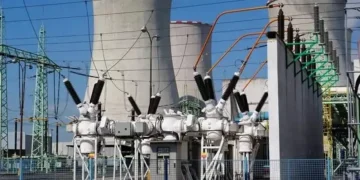
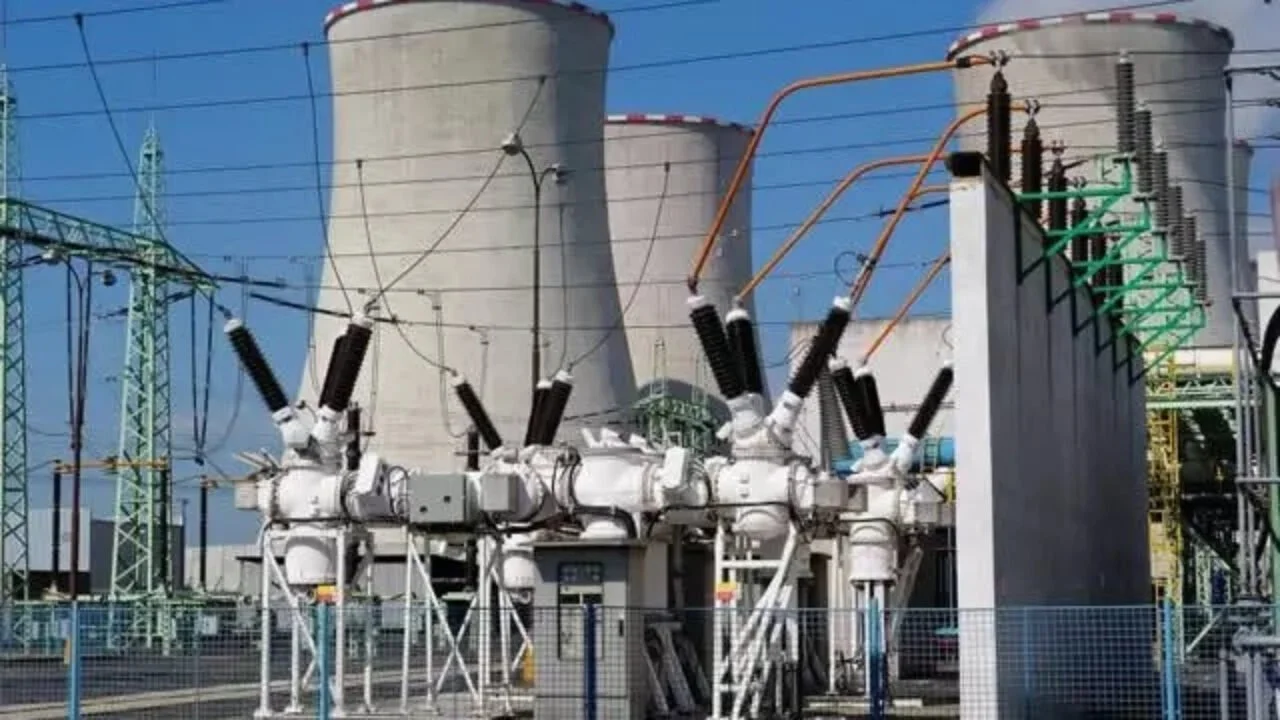
The transmission infrastructure represents the weakest link. In 2024 alone, 128 transmission towers were destroyed by vandals or bandits, costing approximately ₦8.8 billion to repair. Grid voltage levels breached specifications throughout the year, increasing the risk of equipment failure and load rejection.
Distribution companies face their own challenges. In the first half of 2025, they billed approximately ₦1.49 trillion but collected only ₦1.12 trillion, creating a ₦360 billion revenue gap. Eight out of twelve distribution companies have metering rates below 60 percent, leading to estimated billing disputes and collection problems that drain resources needed for infrastructure improvement.
Investments Without Results
The paradox deepens when considering substantial funding directed toward power sector rehabilitation. Nigeria secured about 10 loans worth $4.36 billion from the World Bank over the past decade to address power challenges. Yet four loans amounting to $2 billion have been signed but haven’t disbursed any funds, raising questions about project implementation capacity.
Despite these investments and ongoing international support for transmission expansion, the grid continues to deteriorate. The slow pace of project completion suggests deeper problems with governance, coordination, and execution capacity beyond simple funding shortfalls.
No End in Sight
Industry experts note there is little indication that 2026 will differ significantly from previous years unless deliberate steps address underlying issues. The January collapse validates this pessimism, occurring barely two weeks into the new year despite promises of improved performance.
The human cost extends beyond economic losses to missed opportunities and perpetual frustration. Every collapse reinforces Nigeria’s reputation for unreliability, driving investment and talent to more stable markets. Industries cannot plan production schedules. Healthcare facilities struggle to maintain critical equipment. Remote workers lose international opportunities due to inconsistent connectivity.
Nigeria possesses the resources, technical knowledge, and financial capacity to solve these problems. What remains absent is the political will, institutional coordination, and accountability necessary to implement comprehensive solutions rather than perpetual emergency responses to recurring crises. Until fundamental reforms address ageing infrastructure, gas supply reliability, transmission capacity, and governance accountability, Nigerians will continue experiencing the frustrating cycle of collapse, temporary restoration, and inevitable failure that has defined their electricity experience for decades.