
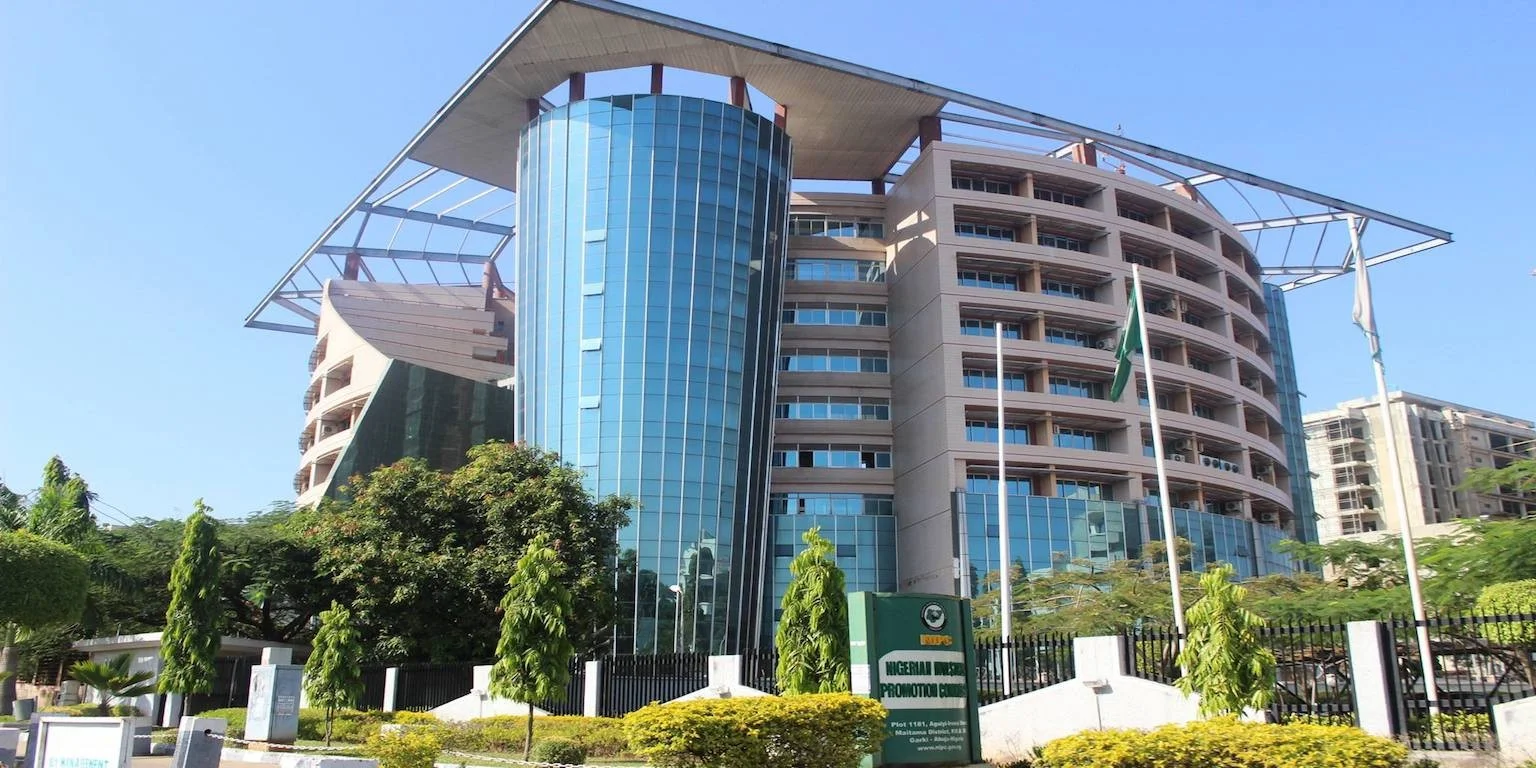
Nigeria’s telecommunications landscape is set for a major transformation as the Nigerian Communications Commission unveiled plans to deploy new spectrum bands that promise to revolutionise internet connectivity across the country. With the launch of its Spectrum Roadmap 2026-2030 and guidelines for the 6GHz and 60GHz bands, the NCC is positioning Nigeria to meet surging demand for high-speed data.


At a high-level consultative forum in Abuja, NCC Executive Vice Chairman Dr Aminu Maida unveiled the commission’s comprehensive strategy to manage Nigeria’s airwaves over the next five years. Dr Maida characterised spectrum as an “invisible but indispensable national resource” that underpins every digital interaction Nigerians engage in daily, from video calls and online classrooms to digital banking transactions and connected devices.
The Game-Changing Spectrum Bands
The roadmap focuses on two critical frequency ranges. The Lower 6GHz Band will enable Wi-Fi 6 technology, offering wider channels and dramatically faster speeds for homes, schools, hospitals, and businesses. Martha Suarez, representing the Dynamic Spectrum Alliance, noted that this technology would enable the transformation of small and medium enterprises, support agriculture, and create pathways for augmented reality and virtual reality applications.
The 60GHz Band, often called the V-Band, is designed for short-range, high-capacity wireless links. This “multi-gigabit” spectrum will be ideal for smart city applications and can deliver fibre-like speeds wirelessly to businesses, bringing cutting-edge connectivity to areas where laying fibre-optic cables might be impractical.
Meeting Explosive Demand
The timing is critical. The NCC projects that national mobile data traffic will nearly triple, rising from 11.9 exabytes in 2025 to 31.7 exabytes by 2030. Atiku Lawal, Head of Spectrum Services Department at the NCC, emphasised that the commission isn’t merely opening spectrum to improve service quality but also to serve underserved communities across Nigeria, ensuring digital transformation reaches all corners of the country.
A cornerstone of the strategy is addressing connectivity gaps affecting millions of Nigerians. The roadmap prioritises universal access, particularly for an estimated 23 million Nigerians living in 87 identified unserved and underserved clusters. By opening licence-exempt bands like the 6GHz and 60GHz spectrums, the NCC aims to lower broadband deployment costs and incentivise network expansion into previously overlooked areas.
Economic Impact
The economic implications extend beyond faster internet speeds. Since industry deregulation, spectrum allocation has supported more than $75 billion in telecom infrastructure investment. The new roadmap is expected to stimulate additional investment, expand digital infrastructure, create jobs, and strengthen Nigeria’s position as one of Africa’s leading digital economies, supporting President Bola Tinubu’s vision of a $1 trillion digital economy by 2030.
For ordinary Nigerians, these new spectrum bands promise tangible improvements. Students in remote areas could access high-quality online education without buffering. Healthcare facilities could leverage telemedicine to connect patients with city specialists. Small businesses could utilise cloud services and digital payment platforms more reliably.
The NCC demonstrated its commitment to inclusive policymaking by conducting extensive stakeholder consultations, bringing together industry participants, technology experts, and civil society representatives. As these new frequencies come online before the year’s end, Nigerians across the country should begin experiencing faster, more reliable, and more accessible internet connectivity.