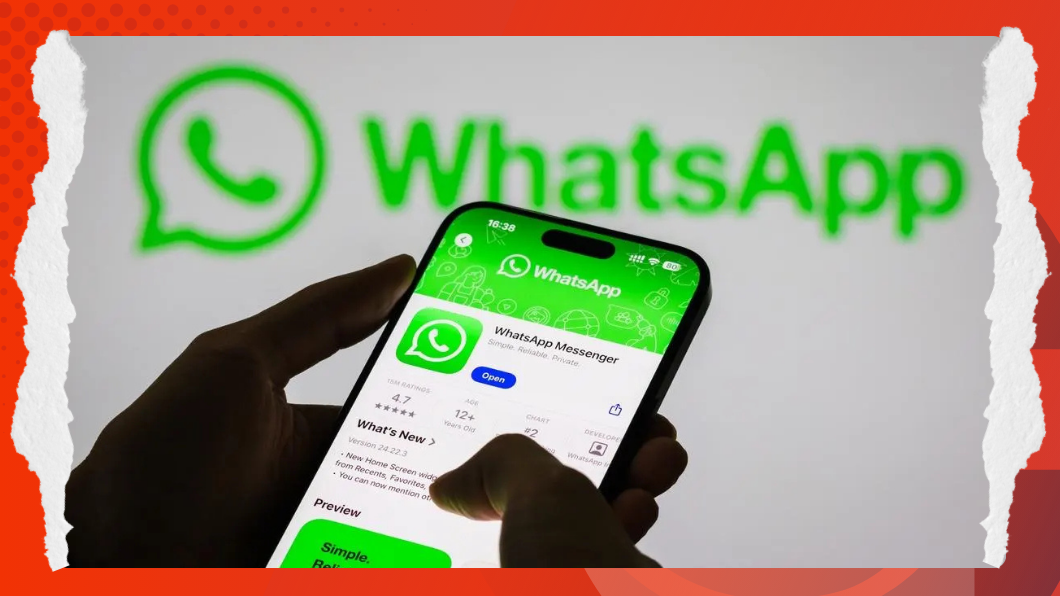
Italy forces Meta to suspend the WhatsApp AI chatbot ban after finding it may be abusing its dominant position to push out competitors. The Italian Competition Authority delivered a blow to Meta’s controversial policy that blocks rival AI services like ChatGPT, Microsoft Copilot, and Perplexity from WhatsApp’s Business API platform.

Meta announced the WhatsApp AI chatbot ban in October, planning to remove all third-party AI assistants by January 15, 2026. This policy change would leave Meta AI as the only major artificial intelligence service available on the world’s most popular messaging app.
Italian Regulators Call Meta’s WhatsApp AI Chatbot Ban Anti-Competitive
The Italian Competition Authority (AGCM) issued an interim order Wednesday, forcing Meta to halt its policy while investigating potential market abuse. The regulatory body found preliminary evidence that Meta’s actions could “limit production, market access, or technical developments in the AI Chatbot services market, to the detriment of consumers.”
The authority expressed serious concerns about the WhatsApp AI chatbot ban’s impact on market competition. Officials warned that Meta’s conduct “may cause serious and irreparable harm to competition in the affected market, undermining contestability.”
This decision comes after Italy broadened its investigation into Meta in November, following the company’s policy change that prohibits general-purpose AI chatbots from using WhatsApp’s Business API. The new rules specifically target services where AI assistance serves as the “primary functionality.”
Major AI Services Face WhatsApp AI Chatbot Ban Deadline
The policy affects several prominent AI services that currently operate on WhatsApp through the Business API. ChatGPT, Microsoft Copilot, Perplexity, and other general-purpose AI chatbots must leave the platform by January 15, 2026.
Microsoft already confirmed that Copilot will stop working on WhatsApp after the deadline. The company stated that the change stems from “recent updates to WhatsApp’s platform policies” that ban general-purpose AI chatbots.
OpenAI also announced that ChatGPT users will lose access to the service through WhatsApp when the new terms take effect. These AI services have attracted millions of users who rely on WhatsApp for convenient access to artificial intelligence assistance.
European Commission Launches WhatsApp AI Chatbot Ban Investigation
The European Commission opened a separate antitrust investigation into Meta’s WhatsApp AI chatbot ban policy in early December. EU officials expressed concerns that the policy “may prevent third-party AI providers from offering their services through WhatsApp in the European Economic Area.”
The Commission’s probe examines whether Meta’s new policy gives unfair advantages to its own AI service while blocking competitors. This investigation runs parallel to Italy’s enforcement action, creating mounting pressure on Meta from multiple European regulators.
European authorities worry that the WhatsApp AI chatbot ban could harm innovation and limit consumer choice in the rapidly growing AI market. The investigation could lead to fines or forced changes to Meta’s business practices across the European Union.
Meta Defends WhatsApp AI Chatbot Ban Against Competition Claims
Meta dismissed Italy’s ruling as “fundamentally flawed” and announced plans to appeal the decision. The company argues that WhatsApp’s Business API was never designed to serve as a distribution platform for AI chatbots.
“The emergence of AI chatbots on our Business API put a strain on our systems that they were not designed to support,” Meta stated. The company claims that AI companies have other routes to reach customers, including app stores, websites, and industry partnerships.
Meta maintains that the WhatsApp AI chatbot ban only affects general-purpose AI services, not business-specific applications. Companies using AI for customer service or other business functions can continue operating on the platform under the new policy.
The tech company contends that Italy’s regulators wrongly assume WhatsApp functions as an app store, when it actually serves as a communication platform for businesses to reach customers.
Business Impact of WhatsApp AI Chatbot Ban Creates Market Shifts
The WhatsApp AI chatbot ban forces businesses and users to find alternative ways to access their preferred AI services. Many organizations have integrated these tools into their WhatsApp-based workflows for customer support and internal operations.
Small businesses and developers who built services around third-party AI chatbots face significant disruption. They must either migrate to Meta AI or move their operations to different platforms before the January deadline.
The policy change also affects millions of individual users who access ChatGPT, Copilot, and other AI services through WhatsApp. These users will need to use separate apps or websites to continue using their preferred AI assistants.
Italy’s intervention provides temporary relief, but the ultimate outcome depends on ongoing investigations by Italian and European authorities. The WhatsApp AI chatbot ban remains suspended only in Italy while other jurisdictions continue to face the January 2026 implementation date.
This regulatory pushback highlights growing concerns about Big Tech companies using their dominant platforms to favor their own services over competitors. The case could set important precedents for how technology giants manage AI services across their platforms.