
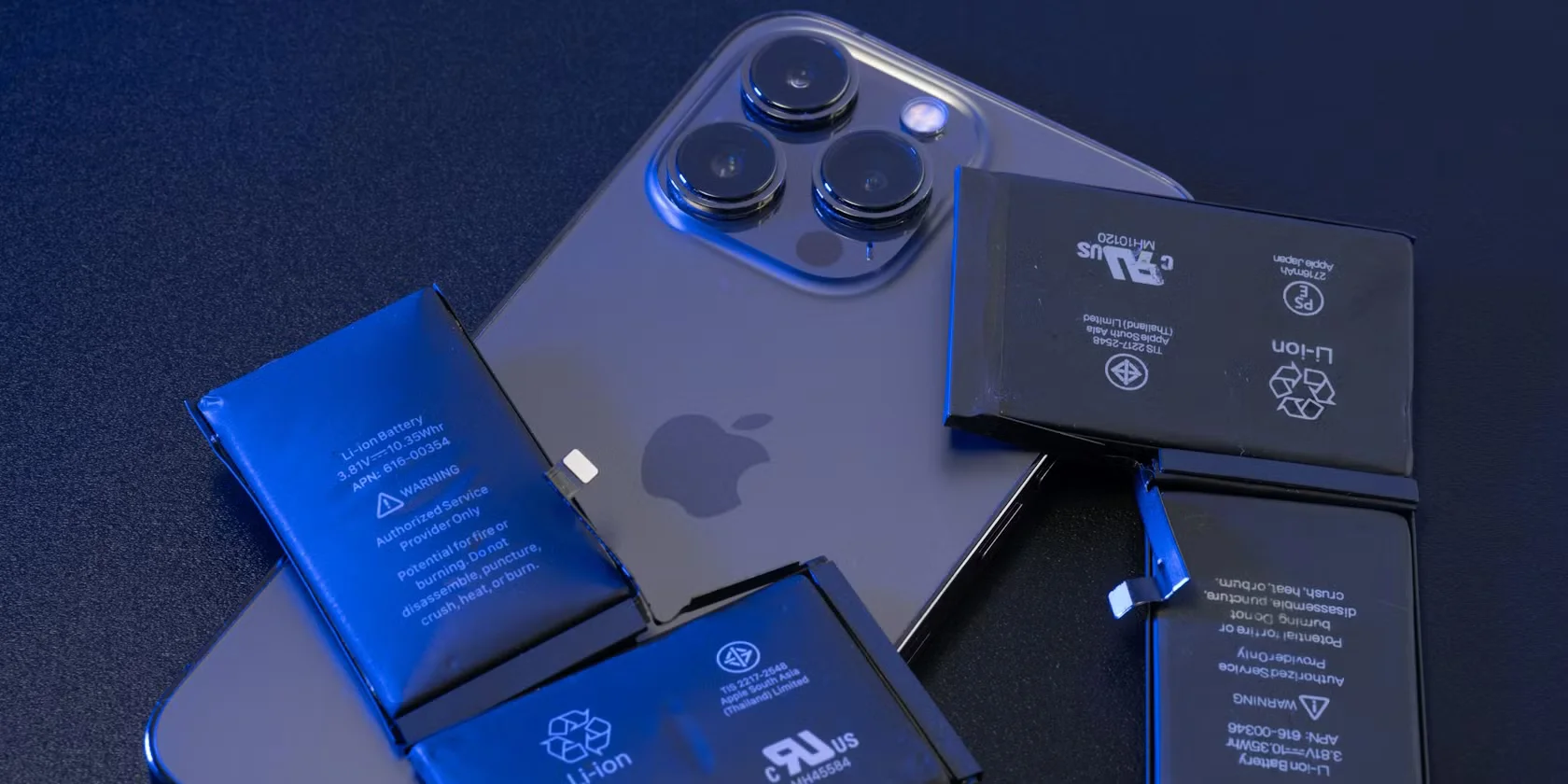
Nigeria experiences a predominantly tropical climate with temperatures that pose significant challenges for smartphone batteries. Coastal cities like Lagos and Port Harcourt maintain steady temperatures around 32°C throughout the year, while northern regions like Maiduguri can experience scorching temperatures exceeding 38°C during the hot season from April to May. These conditions place Nigerian phone users in one of the most demanding environments for battery health globally.

The Science Behind Heat-Induced Battery Damage
Lithium-ion batteries, which power most modern smartphones, are extremely sensitive to temperature. Research shows that batteries exposed to 45°C can experience more than double the degradation rate compared to those kept at a moderate 25°C. After just 200 charge cycles, a battery subjected to high heat may lose around 6.7% of its capacity, compared to only 3.3% under cooler conditions.
The damage occurs at the chemical level. High temperatures accelerate internal reactions that create a layer called the Solid Electrolyte Interphase, which grows excessively in heat. This layer progressively blocks the movement of lithium ions within the battery, reducing its ability to hold a charge. The process is irreversible, meaning each exposure to high heat permanently diminishes battery capacity.
Common Usage Habits That Worsen the Problem
Several behaviours prevalent among Nigerian phone users compound the effects of the hot climate. Leaving phones in vehicles during the day is particularly damaging, as interior car temperatures can soar beyond 60°C, well into the danger zone for battery cells. This is especially common in Lagos traffic, where commuters may leave devices in hot cars for extended periods.
Charging phones during peak heat hours creates a double threat. The charging process itself generates heat, and when combined with Nigeria’s ambient temperatures, the battery can reach critically high internal temperatures. Many users charge their phones while using them for activities like streaming videos or mobile gaming, which generates additional processor heat, creating a perfect storm for accelerated degradation.
The widespread use of thick protective cases, while offering physical protection, can trap heat against the device. In Nigeria’s humid coastal regions, where temperatures remain high and moisture levels are elevated, these cases prevent proper heat dissipation, allowing batteries to stay at damaging temperatures for longer periods.
The Economic Impact
Battery degradation has significant economic implications for Nigerian users. With the country’s average income levels, replacing phones or batteries represents a substantial investment. Many users continue using phones with severely degraded batteries, resulting in devices that need charging multiple times daily, further accelerating wear through increased charge cycles.
The problem is compounded by limited access to official service centres in many areas, leading some users to seek cheaper, unofficial battery replacements that may not meet quality standards, potentially creating safety risks in the hot climate.
Protective Measures That Make a Difference
Understanding the relationship between heat and battery health can help Nigerian users extend their device lifespans. Keeping phones out of direct sunlight is crucial, particularly avoiding dashboard placement in vehicles. During Lagos traffic or long commutes, storing phones in bags or covered compartments can reduce temperature exposure by several degrees.
Charging habits matter significantly. Whenever possible, charge phones during cooler evening or early morning hours when ambient temperatures are lower. Avoid using phones for intensive tasks like gaming or video streaming while charging, as this generates excessive heat. Consider removing protective cases during charging to allow better heat dissipation.
Standard charging is preferable to fast charging in hot environments. While fast charging is convenient, it generates more heat during the charging process, which becomes problematic when ambient temperatures are already high. For users in particularly hot regions, investing in chargers with temperature regulation features can provide additional protection.
When to Seek Replacement
Nigerian users should monitor their battery health regularly. Most smartphones now include battery health indicators in their settings. If battery capacity has dropped below 80% or if the phone regularly overheats during normal use, it may be time for a replacement. Continuing to use a severely degraded battery in hot conditions can pose safety risks, including potential swelling or thermal runaway.
While Nigeria’s climate presents unavoidable challenges for smartphone batteries, awareness of heat’s impact and adopting protective habits can significantly extend battery life and device usability in this demanding environment.