Techsoma Homepage
  • Policy & Regulations
  • Artificial Intelligence
  • Reports
  • Policy & Regulations
  • Artificial Intelligence
  • Reports
Home Artificial Intelligence

Can ChatGPT’s Study Mode Boost Learning Outcomes in Africa?

by Covenant Aladenola
July 29, 2025
in Artificial Intelligence, Technology
Reading Time: 3 mins read
Techsoma Africa

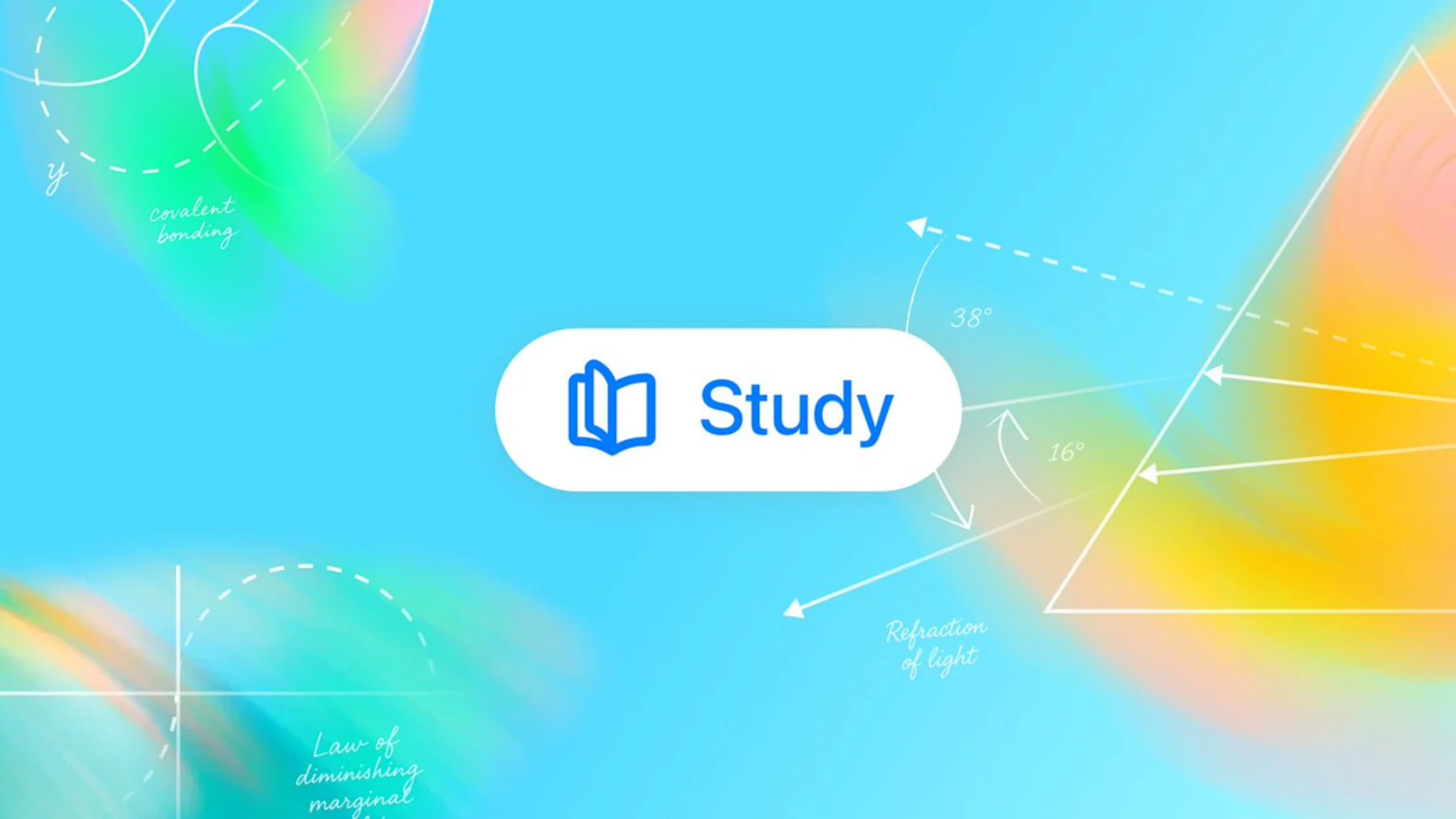
OpenAI has launched a new feature called Study Mode inside ChatGPT, positioning it not just as a chatbot, but a guided learning assistant. For Africa’s fast-growing edtech sector where access to quality teachers and personalised learning remains uneven, this shift may offer a scalable complement.

Available to all ChatGPT users globally, including those on free and Plus plans, Study Mode is designed to walk users through problems step by step instead of giving immediate answers.

Socratic Prompts Over Copy-Paste Answers

When users enable the new Study icon, ChatGPT changes tone. A student in Lagos or Kigali solving a maths problem is no longer spoon-fed a solution. Instead, the assistant asks guiding questions, checks understanding, and nudges users to think critically.

The feature includes:

  • Scaffolded learning based on user skill level
  • Quizzes and checkpoints for reinforcement
  • Toggle flexibility for switching between direct help and guided support

It reflects a global trend: moving AI from answer engines to tools that encourage real learning.

Edtech in Africa: Room for Collaboration

The continent is seeing a surge in digital education platforms, from uLesson in Nigeria to Eneza in Kenya. Many of these startups focus on exam prep, teacher support, and accessible video content.

Study Mode could offer something complementary: an interactive tutor layer. It’s not a curriculum replacement, but a way to deepen understanding through one-on-one AI dialogue.

According to a 2023 UNESCO report, Sub-Saharan Africa still faces a shortage of qualified teachers, especially in STEM fields. Study Mode, if integrated into local platforms or accessed independently, might help bridge that gap at scale.

Caution: Language and Access Gaps Remain

While promising, Study Mode still requires consistent internet and English literacy, two barriers that disproportionately affect rural and low-income students. Its effectiveness will depend on how well it’s localised or bundled with existing tools African students already use.

For now, Study Mode is entirely text-based. No voice, no offline mode, no localisation to African languages. Edtech firms and ministries may need to explore partnerships with OpenAI or build wrappers around the API to make it more inclusive.

Editor’s Note

OpenAI says this is just the beginning. Future plans include subject-specific learning tracks, teacher dashboards, and integration into classroom tools.

If deployed well, Study Mode could support Africa’s digital education agenda, not by replacing human teachers, but by reinforcing concepts and encouraging active thinking.

This article was rewritten with the aid of AI
At Techsoma, we embrace AI and understand our role in providing context, driving narrative and changing culture.

Covenant Aladenola

Covenant Aladenola

Covenant Aladenola is part of Techsoma’s senior editorial team, where he helps shape the publication’s storytelling direction and editorial strategy...

Recommended For You

CommonLingua launch
Artificial Intelligence

GSMA and Pleias Launch CommonLingua to Fix AI’s African Language Problem

by Kingsley Okeke
April 29, 2026

French AI research company Pleias and the GSMA have released CommonLingua, a language identification (LID) model that covers 334 languages, including 61 African languages, and is designed to address a...

Read moreDetails
ai-layoffs-in-tech-real-reason-behind-the-cuts

The Real Story Behind Job Layoffs and Why Your Skills Still Matter

April 28, 2026
Elon Musk OpenAI lawsuit

Elon Musk vs. OpenAI: The Trial That Could Redefine the Future of Artificial Intelligence

April 27, 2026
Techsoma Africa

OpenAI Builds a Smarter ChatGPT With Hiro, a New $100 Pro Tier, and Careful Ad Plans

April 22, 2026
Claude Opus 4.7 launch

Anthropic Releases Claude Opus 4.7, Its Most Capable Publicly Available AI Model

April 16, 2026
Next Post
Techsoma Africa

Claude’s New Weekly Limits: What African Developers Need to Know

Techsoma Africa

Nigerians and Kenyans in Tanzania Will Be Jailed for Mobile Money, Parcel Delivery, and Salon Business Under New Law

Leave a Reply Cancel reply

Your email address will not be published. Required fields are marked *

Subscribe to our Newsletter

Recent News

Idorenyin Obong, CEO of Grey

Grey Fintech Gains Regulatory Approval in Canada Under Federal Payments Framework

April 30, 2026
Techsoma Africa

Nigerian Telcos Push for Dig-Once Policy to Rescue ₦3 Trillion Fibre Rollout

April 30, 2026
SuperteamNG

Nigeria Leads Africa’s Solana Developer Surge as SuperteamNG Pumps $162,000 into Q1 Ecosystem

April 29, 2026
CommonLingua launch

GSMA and Pleias Launch CommonLingua to Fix AI’s African Language Problem

April 29, 2026
MTN shareholders pressure ahead of AGM

MTN Executive Pay Faces Shareholder Pushback Ahead of May Annual General Meeting

April 29, 2026
Techsoma Africa

Techsoma Africa reports on startups, fintech, AI, digital policy, and the builders shaping Africa’s innovation economy.

Facebook X-twitter Instagram Linkedin

Company

About

Contact

Advertise

Site Map

Coverage

Startups

Fintech

Artificial Intelligence

Reports

Resources

Privacy Policy

RSS Feed

News Sitemap

Policy & Regulations

Copyright 2026 Techsoma Africa. All rights reserved.

No Result
View All Result
  • Reports
  • Policy & Regulations
  • Artificial Intelligence
  • About
  • Contact
  • Advertise

Copyright 2026 Techsoma Africa. All rights reserved.