Lagos and Ibadan sessions merge creative design with analytical thinking for over 100 participants

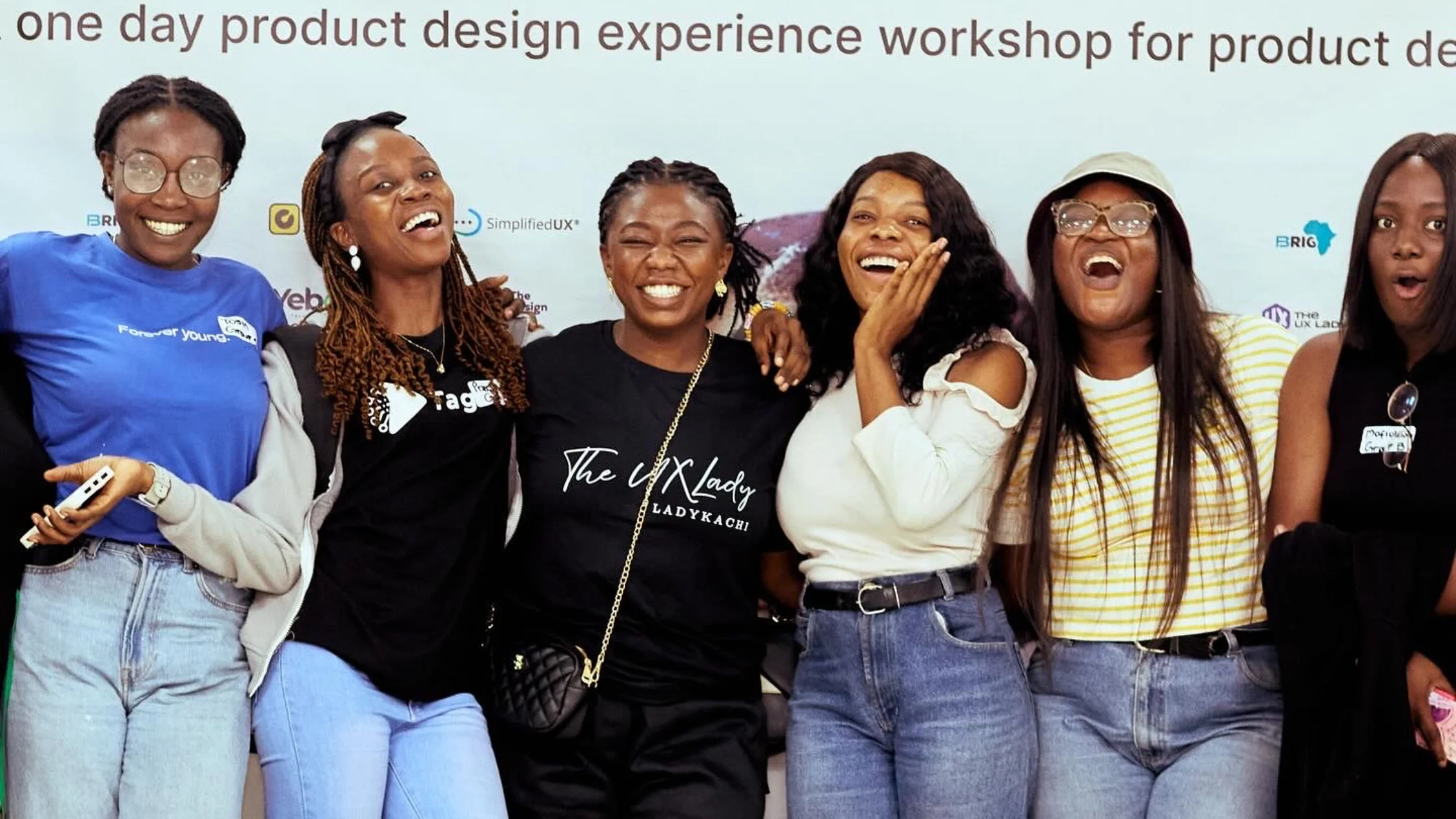
More than 100 designers, developers, and tech professionals attended user experience (UX) workshops that challenged traditional design thinking by merging creativity with data-driven decision making across Lagos and Ibadan over the past two months.

Kalu Onyekachi, a product designer and UX researcher, concluded the innovative workshop series last week in Ibadan after launching it in Lagos in January, introducing participants to what she calls “evidence-based creativity.”
“Most design education treats creativity and data analysis as separate disciplines,” Onyekachi said following the final session. “But the best user experiences happen when you combine creative intuition with rigorous user research. These workshops were designed to show participants how to make that connection.”
Data-Driven Creative Process
The workshops distinguished themselves from traditional design training by emphasizing how data and analytics can enhance rather than constrain creativity. Participants learned to validate design decisions through user testing while maintaining creative freedom in their solutions.
“We showed them how to use data as a creative tool, not a creative limitation,” Onyekachi explained. “When you understand user behavior patterns, you can design more innovative solutions because you’re solving real problems, not assumed ones.”
Participants included working professionals from various tech companies, freelance designers, product managers, and university students, all eager to learn how to bridge the traditional gap between analytical thinking and creative design. The training covered how to use user research data to inspire design concepts, validate creative decisions through testing, and measure the impact of design choices.
“The response exceeded our expectations,” Onyekachi said yesterday. “Many participants initially thought data would stifle their creativity. By the end, they realized it was actually liberating, they could design with confidence because they understood their users deeply.”
Inspiring Analytical Creativity
Unlike theoretical design courses, the workshops emphasized practical integration of creative and analytical approaches to real Nigerian market challenges. Participants worked on case studies involving mobile money applications, e-commerce platforms, and educational technology products, learning to use data insights to fuel creative solutions.
The training sessions included hands-on exercises where participants first gathered user data, then used those insights to drive creative ideation and design concepts. This approach challenged the common perception that data constrains creativity, instead showing how research can inspire more innovative design solutions.
“Many international design trends don’t work in African markets because they’re not based on local user data,” Onyekachi explained. “We focused on teaching participants how to combine global design principles with local research insights to create truly innovative solutions.”
Industry Impact
The workshops have concluded with several participants already reporting plans to apply the skills at their companies or launch independent design practices. The training addressed specific challenges facing Nigerian tech companies, including designing for users with limited smartphone experience and creating interfaces that work effectively on lower-end devices.
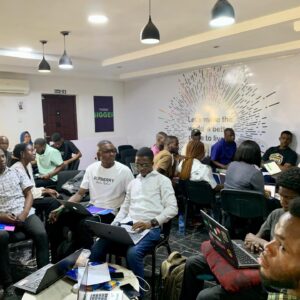
The sessions also covered accessibility considerations often overlooked in local product development, drawing from Onyekachi’s experience working on assistive technology projects, including her previous work on reading applications for visually impaired users.
Growing UX Community
The Lagos and Ibadan workshops were part of Onyekachi’s broader effort to develop Nigeria’s UX design community.
“Nigeria’s tech sector is maturing rapidly, but we need more professionals who understand user-centered design,” she said during the final session. “These workshops were about building that capacity and creating networks for ongoing learning and collaboration.”
Based on the positive response, Onyekachi indicated that additional workshops may be planned for other Nigerian cities later this year.