
Africa’s tech ecosystem is scaling fast. From Lagos fintech infrastructure processing millions of API calls daily to Nairobi agritech platforms coordinating fragmented supply chains, software engineers across the continent are building systems under real constraints. Variable networks. Rapid growth. Limited margin for failure.
In this environment, fundamentals matter more than tools. Frameworks evolve. AI accelerates workflows. But engineers who understand systems, architecture, and code quality continue to compound in value.
Books remain one of the most efficient ways to acquire these mental models. They compress decades of engineering lessons into transferable principles that apply across languages, stacks, and industries.
The Big Three for Every Junior Engineer
The Pragmatic Programmer — Andrew Hunt and David Thomas

This book reframes software engineering as a craft. It emphasises ownership, adaptability, and disciplined thinking.
Key ideas:
- Eliminate duplication
- Automate repetitive tasks
- Refactor continuously
- Take responsibility for technical decisions
In early-stage African startups where engineers wear multiple hats, these habits create long-term leverage.
Clean Code — Robert C. Martin
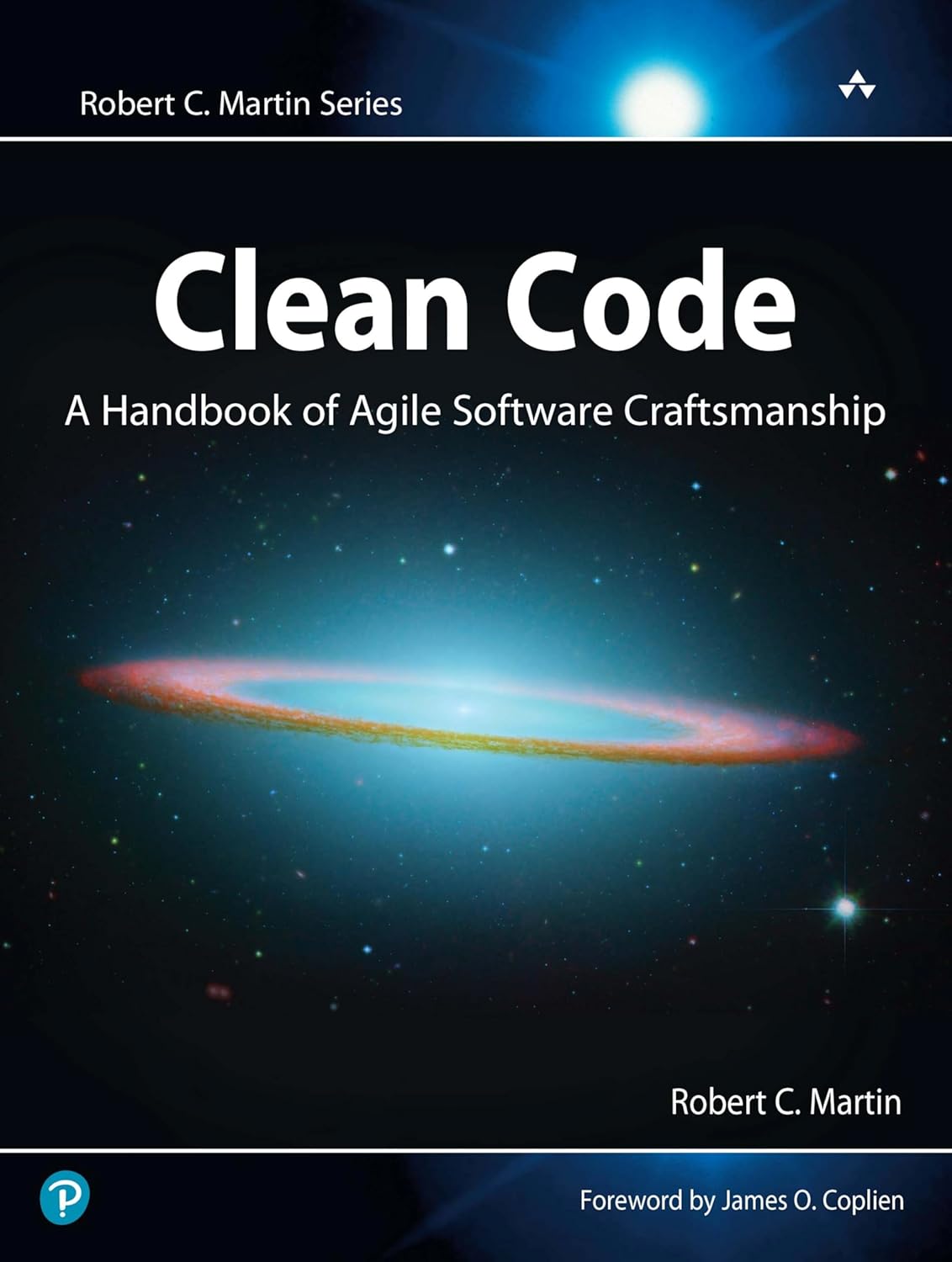
Clean Code focuses on writing software that other engineers can understand and extend.
Core lessons:
- Write small, focused functions
- Use meaningful names
- Design for readability
- Build systems that remain flexible
In scaling companies like Paystack, Interswitch, and Flutterwave, code clarity directly impacts velocity.
Grokking Algorithms — Aditya Bhargava

Algorithms are foundational for problem-solving and technical interviews.
This book explains:
- Big O notation
- Sorting and searching
- Recursion
- Graph traversal
For engineers preparing for remote roles or competitive hiring pipelines, algorithm fluency remains essential.
Software Craftsmanship and Code Quality
Code Complete — Steve McConnell

A comprehensive guide to building reliable production software.
It covers:
- Defensive programming
- Debugging techniques
- Error handling
- Code organisation
These practices improve reliability in fintech and high-transaction systems.
Refactoring — Martin Fowler

Most engineers work on existing systems. Refactoring teaches safe ways to improve code without breaking functionality.
It helps engineers:
- Identify design weaknesses
- Improve structure incrementally
- Maintain stability while evolving systems
Systems, Architecture and Scalability
Designing Data-Intensive Applications — Martin Kleppmann
![Designing Data-Intensive Applications [Book]](data:image/svg+xml,%3Csvg%20xmlns='http://www.w3.org/2000/svg'%20viewBox='0%200%20141%20185'%3E%3C/svg%3E "Techsoma Africa")
It explains:
- Replication and consistency
- Fault tolerance
- Storage engines
- Trade-offs in distributed systems
These principles underpin payment infrastructure and large-scale APIs.
Building Microservices — Sam Newman
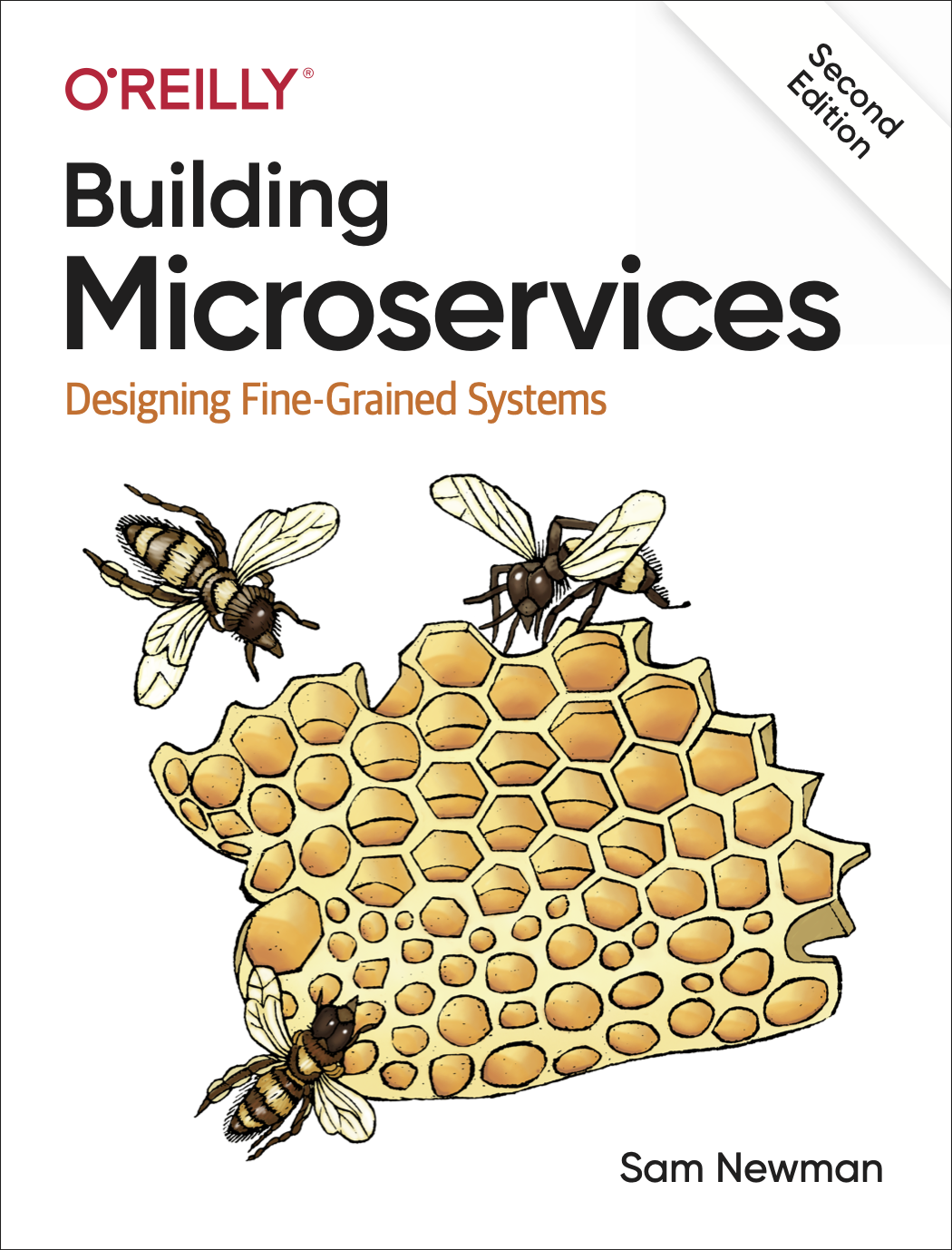
Microservices enable scale but introduce complexity. This book explains how to adopt them safely.
Topics include:
- Service boundaries
- Deployment strategies
- Observability
- Failure handling
A Philosophy of Software Design — John Ousterhout

Focused on reducing complexity through thoughtful design.
It teaches:
- Better abstractions|
- Simpler module structures
- Avoiding unnecessary coupling
Reducing complexity improves long-term maintainability.
Computer Science Foundations and Interview Preparation
Introduction to Algorithms — Cormen, Leiserson, Rivest, Stein

A deep dive into algorithms and data structures.
Valuable for:
- Advanced graph algorithms
- Dynamic programming
- Senior-level engineering roles
System Design Interview — Alex Xu
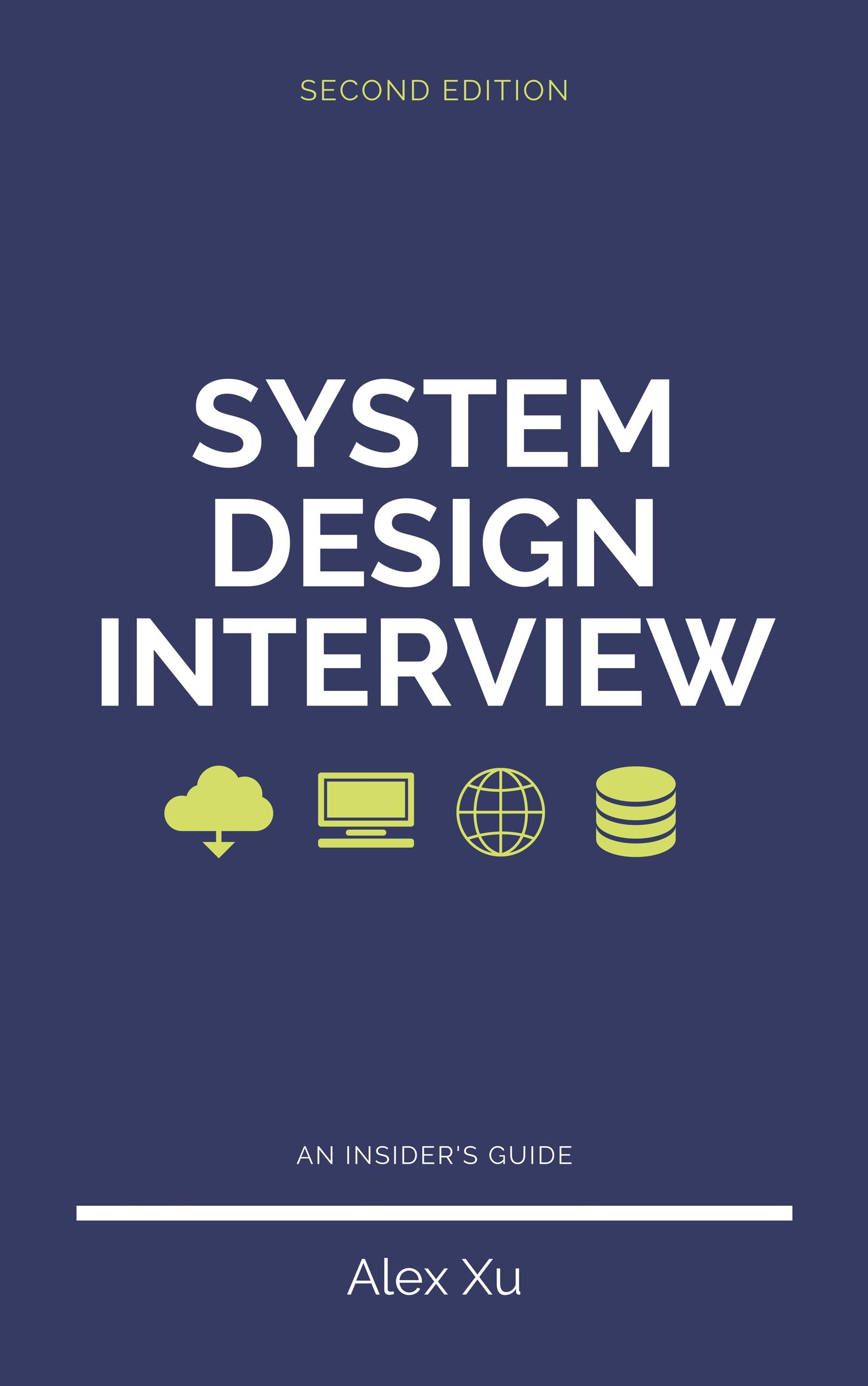
Teaches structured thinking for architecture interviews.
Covers:
- Requirement clarification
- Capacity estimation
- API design
- Database trade-offs
Leadership and Engineering Organisations
The Manager’s Path — Camille Fournier

A roadmap from individual contributor to engineering leader.
Covers:
- Mentorship
- Hiring
- Technical leadership
Accelerate — Nicole Forsgren, Jez Humble, Gene Kim
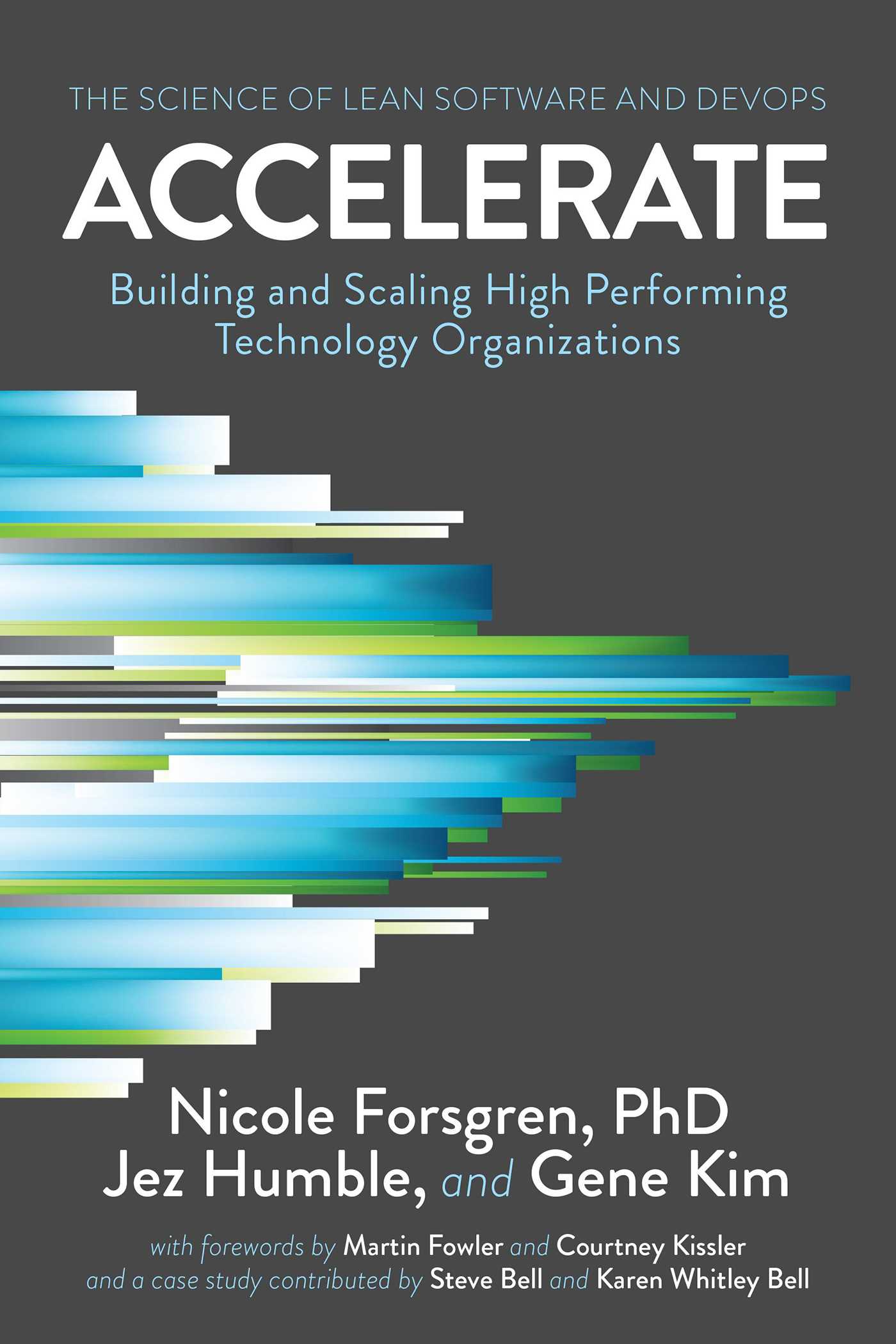
Research-backed insights into high-performing engineering teams.
Explains:
- Deployment frequency
- Reliability metrics
- Organisational performance
Emerging and AI-Focused Systems
Designing Machine Learning Systems — Chip Huyen
Explains how to deploy and maintain production ML systems.
Covers:
- Data pipelines
- Monitoring

- Model reliability

As AI adoption increases across African startups, production ML knowledge becomes increasingly valuable.
Conclusion
Africa is producing engineers who design infrastructure used globally without leaving the continent.
The engineers who rise fastest are those with strong foundations. Not just tool familiarity. Not just framework knowledge. But deep understanding of systems, architecture, and software design.
These books accelerate that growth.
Choose one aligned with your current challenge. Read deliberately. Apply consistently.
The next generation of African engineering leadership is already emerging.