
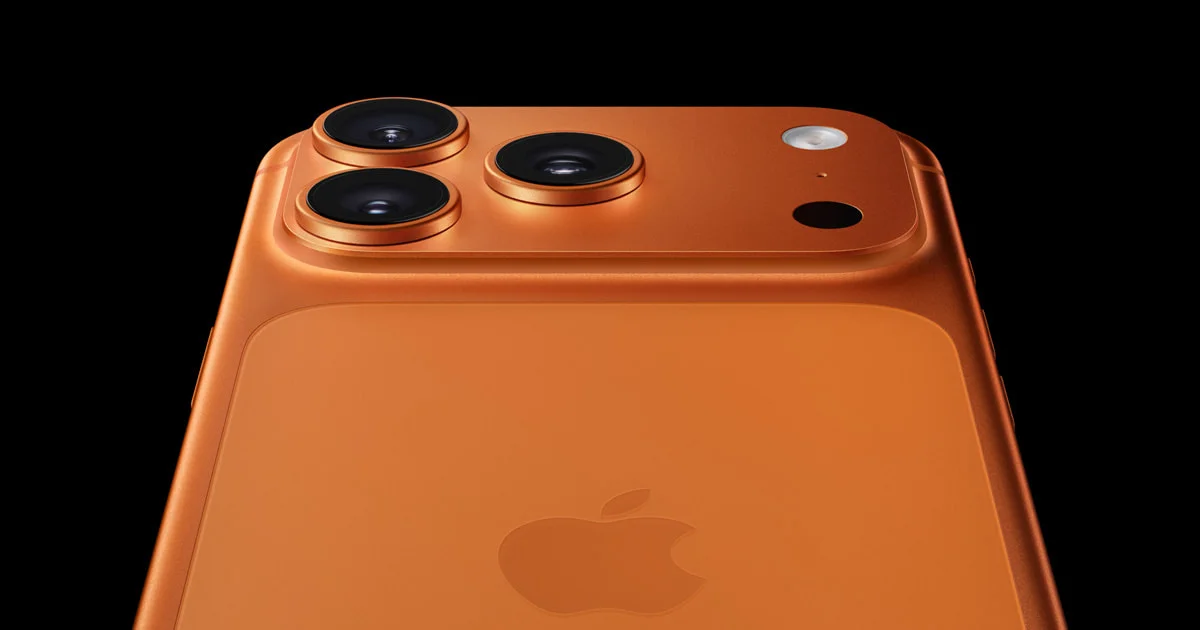
Apple is finishing 2025 with a momentum that has shifted the smartphone market. After years of Samsung holding the top spot in global shipments, the iPhone 17 is driving a reversal. The device is outperforming expectations across major markets, and its success is tilting the balance back in Apple’s favour.
A Market Ready for a New Leader
Smartphone sales have been flat for years. People have held on to their devices longer, waiting for meaningful upgrades. Apple used that moment wisely. The iPhone 17 landed at the perfect time when millions were due for an upgrade and when the premium segment was growing faster than the mid-range.
Samsung still ships a wide range of devices, but in 2025, the premium end of the market is dictating who leads. Apple has captured that shift.
The iPhone 17’s Quiet but Powerful Appeal
The iPhone 17 did not reinvent the iPhone. It refined it. Faster performance, better battery life, improved cameras and a stronger ecosystem pull, all without a dramatic price leap. That steady evolution resonated deeply with users who skipped the last few upgrade cycles.
In markets like the United States and China, early sales of the iPhone 17 have been stronger than the iPhone 16 by noticeable margins. Carrier data, retail checks and supply-chain estimates all point in the same direction: demand is higher, and Apple is shipping more units than competitors expected.
This strong start is what pushed Apple ahead of Samsung in total shipments for the year.
Samsung’s Broad Strategy Faces a New Challenge
Samsung continues to dominate the entry and mid-range market. That remains a strength. The problem is that global leadership now depends on winning the premium buyer — the one who replaces their phone the least often but spends the most.
Galaxy S and Galaxy Fold models are strong products, but the upgrade energy around them is not matching the pace of the iPhone 17. And with the premium segment expanding faster than the budget one, Samsung’s diversified strategy is not translating into a top position this year.
The Ecosystem Factor That Keeps Growing
The more Apple adds to its ecosystem, the harder it becomes for users to leave. AirPods, Apple Watch, iMessage, iCloud and a growing list of AI-powered features create a lock-in effect that drives upgrades from within the ecosystem rather than switching across it.
The iPhone 17 benefits directly from this. Many buyers upgrading in 2025 aren’t choosing between Apple and Samsung. They’re upgrading from older iPhones. This internal upgrade cycle has given Apple a clear advantage over a competitor that must win every buyer one device at a time.
What This Means for the Smartphone Landscape
If current trends hold, 2025 will be remembered as the year Apple overtook Samsung for the first time in more than a decade. And the message is clear: the battle is no longer about who sells the most models across all price points. It’s about who captures the top of the market and holds user loyalty the longest.
The iPhone 17 has given Apple exactly that edge.