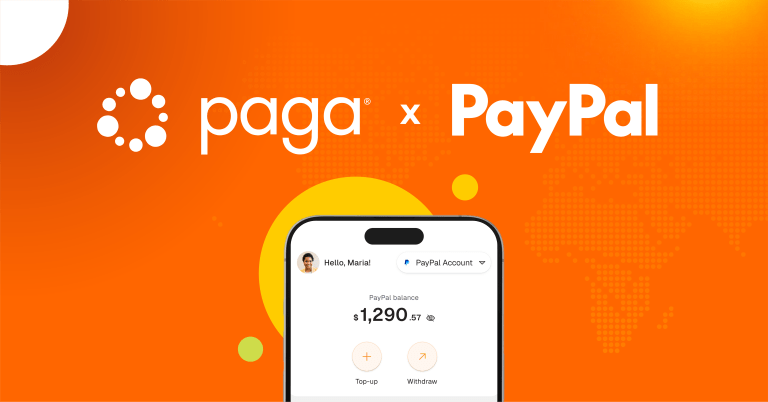
Paypal, a global payment platform partnered with Paga, one of Nigeria’s fintech companies, to bring full payment services to Nigerian accounts. This integration allows Nigerians to link their PayPal accounts to Paga wallets and withdraw funds in Naira.

The announcement came on January 27, 2026. It ends a restriction that began in 2004 when PayPal blocked Nigerians from receiving money on its platform. For 22 years, freelancers, gig workers, and online merchants in Nigeria could only send payments through PayPal but never receive them.
Tayo Oviosu, founder and CEO of Paga, revealed that he first reached out to PayPal about this partnership in August 2013. His initial email outlined how Paga could power payment flows to and from PayPal in Nigeria. That vision took 13 years to become reality.

How PayPal Integration Works Through Paga
Nigerian users must download the Paga app and link their PayPal accounts to their Paga wallets. Users can view their PayPal balance inside the Paga app and withdraw funds to Naira whenever they want.
The integration supports multiple use cases. Freelancers can receive payments from international clients through PayPal. Family members abroad can send money to relatives in Nigeria. Nigerian merchants can accept PayPal payments from over 30 million merchants worldwide.
Once funds arrive in the Paga wallet, users have several withdrawal options. They can spend via card, transfer to local bank accounts, pay bills, or transact with merchants within the Paga ecosystem. The service provides a direct bridge between global earnings and local spending.
PayPal History Shows Decades of Restricted Access
PayPal placed heavy restrictions on Nigeria and other sub-Saharan African countries around 2004. The company cited fraud concerns related to stolen credit cards and online scams. Nigerians could send money through PayPal but faced a complete ban on receiving payments or withdrawing funds to local bank accounts.
This restriction created serious problems for Nigeria’s digital economy. Freelancers lost international clients who preferred PayPal for payments. Small business owners selling online had to rely on informal workarounds or alternative platforms. Many Nigerian entrepreneurs experienced frozen funds or missed opportunities because they couldn’t access PayPal’s receiving functions.
The two-decade wait frustrated many Nigerians who watched PayPal expand to other markets while their country remained locked out. Alternative payment platforms like Flutterwave and Paystack emerged during this period to fill the gap.
PayPal Access Opens Global Commerce for Freelancers
The integration directly benefits several groups. Gig workers who offer services on global platforms can now receive PayPal payments. This includes graphic designers, writers, programmers, and virtual assistants who work with international clients.
Nigerian merchants gain access to PayPal’s global network of over 400 million users. They can sell products and services to customers in approximately 200 markets where PayPal operates. This expands their potential customer base beyond local markets.
Cross-border commerce becomes simpler for Nigerian businesses. Instead of complex international payment arrangements, they can use the familiar PayPal system that many global buyers prefer. Oviosu noted that this collaboration makes it easier for Nigerians to “access and use global funds locally, in a way that’s simple, secure, and built for our markets.
Paga and PayPal Partnership Required Years of Trust Building
Oviosu emphasized that partnerships like this don’t happen overnight. The collaboration required years of conversations, trust-building, and regulatory work. His team had to demonstrate that Paga built robust, trusted local infrastructure capable of handling international payment flows.
The partnership validates the approach of global platforms working with local systems rather than bypassing them. PayPal’s previous attempt to operate in Nigeria without local infrastructure failed. This integration shows that combining international reach with local expertise produces better results.
The 13-year timeline from initial contact to launch reflects the complexity of cross-border payment partnerships. Both companies needed to align on technical integration, regulatory compliance, fraud prevention, and user experience before going live.
PayPal Users Must Link Accounts Through Paga App
To access the service, users need to take specific steps. First, download the Paga app from Google Play Store or Apple App Store. Create a Paga account if you don’t already have one. Navigate to the PayPal linking section within the app. Enter your PayPal login credentials to connect the accounts.
Once linked, your PayPal balance will display inside the Paga app. You can receive payments from any PayPal user worldwide. When you want to use the funds, select the withdrawal option to convert from dollars to Naira. The money transfers to your Paga wallet where you can spend it through various channels.
Users maintain separate PayPal and Paga accounts. The linking simply enables payment flows between the two platforms. You still access PayPal’s web interface for sending payments or shopping at global merchants that accept PayPal.
PayPal Integration Supports Digital Economy Growth
The partnership strengthens Nigeria’s financial services ecosystem in several ways. It promotes cross-border commerce by making international transactions simpler. Nigerian entrepreneurs can participate more fully in the global digital economy without payment barriers.
The integration supports small business growth. Merchants who sell digital products, services, or physical goods to international customers gain reliable access to PayPal’s trusted payment infrastructure. This reduces the friction that previously discouraged some Nigerians from pursuing international business opportunities.
Financial inclusion improves when more people can access global payment systems. Previously excluded Nigerians can now earn money from international sources and convert it to local currency through legitimate channels. This reduces reliance on informal money transfer methods.
The collaboration demonstrates that foreign payment platforms can succeed in African markets by partnering with local innovators who understand regulatory requirements, user preferences, and infrastructure challenges.
Next Steps for PayPal Expansion
The current integration focuses on receiving payments and local withdrawals. Future expansions could add more features based on user demand and regulatory approval. Possible additions include business accounts with advanced features, merchant services for e-commerce platforms, and integration with more Nigerian financial institutions.
PayPal might extend similar partnerships to other African countries where it currently restricts services. The Paga model provides a blueprint for expanding into markets with unique regulatory environments or infrastructure limitations.
Oviosu expressed pride in the Paga team for staying the course over 13 years. He thanked the PayPal team for believing in the long-term vision. His statement suggests both companies view this as a starting point rather than a finished product.
Nigerian users can start using the service immediately by downloading the Paga app and linking their PayPal accounts. The integration is live and processing transactions.