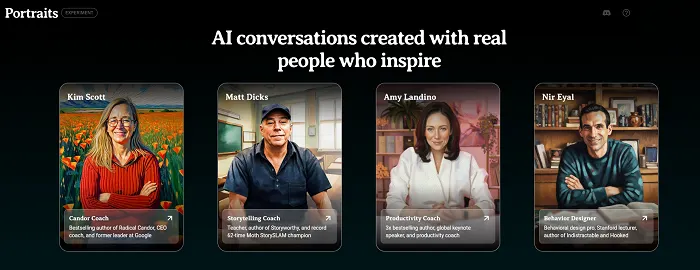
YouTube expands its experimental AI Portraits feature to select content creators, allowing fans to chat with digital versions of their favourite stars. Google Labs has given a small group of YouTube creators the green light to become AI chatbots. The tech giant’s “Portraits” feature now lets fans have conversations with digital copies of popular creators through their channel pages.
Only US viewers aged 18 and older using desktop YouTube can access the new “Talk to Creator’s Portrait” option. The feature appears directly on participating creators’ channels, where fans can ask questions and explore topics related to the creators’ content.
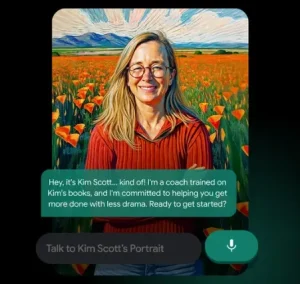
How YouTube AI Creator Portraits Actually Work
The AI avatars use Google’s Gemini language model to mimic creators’ personalities and knowledge. Each Portrait gets trained on specific content and sources that the real creators provide to Google Labs.
The system aims to look and sound like the actual creator while containing similar interests and expertise. Creators maintain full control over their digital twins by choosing what material trains their AI versions.
YouTube positions this as a way for creators to handle fan interactions without drowning in inbox messages. The feature also gives creators insights into which topics their audiences find most interesting.
Authenticity Questions
Critics worry that AI versions might dilute the personal connection that makes social media valuable. The core appeal of platforms like YouTube stems from direct access to real personalities and authentic interactions.
Replacing human creators with AI copies raises questions about genuine engagement versus simulated relationships. Some argue that chatting with an AI version lacks the emotional impact of connecting with actual people.
YouTube acknowledges these concerns by limiting the feature to desktop users and requiring creator consent. The platform monitors feedback closely and promises updates based on community response.
The company also maintains strict guidelines around AI-generated content, requiring creators to disclose synthetic or altered material since 2023.
Competition in AI Creator Space
YouTube faces growing competition in AI-powered creator tools. Multiple platforms now offer similar features, forcing YouTube to innovate or risk losing creators to competitors with better AI capabilities.
The success of early Portrait experiments with business leaders gave YouTube confidence to expand to regular creators. These initial tests showed users value AI interactions when they provide genuine insights rather than empty conversations.
Industry experts predict that more platforms will introduce creator AI features throughout 2025. The race to perfect digital human interactions could reshape how audiences connect with online personalities.
YouTube’s move positions the platform ahead of this trend while giving creators new ways to monetise their expertise and personality.