If you ask a bank for a loan in Nigeria, they ask for your credit history. But if you ask a doctor for treatment in an emergency, you often need cash—right now. The gap between those two realities is where MediLoan by MyItura is trying to build a bridge.

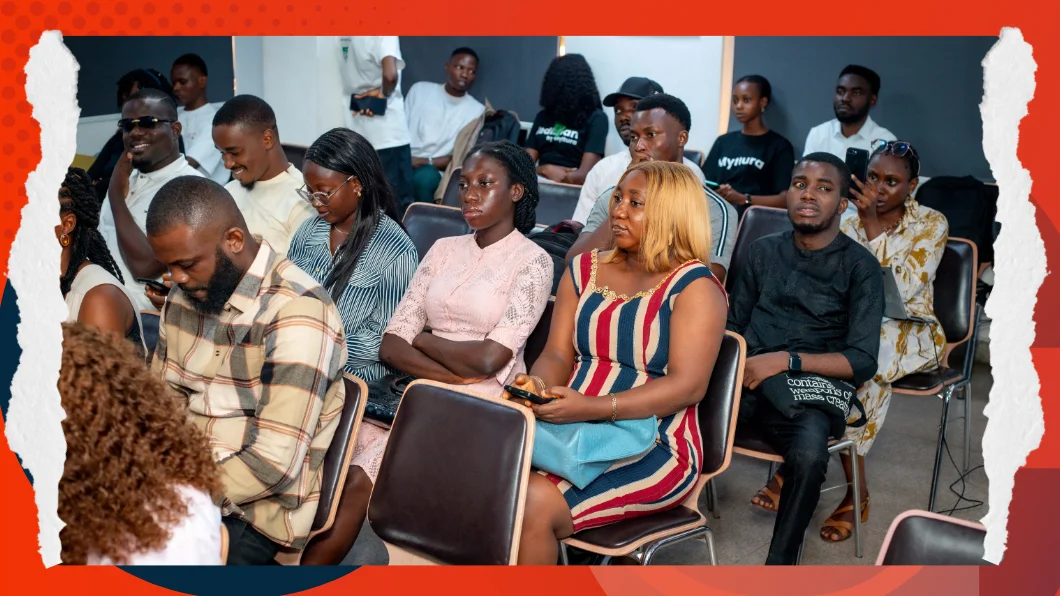
At the launch event in Lagos yesterday, December 9, 2025, the team unveiled a health financing product that doesn’t just digitize lending; it reimagines what “creditworthiness” looks like for the average Nigerian.
The Data Problem
The core challenge, as outlined by Emmanuel from Data Science Nigeria (DSN), is that most people who need health loans don’t have a formal financial footprint. They don’t have credit cards or mortgage histories.
“Everyone has a financial behavior,”
Emmanuel explained during the technical panel. “If I can tap into your airtime usage or e-commerce spending patterns, I can tell if you are responsible enough to handle a loan.”
MediLoan by MyItura is working with DSN to use AI to analyze these alternative data points how long you’ve lived in one house, your consistency in buying maintenance medications, or even your phone bill consistency to build a risk profile for the unbanked.
Solving the Hospital’s Headache
For healthcare providers, this isn’t just about altruism; it’s about operations. The COO of Life Centre Medicals shared a candid frustration common to many Nigerian hospitals: treating patients on compassionate grounds often leads to bad debt.
“We lack the personnel to go after people who said they would pay next week,” he noted.
The MediLoan by MyItura model shifts this burden. The platform pays the hospital immediately, typically within 24 hours—removing the debt from the facility’s books so they can focus strictly on clinical care.
Tech That Fits the User
Crucially, Stephanie from CcHUB emphasized that this solution wasn’t built just for smartphone users in Lekki. Recognizing that the most vulnerable patients use feature phones, the team prioritized USSD channels and local language options.
It is a sophisticated fintech backend with a simple, human front-end, exactly what the Nigerian market has been waiting for.