
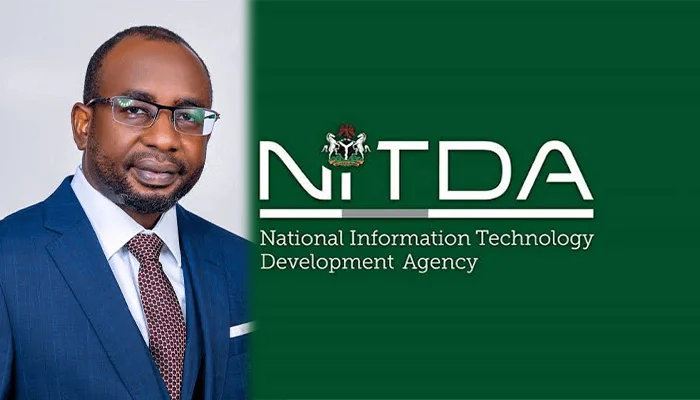
NITDA trained 3,600 teachers across Nigeria under its Digital Literacy for All programme, a national effort aimed at strengthening digital skills in schools. The training combined weeks of virtual sessions with a two-day physical workshop in Abuja. Teachers from all 36 states and the Federal Capital Territory joined the programme. Each participant now serves as a Master Trainer who will return home to train other educators and students.

The Universal Basic Education Commission and the National Senior Secondary Education Commission supported the programme. The curriculum covered classroom technology, online safety and practical digital teaching methods. NITDA says the design creates a multiplier effect that spreads digital literacy faster across the school system. The agency’s goal is to “equip teachers with the tools required to drive digital learning across the country.”
Why This Training Push Matters For Nigeria’s Digital Future
Nigeria wants to reach 70 percent digital literacy by 2027. Teachers sit at the centre of that ambition because they shape how students use digital tools. Stronger teacher capacity also supports the 3 Million Technical Talent initiative. When teachers understand how to apply technology in class, more students develop interest in ICT fields that the country sees as important for long-term growth.
Digital-skills gaps remain wide, especially between urban and rural schools. This new group of Master Trainers gives states a more reliable foundation for expanding digital learning. As a result, schools can use technology more consistently in everyday lessons, rather than relying on ad-hoc efforts.
Who Will Feel The Impact First
Master Trainers will begin running local sessions within their schools and communities. Students will benefit as teachers introduce more structured digital tools and practical ICT activities. Education regulators and state governments may also use the model to set new standards for digital education in basic and secondary schools.
What Comes Next For The Rollout
NITDA will expand the programme in phases and link it to broader digital-economy initiatives. The agency plans to track early adoption as schools begin applying the new skills. As more trainers complete their own sessions, the programme should create a steady rise in digital-learning capacity across the country.