Techsoma Homepage
  • Reports
  • Reports
Home FinTech & Digital Money

CBN Raises Cash Withdrawal Limits And Removes Deposit Caps In New 2026 Policy

by Onyinye Moyosore
December 5, 2025
in FinTech & Digital Money
Reading Time: 2 mins read
CBN Raises Cash Withdrawal Limits And Removes Deposit Caps In New 2026 Policy

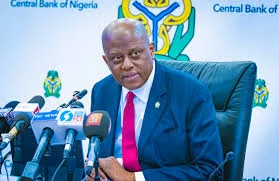
The Central Bank of Nigeria has introduced a new cash management framework that reshapes how people and businesses withdraw and deposit cash. The policy takes effect in January 2026. Individuals can now withdraw up to ₦500,000 per week across all channels. Corporate customers can withdraw up to ₦5 million within the same period. ATM withdrawals remain capped at ₦100,000 per day and count toward the weekly limit.

At the same time, the central bank has removed all caps on cash deposits. Anyone can now deposit any amount of naira without approval or extra fees. The regulator has also scrapped the old system that required banks to clear large withdrawals manually.

However, the policy introduces new charges for anyone who goes above the weekly allowance. Individuals will pay a 3 percent fee. Corporates will pay a 5 percent fee. CBN says banks must record these charges clearly and remit a portion to the regulator. Foreign embassies and donor agencies no longer hold special exemptions. Government bodies, microfinance banks and primary mortgage banks remain outside the limits.

Why The Policy Marks A Shift In Nigeria’s Cash Strategy

This move signals a change in how Nigeria wants people to use and manage cash. Regulators say the revisions reflect current economic realities and the high cost of processing physical currency. Removing deposit limits may help banks recover more liquidity and make it easier for informal businesses to document their earnings. Meanwhile, tighter control on withdrawals is meant to reduce money laundering risks and encourage more use of digital channels.

In an official notice published this week, the central bank said the framework was designed to “promote efficiency and strengthen the integrity of the financial system.” The message is clear. The regulator wants a cash-lite system that still gives room for genuine cash needs without creating loopholes.

Who Will Feel The Impact First

Everyday customers will need to plan their weekly withdrawals more carefully because large one-off cash transactions now attract charges. Small businesses that still rely heavily on cash may adjust payroll schedules and supplier payments to avoid extra fees. Banks will also have work to do. They must update their internal systems, track the new limits and report all excess charges to the central bank.

What Comes Next As The Framework Takes Effect

The policy becomes active in January. Banks will start customer sensitisation and roll out new compliance procedures. CBN says it will monitor adoption closely and may adjust parts of the framework based on feedback from financial institutions and users.

The early months will reveal how Nigerians adapt to a system that encourages deposits, restricts large cash withdrawals and leans more heavily on digital payments.


ADVERTISEMENT
Onyinye Moyosore

Onyinye Moyosore

Onyinye Moyosore is a tech writer at Techsoma, where she covers startups, digital infrastructure, and how technology reshapes everyday life...

Recommended For You

CBN’s New AI Mandate: How Nigeria’s Banks and Fintechs Must Automate AML by 2027
FinTech & Digital Money

CBN’s New AI Mandate: How Nigeria’s Banks and Fintechs Must Automate AML by 2027

by Onyinye Moyosore
March 13, 2026

Nigeria's financial world just got a major tech upgrade in the fight against dirty money. On 10 March 2026, the Central Bank of Nigeria (CBN) released new rules that require...

Read moreDetails
Prembly launches ‘FraudLens’ to help Nigerian banks and FinTechs stop financial crime

Prembly launches ‘FraudLens’ to help Nigerian banks and FinTechs stop financial crime

March 11, 2026
4 women in Fintech Nigeria Techsoma Feature

IWD 2026: Meet 4 Women Building Nigeria’s Biggest Fintechs

March 8, 2026
Official announcement post detailing the Flutterwave and Yango payment integration in Zambia

Flutterwave and Yango: The Strategic Play Behind Their Zambian Partnership

February 25, 2026
Quidax and Lisk

Quidax and Lisk Join Forces to Bring Blockchain Finance to Africa

February 24, 2026
Next Post
Paramount Africa Shuts Down Operations As BET Africa and MTV Base Leave DStv and GOtv

Paramount Africa Shuts Down Operations As BET Africa and MTV Base Leave DStv and GOtv

Nigeria Trains 3,600 Teachers To Drive Digital Literacy Push Into Classrooms

Nigeria Trains 3,600 Teachers To Drive Digital Literacy Push Into Classrooms

Leave a Reply Cancel reply

Your email address will not be published. Required fields are marked *

ADVERTISEMENT

Subscribe to our Newsletter

Recent News

AI Hallucinations

AI Hallucinations Are Getting Worse as Models Scale, and the Industry Has No Real Fix

March 13, 2026
2Africa subsea cable

Iran-Israel War and Houthi Attacks Halt Meta’s 2Africa Subsea Cable Project in the Persian Gulf

March 13, 2026
National Grid in Nigeria currently fails remote workers

Nigeria’s Power Crisis Forces Remote Workers to Spend Up to ₦13,000 Daily on Generator Fuel

March 13, 2026
CBN’s New AI Mandate: How Nigeria’s Banks and Fintechs Must Automate AML by 2027

CBN’s New AI Mandate: How Nigeria’s Banks and Fintechs Must Automate AML by 2027

March 13, 2026
UNIVEN and African Technology Forum Form a Powerful Alliance to Build Africa’s AI-Ready Generation

UNIVEN and African Technology Forum Form a Powerful Alliance to Build Africa’s AI-Ready Generation

March 13, 2026

Where Africa’s Tech Revolution Begins – Covering tech innovations, startups, and developments across Africa

Facebook X-twitter Instagram Linkedin

Quick Links

Advertise on Techsoma

Publish your Articles

T & C

Privacy Policy

© 2025 — Techsoma Africa. All Rights Reserved

Add New Playlist

No Result
View All Result

© 2026 JNews - Premium WordPress news & magazine theme by Jegtheme.