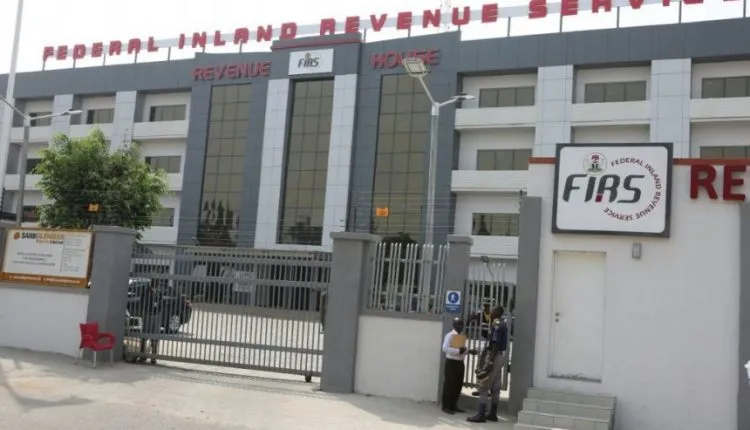
The Federal Inland Revenue Service (FIRS) is advancing its plan to implement real-time Value Added Tax (VAT) monitoring as part of its broader strategy to improve tax compliance and close Nigeria’s widening revenue gaps. The system, which is designed to track transactions at the point of sale, aims to ensure that businesses remit VAT promptly and accurately. FIRS argues that this approach will eliminate fraudulent reporting, reduce tax evasion, and give the government a clearer view of economic activities across key sectors. However, while the initiative is being lauded for its potential to increase revenue collection, it is equally facing mounting scrutiny over its potential impact on privacy and business autonomy.

How Real-Time VAT Monitoring Works
At its core, the real-time monitoring system relies on direct integration with business sales platforms, financial software, and point-of-sale systems. By doing so, the tax authority gains near-instant access to transaction data, allowing for more accurate calculations of VAT liabilities. While this level of oversight may improve compliance, critics warn that it could open the door to excessive government surveillance. Sensitive financial information could become vulnerable to misuse or unauthorized access if adequate safeguards are not in place. Questions have also been raised about the extent to which businesses will retain control over their own financial data once connected to the FIRS monitoring infrastructure.
Rising Privacy Concerns
Privacy advocates and industry groups are urging FIRS to clearly define how collected data will be stored, processed, and protected. In the absence of robust cybersecurity protocols and data privacy frameworks, the risk of leaks or exploitation of confidential business information remains high. Small and medium-sized enterprises (SMEs), which typically lack advanced IT security measures, are particularly exposed to these risks. For many business owners, the idea of granting continuous access to their internal financial operations feels invasive, raising concerns that the initiative could be less about tax collection and more about constant oversight.
Burden on Businesses
There are also worries about the operational burden this system may place on businesses. The cost of integrating with the real-time VAT monitoring platform, upgrading existing sales systems, and ensuring compatibility could strain companies already grappling with economic challenges. Some business leaders have questioned whether the government has provided sufficient infrastructure and support to ensure a smooth transition, particularly for smaller retailers and local enterprises that may lack technical expertise.
Global Lessons and Comparisons
Real-time VAT monitoring is not unique to Nigeria. Countries like Brazil, Italy, and Hungary have introduced similar systems, often with mixed results. In Brazil, for example, the real-time electronic invoicing system (Nota Fiscal Eletrônica) improved revenue collection but faced criticism over excessive bureaucracy and technical difficulties for smaller businesses. In Hungary, the introduction of live invoice reporting led to initial public backlash due to privacy concerns, forcing the government to tighten its data protection measures.
These global examples highlight a key lesson: while real-time monitoring can be effective in reducing tax evasion, it must be implemented alongside strong privacy protections, transparent governance, and technical support for businesses. Without these elements, the system risks being seen as intrusive and overly punitive rather than as a tool for fair tax enforcement.
Balancing Compliance with Privacy
Critics argue that the government must balance its quest for higher tax revenues with respect for data privacy and business rights. Clear policies on data protection, strict limits on access, and independent oversight mechanisms could help alleviate some of these fears. Without these measures, real-time VAT monitoring could easily be viewed as a form of economic surveillance rather than a fair and efficient tax reform.
While the objective of increasing tax compliance is important for Nigeria’s fiscal stability, the success of this initiative will depend on how well FIRS addresses these concerns. Unless the agency can demonstrate that privacy and security are central to the system’s design, skepticism will likely continue to overshadow what could otherwise be a transformative step in modernizing Nigeria’s tax administration. More information on how this reform affects you and your startup can be found in an earlier article: Dear Nigerian Tech Founder, Here’s How the 2025 Tax Reform Acts Could Affect You and Your Startup