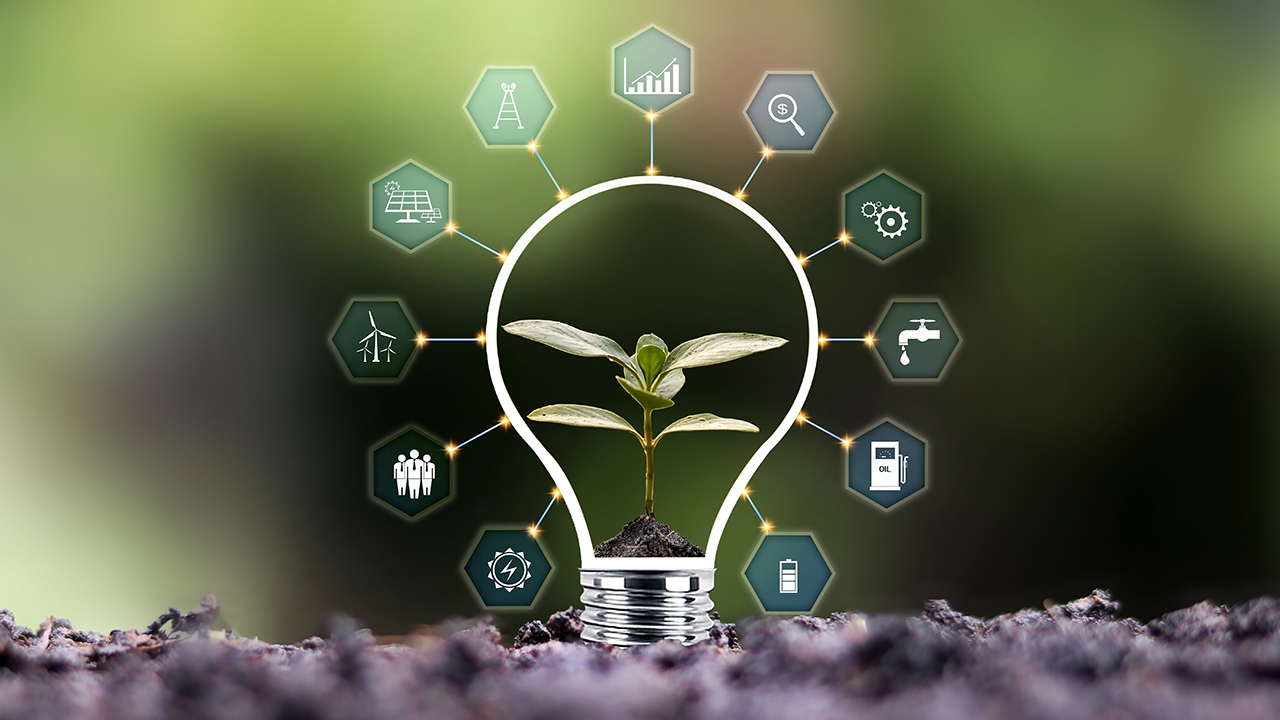
Ghana is building something unique in West Africa. The country is using smart policies to create a place where green technology companies can grow and succeed. This isn’t just about following trends but Ghana is making real changes that help both the environment and the economy.

The results speak for themselves. Ghana now provides electricity to 86% of its people, one of the highest rates in sub-Saharan Africa. The country operates West Africa’s largest floating solar project and has solar farms in the North that produce up to 50 megawatts of power. These aren’t small steps – they’re major moves toward a cleaner future.
The Green Energy Push
Ghana has set a bold target to increase renewable energy from just 1% to 10% by 2030. The government isn’t just talking about this goal but they’re taking action. Under the Drive Electric initiative, officials have created a roadmap for electric vehicles and set standards for charging stations and vehicle rules.
The approach is working because it makes economic sense. As Erik Nygard, CEO of Kofa, an energy startup in Ghana, explains: “We can offer our battery-swapping service, which is cheaper than a petrol motorcycle. So, we create an economic benefit for the user right away.”
This focus on cost savings is smart. In many parts of Africa, people can’t afford to buy products just because they help the environment. Ghana’s policies make green technology cheaper, which drives adoption naturally.
In November 2024, Ghana made history by launching its first batch of electric buses under Metro Mass Transit Limited. The government plans to purchase about 100 electric buses by the end of 2024, showing their commitment to electric transportation.
Digital Economy Foundation
Ghana launched its Digital Economy Policy and Strategy in November 2024, which marks a major milestone in the country’s tech development. Minister Ursula Owusu-Ekuful said access to digital technologies is “no longer a luxury for the privileged few but a human right for all”.
The government has built a high-speed network connecting 951 public institutions, backed by 3,500 kilometers of fiber optic cables laid in 2023. This infrastructure creates the foundation for digital services and helps bridge the digital divide.
The policy focuses on five key areas: entrepreneurship, digital skills, digital government, universal access, and emerging technologies. These areas work together to strengthen Ghana’s economy and create opportunities for both individuals and businesses.
Supporting Startups and Innovation
The National Entrepreneurship and Innovation Programme (NEIP) shows how government support can transform a country’s business landscape. By the end of 2023, NEIP had helped create 103,871 jobs and supported thousands of young entrepreneurs.
Ghana’s startup ecosystem raised $121 million in 2024, representing a 95% increase from the previous year. This growth shows that investors are paying attention to Ghana’s supportive policies and growing tech sector.
The government is also working on a Ghana Innovation and Startups Act to create an even better environment for new businesses. This proposed law would provide tax incentives and other benefits to help startups grow.
Making It Easy to Do Business
One of Ghana’s biggest advantages is how easy it is to start and run a green technology business. Companies can get approvals without facing major bureaucratic problems. To set up battery-swapping stations, for example, companies need to inform the Energy Commission about locations, tell local assemblies, and get certificates from the fire service. The process is straightforward and predictable.
Ghana has also created tax incentives for certain imports, like electric buses. Companies can import these vehicles with reduced costs, which sends a clear message that the government supports green technology.
The Economic Logic
Ghana’s approach works because it makes business sense. The country doesn’t ask people to pay more for green technology just to help the environment. Instead, the policies make green options cheaper and more practical.
For African countries looking to build similar programs, Ghana’s example offers clear lessons. The most effective step is to reduce import duties on electric vehicles and batteries. Even a temporary reduction for three to five years can attract investors and make green technology more affordable.
Looking Ahead
Ghana’s policies create a foundation for long-term growth. The combination of renewable energy infrastructure, supportive business policies, and digital government services makes the country attractive to investors and entrepreneurs.
The government is now developing a national AI strategy as part of its broader digital transformation agenda. This shows Ghana isn’t just following current trends – they’re preparing for future opportunities in technology.
Ghana has also announced plans to invest $50 million from the Fintech Development Fund into local startups, showing continued government commitment to supporting innovation.
Challenges and Solutions
Not everything has worked perfectly. Ghana’s Digital Property Addressing System faced adoption challenges, with only 68% of property owners likely to use it. This experience taught valuable lessons about the importance of user education and making sure digital solutions solve real problems for people.
The key is learning from both successes and failures. Ghana’s leaders have shown they can adapt policies based on what works in practice, not just what looks good on paper.
Ghana is proving that developing countries can lead in green technology and digital innovation. The country’s success comes from combining practical policies, economic incentives, and infrastructure investment. This approach creates real opportunities for businesses while building a more sustainable future.