
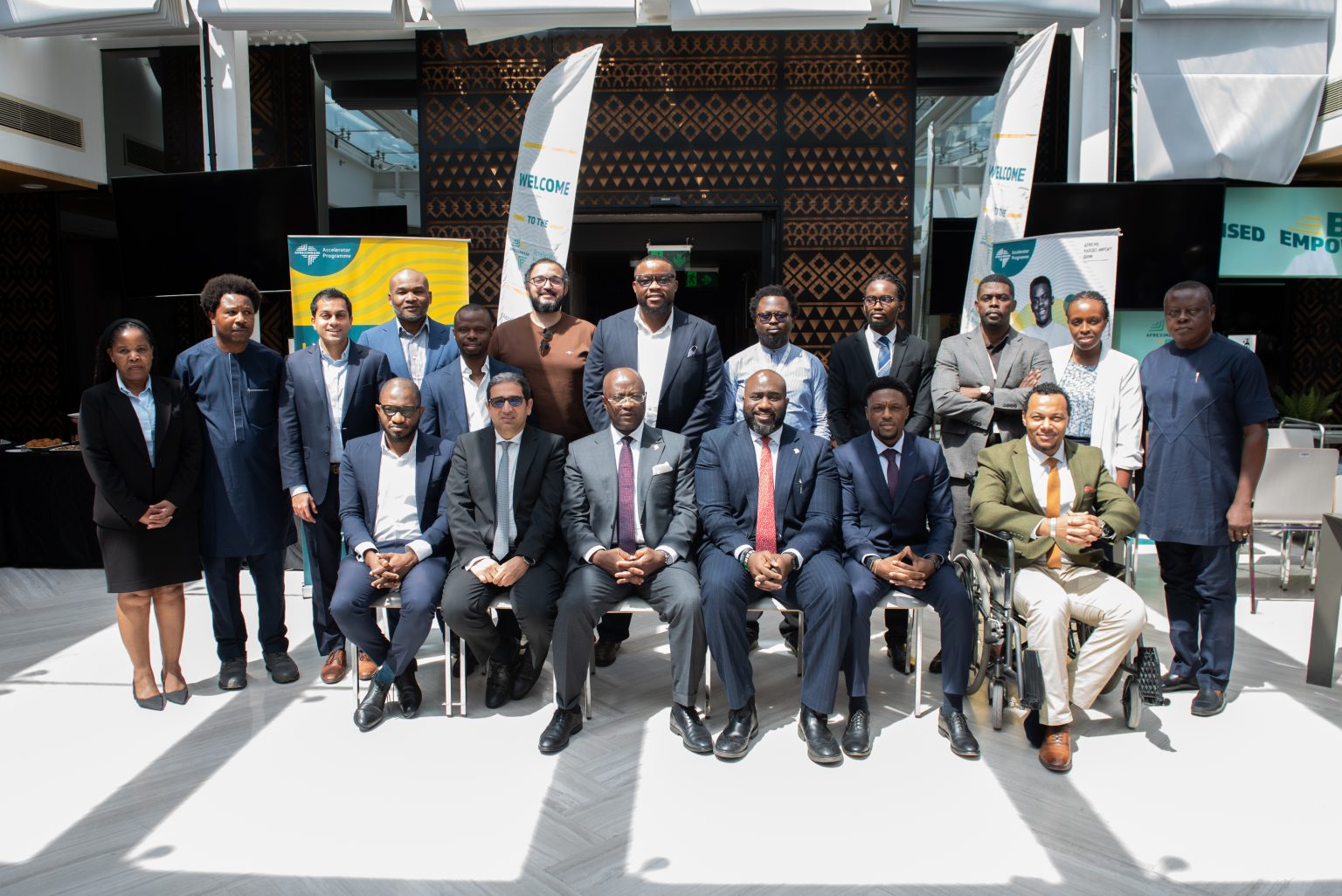
The African Export-Import Bank (Afreximbank) officially launched the inaugural cohort of its Accelerator Programme this week, bringing together eight high-potential startups from across Africa and the diaspora for an intensive kick-off week at its headquarters in Cairo, Egypt. The kick-off week runs from 23 to 27 March 2026, featuring high-level engagements with the Bank’s leadership, industry experts, mentors and ecosystem partners, and will culminate in an exclusive Social Mixer at the Grand Egyptian Museum.

The timing is deliberate. Africa has had a free trade agreement on paper since 2021. What it has not had is the digital infrastructure to make it work in practice. That is exactly what this programme is trying to build.
What Is The AfCFTA and Why Does It Matter
The African Continental Free Trade Area, known as AfCFTA, is a landmark agreement signed by 54 African countries that aims to create a single continental market — allowing goods, services, and people to move across borders with fewer barriers and lower tariffs. The vision is straightforward: African countries trading more with each other rather than routing commerce through Europe or America.
The problem is that signing an agreement and actually trading are two different things. Cross-border payments across Africa remain fragmented. Logistics systems are disconnected. Trade finance is difficult to access for small businesses. The startups in this cohort are building solutions to those exact problems.
The Startups Selected
The eight startups were selected from a highly competitive pool of over 1,600 applications, representing innovations across cross-border payments, digital logistics, agri-export platforms, AI-powered enterprise solutions, supply chain finance and diaspora investment mobilisation.
The full cohort includes Fincart.io of Egypt; OnePort 365, which operates in Nigeria, Ghana and Kenya; Timon, a pan-African entity active in 15 countries; Zowasel, active in Nigeria, Kenya and Tanzania; Gebeya, which is both Ethiopian and pan-African; Fluna, active across 10 countries; Capsa Technologies of Nigeria; and Daba Finance, whose operations cover Francophone Africa.
Two Nigerian startups made the cut. Capsa Technologies, which has already processed over NGN70 billion in supply chain finance, and OnePort 365, a logistics platform connecting Nigerian ports to regional trade networks. Their inclusion signals that Nigeria’s position as a hub for African trade tech is being taken seriously at the continental level.
What The Selected Startups Get
Qualifying startups will be supported with investment of up to $250,000, subject to standard investment criteria and due diligence, complemented by mentorship, market access, and strategic partnerships designed to accelerate their expansion across Africa.
Beyond the money, the more significant offering is access. Afreximbank operates one of the most extensive trade networks on the continent, with relationships spanning governments, financial institutions, and private sector partners across Africa. For early-stage startups trying to navigate regulatory environments and market entry across multiple African countries, that network is arguably worth more than the cheque.
The programme also offers integration pathways into Afreximbank’s digital trade ecosystem, including the Africa Trade Gateway and the Pan-African Payments and Settlement System, known as PAPSS — the payment infrastructure adopted by the African Union to underpin AfCFTA implementation.
Why This Is Significant
Most accelerator programmes targeting African startups are run by Western institutions or global venture firms. This one is different. Afreximbank is an African institution, funded by African governments and development partners, with a mandate specifically tied to growing African trade. The startups it backs are not being groomed for a Silicon Valley exit. They are being positioned to solve continental problems at continental scale.
Speaking at the Cairo kick-off, Haytham Elmaayergi, Executive Vice President of the Global Trade Bank at Afreximbank, set the tone plainly: “Today, we move from promise to execution, because we understand a fundamental truth: trade does not happen by declaration.”
Collectively, the eight startups in this cohort already operate across more than 15 African countries, spanning key trade corridors in West, East, North and Southern Africa. The infrastructure for African trade is being built. This programme is one more piece of it.
Sources: Afreximbank official press release