
For Nigeria’s growing class of remote workers, the promise of flexible, location-independent employment is running headlong into an old, familiar wall: the lights keep going out.
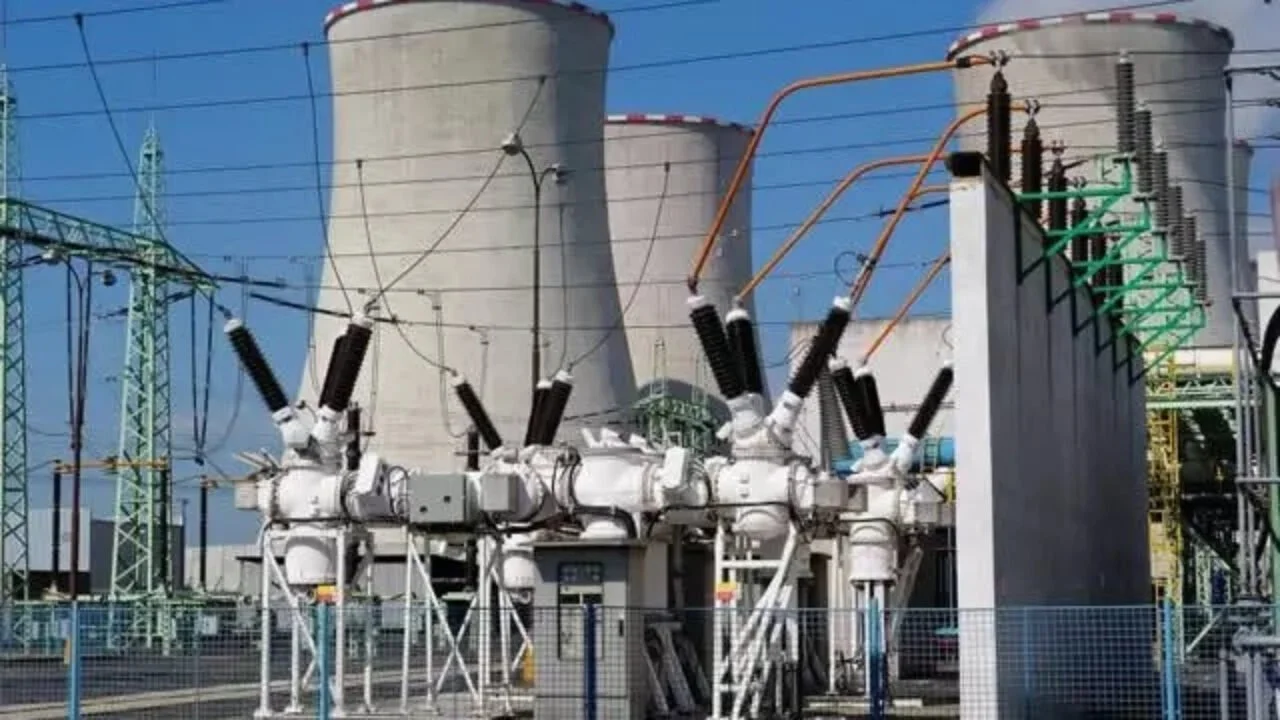
As of early March 2026, Nigeria’s electricity generation fell to 3,940 megawatts following a persistent natural gas shortage that forced several thermal power plants to cut output, pushing an already strained grid further toward collapse. For remote workers who depend on stable power to meet deadlines and hold video calls, the timing could hardly be worse.
Fuel Bills That Keep Climbing
With the national grid unreliable, generators remain the default backup for the vast majority of Nigerian households. About 84% of urban households rely on generators for backup power, and the cost of running them is rising fast. Petrol prices have climbed from around ₦1,000 to as high as ₦1,300 per litre, and workers are feeling every naira of that increase.
One Lagos-based remote worker reported that filling his two 25-litre jerrycans cost ₦40,000 in February 2026. By March, the same amount had risen to ₦54,000, a 35% jump in just a few weeks. In Benin City, a game developer working remotely spends between ₦10,000 and ₦13,000 daily running his generator overnight and during afternoon meetings, adding up to as much as ₦390,000 a month on fuel alone.
These are not edge cases. They represent a structural cost that Nigerian remote workers are forced to absorb entirely on their own.
A Grid That Has Never Kept Up
Nigeria’s average daily power supply sits at roughly four hours, and several days can pass without any electricity at all. This is a reality that makes remote work a logistical challenge rather than a lifestyle benefit. Power outages are estimated to cost the Nigerian economy around $29 billion annually.
The grid’s structural fragility compounds the problem. Feeders in one surveyed southwestern Nigerian city experienced an average of 640 outages per year, meaning residents went without power approximately 40% of the time. Under the country’s service-based tariff regime, those in lower-income areas are deprioritised for supply, meaning the workers who can least afford backup power solutions are also the ones receiving the fewest grid hours.
Remote Work Growth Outpacing Infrastructure
Despite the obstacles, remote work in Nigeria is expanding. About 17% of Nigerian jobs are now fully remote, and the country’s remote workforce is projected to grow to over 50% in the next decade. Developers, writers, designers, and digital professionals are increasingly connecting with international employers, often earning in foreign currency. But that opportunity is contingent on being able to work, and staying connected costs money that not everyone has.
The situation points to a structural problem with remote work as a viable option in Nigeria. Not everyone can afford to work from cafés or sustain constant alternative power arrangements, making remote work less accessible for many despite its apparent promise.
The government has announced steps to address the underlying issues, including clearing payment arrears owed to power-generating companies and progress on the long-delayed Ajaokuta-Kaduna gas pipeline. But for workers currently spending hundreds of thousands of naira monthly just to stay online, those measures offer no immediate relief. The options remain unchanged: spend more on fuel, find a coworking space, or risk missing a deadline.