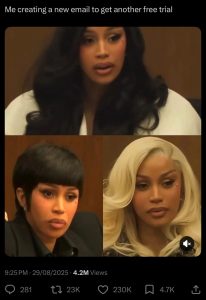
It’s not an isolated user behavior; it’s a full-on movement.
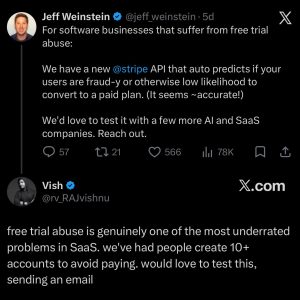
On X, threads erupt weekly where people are confessing to burner email strategies, Gmail hacks for Notion, Figma, Midjourney, or even something as simple as Todoist. Founders are complaining about multi-account abuse warping their metrics or requiring manual account bans.
Welcome to 2026 – the year the traditional seat-based subscription business model finally started to break under its own weight.
The Numbers Don’t Lie; But It’s Not Total Collapse
Five Reasons the Old Model Is Cracking
- Burner-email culture broke trust: Users exploit free trials with burner emails or +tricks, as seen in countless X threads from frustrated founders and confessing users. Companies bleed early revenue when trials become indefinite rentals.

- AI agents ate the seats: Microsoft CEO Satya Nadella noted in the BG2 Podcast interview that traditional business applications — essentially CRUD databases with logic — are where “they’ll all collapse” in the agent era, as AI handles execution. Customers slash seats and negotiate hard.
- Fatigue + tool sprawl: With 41% citing fatigue and enterprises overwhelmed by dozens of tools, cancellations rise fast.
- Pricing misalignment: Seat-based models are losing ground; usage-based and hybrid pricing have surged, with 85% of surveyed SaaS companies adopting usage-based elements and 77% of the largest incorporating consumption pricing.
- Build > buy accelerating: 35% of teams have already replaced at least one SaaS tool with a custom or AI-built solution, and 78% plan to build more internal tools in 2026.
SaaS Isn’t Dead, The Lazy Seat Model Is
Alternatives Gaining Traction in 2026
- Usage/consumption-based: Tools like Snowflake or OpenAI charge for actual usage (tokens, API calls, tasks). Metronome data shows this mainstream, especially among large enterprises for transparent scaling.
- Outcome-based: Pay per result (e.g., resolved ticket, generated brief). Emerging fast in AI-native verticals.

- Open-source/self-hosted: Cal.com (Calendly alternative), n8n (Zapier), Plausible (Google analytics). Zero recurring fees, full control, thriving communities.
- Hybrid/one-time/lifetime: Lifetime deals or true freemium that builds daily habits (Notion’s free tier survives because it’s indispensable).
- In-house AI-powered builds: Retool’s survey highlights momentum: mid-level devs + agents replace expensive SaaS at fraction of cost.

What Should You Do?
Founders:
- Consider credit-card trials (some have seen 5x+ paid conversion boosts).
- Consider usage-based pricing to better align with true value.
- Focus on daily recurring utility so users can’t replicate or leave easily
Bottom Line
Seat-subscription isn’t dead; it’s been put on notice. Trial hackers, agent compression, and fatigue are pushing it to evolve. Over the next decade, software that’s fairly priced, has clear value, and is easily adaptable will be the way to go. Whether it’s usage-based, open-source, results-driven, or a combination of the three, the future is clear.
The market is listening. It’s time to build or buy accordingly.